
Your child isn’t walking as soon as others, seems a bit weaker, or trips more than you’d expect. You start noticing all these signs.
When these things happen together, doctors recommend genetic testing for muscular dystrophy to figure out what’s going on.
Muscular dystrophy is a genetic condition that causes muscles to weaken over time. Genetic testing lets doctors spot the specific gene change causing the problem. It doesn’t just confirm the diagnosis. It also helps shape the treatment plan and tells families what to expect down the road.
If this is your first time hearing about genetic testing, you might feel a bit lost. Don’t worry. Up ahead, you’ll find out what genetic testing actually means, when doctors usually bring it up, how the process works, and why it matters for your child and your family.
What is Muscular Dystrophy?

Muscular dystrophy isn’t one condition. It’s a group of inherited disorders that slowly make muscles weaker over time. These problems start because of changes in certain genes that keep muscles healthy.
There’s not just one kind, either. Duchenne, Becker, limb-girdle, and myotonic: each type hits muscles a little differently.
When doctors identify that someone has muscular dystrophy, they usually start with a simple physical exam, some questions about family history, and blood tests to look at muscle enzymes. But genetic testing really seals the deal. It pinpoints the exact gene that’s causing trouble, so doctors can confirm what’s going on and figure out which type you’re dealing with.
Want to know more about what muscular dystrophy looks like, what causes it, or how people treat it? Check out our detailed blog on muscular dystrophy.
What is Genetic Testing for Muscular Dystrophy?
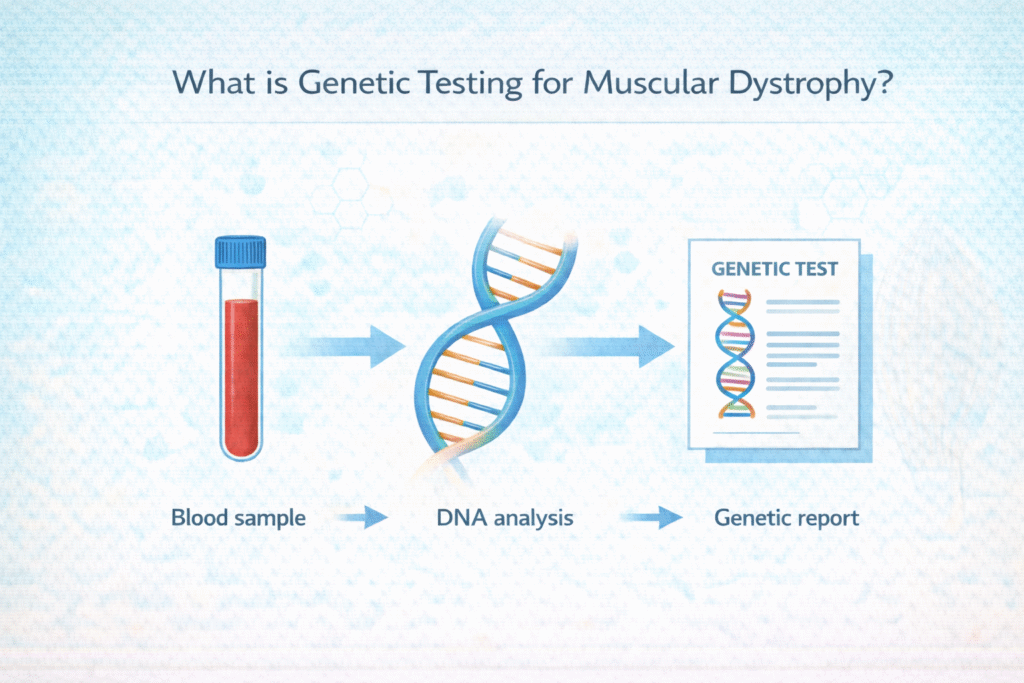
Genetic testing for muscular dystrophy checks for mutations in the genes that cause different forms of the disease. These mutations impact how muscle cells work and heal, which leads to muscle weakness that gets worse over time.
Doctors usually use a blood sample for the muscular dystrophy genetic test, or sometimes just saliva, for the test. They send the sample to a lab, where specialists look closely at the genes linked to muscular dystrophy.
This testing helps understand the type of MD a person has (it can be Duchenne, Becker muscular dystrophy, or any type). Knowing which type the patient has is extremely important, since different types can look different, and what works for one might not work for another.
Once they know the type, doctors can put together the right care plan and keep a closer eye on the condition, as it is a progressive disorder. The results also come in handy for family members, since they show who else might carry the same gene change.
When is Genetic Testing Recommended?
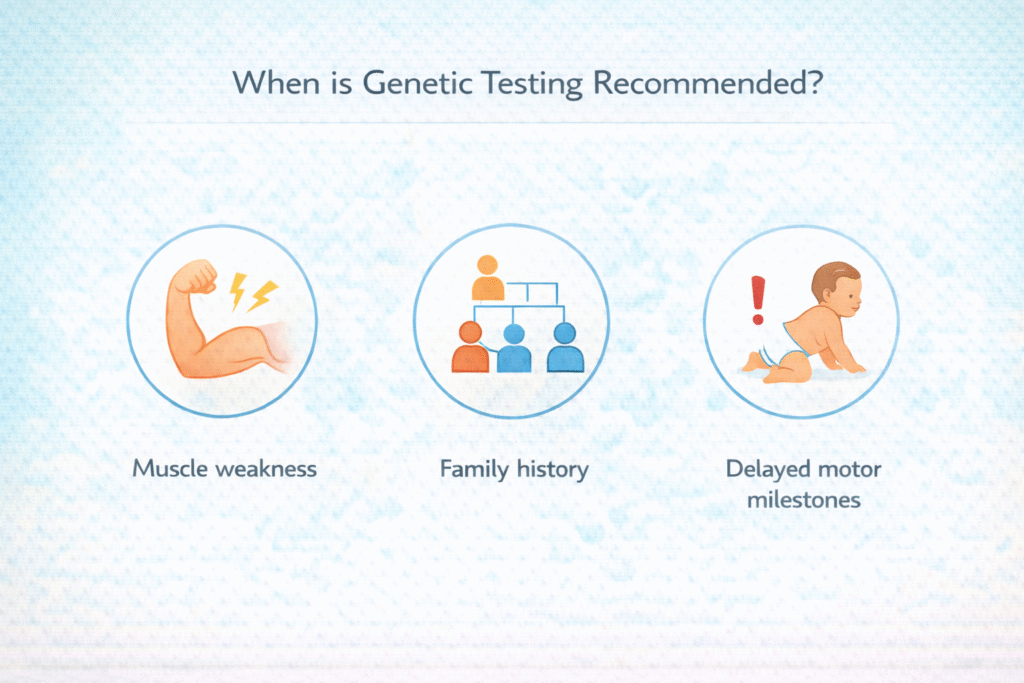
Doctors don’t mostly order tests just for the sake of it. They look for a clear reason, such as certain symptoms, family history, or odd test results, before recommending a genetic test for muscular dystrophy. Spotting these early warning signs helps them figure out when genetic testing actually makes sense.
When kids start showing signs of muscle weakness, that’s when testing comes up. Maybe a child isn’t walking as soon as expected, falls a lot, struggles with stairs, or just seems weaker than other kids during normal activities.
When these signs and symptoms start showing up together, doctors start thinking about conditions like Duchenne or Becker muscular dystrophy and may prescribe genetic testing.
Family history is another important factor. If muscular dystrophy runs in your family, doctors sometimes recommend testing even before anyone shows symptoms. In these cases, siblings, parents, or other relatives might get tested to see if they carry the same genetic change.
Occasionally, a routine blood test catches something off: high creatine kinase (CK) levels. CK is an enzyme that spills into the blood when muscle cells get damaged.
High CK doesn’t automatically mean muscular dystrophy, but it’s a red flag. Most doctors use it as a reason to dig deeper with genetic testing and figure out what’s going on.
Why Genetic Testing is Important
Genetic testing for muscular dystrophy is important in confirming the condition and also to guide what long-term medical care the person needs.
Muscular dystrophy covers a group of inherited disorders, and each one comes from changes in specific genes. Finding the exact mutation gives doctors a much clearer picture, so they can nail down the diagnosis, plan out treatments, and help families understand what’s ahead.
Confirming The Diagnosis
Guiding Treatment Decisions
Planning Long-Term Care
Family Planning & Carrier Testing
Genetic Testing for Duchenne Muscular Dystrophy
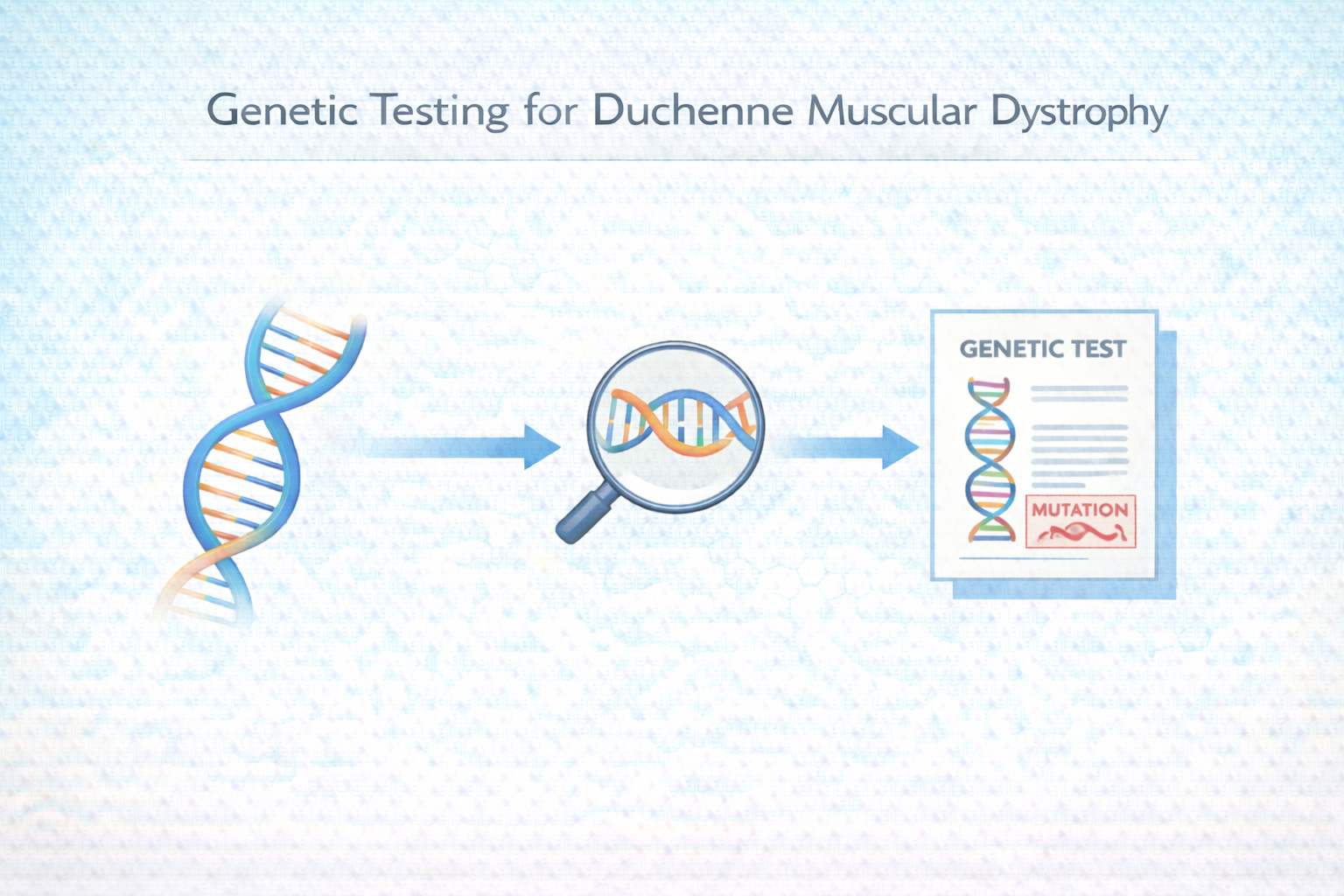
Genetic testing helps find out if someone has duchenne muscular dystrophy and start the treatment accordingly. DMD is the most common kind of muscular dystrophy that children get. It affects boys, and its signs show up when they’re young.
This disease happens because of changes in the dystrophin gene. That gene makes dystrophin, which is a protein that muscles depend on for strength. When you run a genetic test, you can spot these gene mutations and know for sure if a child has DMD.
Catching this early makes a difference because it helps the doctors keep a tab on the child’s signs and symptoms and use supportive therapies to help them live a better and more comfortable life.
Doctors also prescribe physiotherapy, certain medications, regular heart and lung checks, and other treatments that help slow down the progression so the child lives with strengthened muscles and a better quality of life for a longer period of time.
On top of that, knowing the genetic details helps families understand how DMD is inherited. It can also help them figure out if other relatives might be carriers or at risk.
Carrier Testing for Muscular Dystrophy
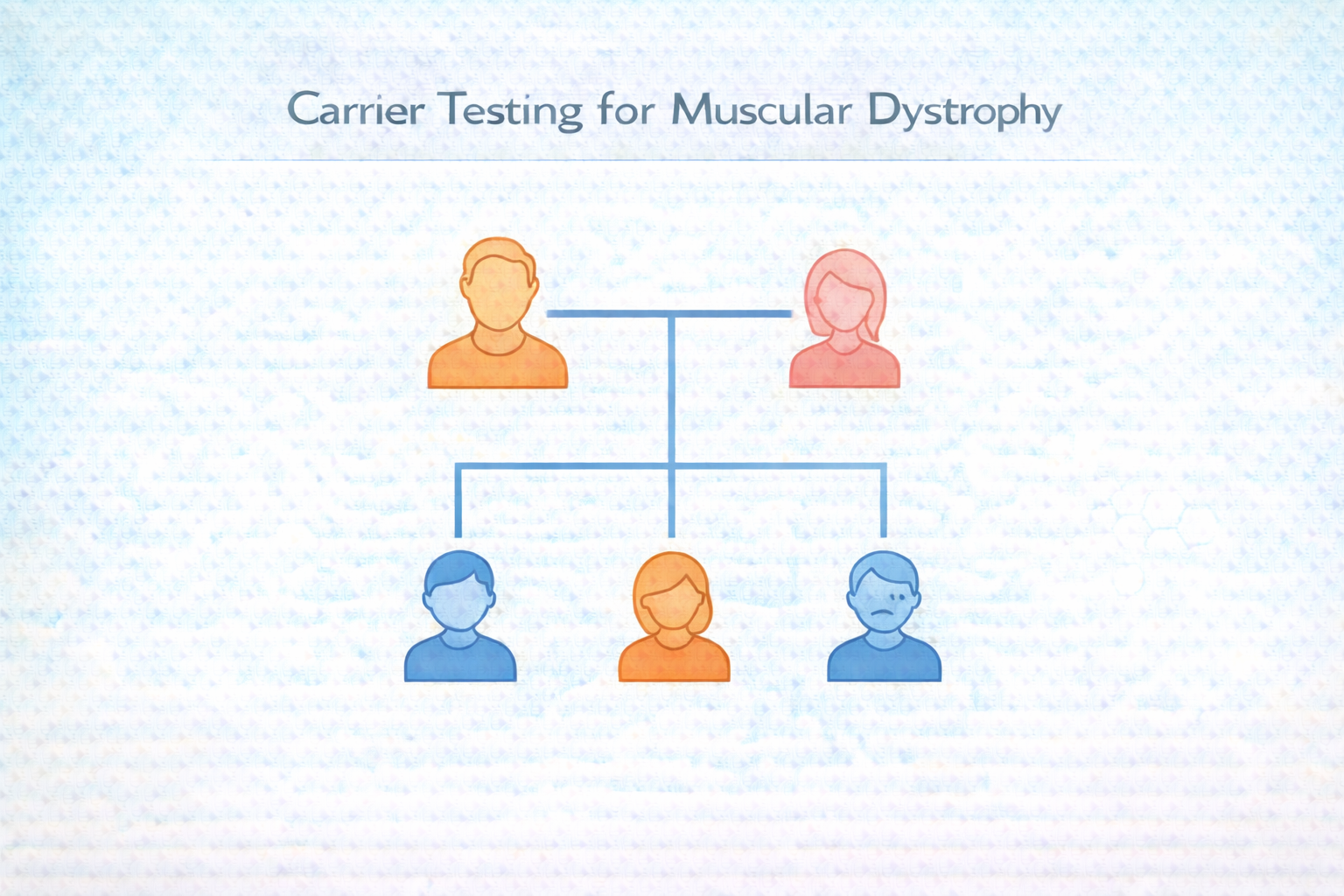
Carrier testing for muscular dystrophy spots people who carry the gene for the disease, even if they don’t have any symptoms. The result matters a lot in families where someone already has muscular dystrophy, since it is usually inherited.
Mothers, sisters, or other relatives may carry the gene and pass it on, even if they don’t have symptoms such as muscle weakness or difficulty moving. A quick blood test can reveal if someone’s a carrier, even if everything seems normal.
Knowing if you’re a carrier makes a big difference in planning a family. You get a clearer picture of your chances of passing the gene to your children, and you can think about your options.
Genetic information can get complicated quickly, so most people consult a genetic counselor before and after the test. The counselor breaks down what the results mean, explains how the gene travels through families, and helps you figure out your next steps.
Prenatal and Family Genetic Testing
If anyone in your family has MD, you probably want to know the odds of passing it on to your children. That’s where prenatal and family genetic testing step in. These tests give you real answers about whether your baby’s likely to inherit a gene mutation tied to muscular dystrophy.
Prenatal Testing During Pregnancy
Genetic Counseling
Screening Options for Families with a History of Muscular Dystrophy
What Happens During the Genetic Testing Process?
During genetic testing for muscular dystrophy, doctors follow many structured steps. These steps help make sure the test is accurate and that patients and families fully understand the results. Let’s break it down.
Consultation with a Neurologist or Genetic Specialist
Blood or Saliva Sample Collection
Laboratory DNA Analysis
Results Discussion and Genetic Counseling
Limitations of Genetic Testing
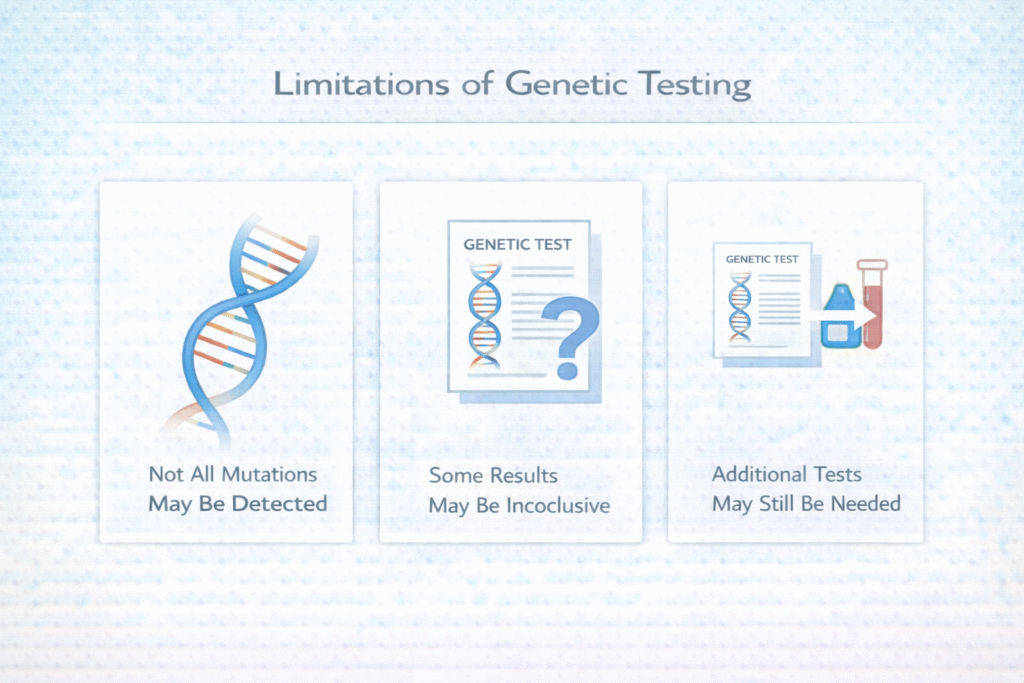
Genetic testing is important in diagnosing muscular dystrophy, but it’s not flawless. Knowing what it can and can’t do helps patients and families know what to expect from the results.
1. Not All Mutations May Be Detected
Genetic tests today catch a lot of the mutations linked to muscular dystrophy, but not every single one. Some rare or brand-new mutations just aren’t on the radar yet. So, even if the test comes back negative, that doesn’t always mean you’re in the clear.
2. Some Results May Be Inconclusive
Sometimes, the results aren’t black and white. The test might turn up a genetic change, but no one’s sure what it means. These are called variants of uncertain significance, or VUS. Basically, doctors can’t say for sure if this change causes the disease. You might need more testing or have family members tested to figure things out.
3. Additional Tests May Still Be Needed
And even after genetic testing, that might not be the end of the road. Doctors often order other tests, like muscle biopsies, MRIs, or other checks, to get the full picture and see how the muscles are doing.
That’s why doctors don’t look at genetic test results alone. They take your symptoms, medical history, and other test results into account to make the most accurate diagnosis possible.
Final Takeaway

Genetic testing is important for diagnosing muscular dystrophy. Instead of guessing, doctors can pinpoint the exact gene mutation, figure out what type of muscular dystrophy someone has, and come up with a treatment plan that fits you or your loved one.
Early detection is important, too. Once a diagnosis is clear, doctors can start checking on things like muscle strength, heart health, breathing, and movement right away.
Early establishment of support, therapies, and plans significantly benefits you and your family.
There’s more to it than just the patient, too. Genetic testing can show who else in the family carries the gene, help parents see the risks for future kids, and make family planning feel a little less overwhelming. Genetic counseling turns all that information into real, practical advice.
Sure, sometimes you need a few extra tests, and it’s not perfect. But it’s still one of the best ways to get answers about muscular dystrophy.
With the right doctors guiding the way, families get the clarity they need and can move forward with more confidence.
If your child is showing signs of muscle weakness or there is a family history of Muscular Dystrophy, getting the right medical guidance early can make a meaningful difference. Genetic testing can help clarify the diagnosis, guide treatment decisions, and give your family a clearer understanding of what steps to take next.
Speaking with a specialist can help you understand whether genetic testing is appropriate and what options are available for your child or family.
Frequently Asked Questions (FAQs):
Q1. Can genetic testing confirm muscular dystrophy?
A. Yes, genetic testing can confirm muscular dystrophy by identifying specific gene mutations responsible for the condition. While doctors may initially suspect muscular dystrophy based on symptoms and clinical examination, genetic testing provides definitive confirmation and helps determine the exact type of muscular dystrophy.
Q2. How is muscular dystrophy diagnosed?
A. Muscular dystrophy is typically diagnosed using a combination of clinical evaluation and diagnostic tests. Doctors assess symptoms such as muscle weakness and delayed motor milestones, review family history, and perform blood tests to check creatine kinase (CK) levels. Genetic testing is often used to confirm the diagnosis and identify the specific form of muscular dystrophy.
Q3. How long does genetic testing take?
A. The time required for genetic testing can vary depending on the type of test and laboratory processing time. In most cases, results may take anywhere from a few weeks to several weeks. Your doctor can provide a more accurate timeline based on the specific test being performed.
Q4. Is genetic testing painful?
A. Genetic testing is usually not painful. Most tests only require a simple blood sample or sometimes a saliva sample. The process is quick and generally well tolerated, even by children.
Q5. What test is used for muscular dystrophy diagnosis?
A. A muscular dystrophy diagnosis test usually involves several evaluations to confirm the condition and identify its type. Doctors often begin with a blood test to check creatine kinase (CK) levels, which may indicate muscle damage. If CK levels are high, genetic testing is typically recommended to detect specific gene mutations linked to muscular dystrophy. In some cases, additional tests such as electromyography (EMG), muscle biopsy, or MRI scans may be used to assess muscle health and support the diagnosis.
Q6. When should someone be tested for muscular dystrophy?
A. Testing for muscular dystrophy is usually recommended when there are signs such as delayed motor milestones, frequent falls, difficulty climbing stairs, or progressive muscle weakness. Doctors may also suggest testing if there is a family history of muscular dystrophy or if blood tests show elevated creatine kinase (CK) levels. Early testing can help confirm the diagnosis and guide appropriate care and management.
Q7. What is the cost of genetic testing for muscular dystrophy in India?
A. In India, the cost of a genetic test for muscular dystrophy can vary depending on the type of test, the number of genes analyzed, and the laboratory performing the test. On average, a targeted genetic test for conditions like Duchenne or limb-girdle muscular dystrophy may cost around ₹14,000 to ₹20,000, while more comprehensive genetic panels or sequencing tests can range from ₹20,000 to ₹50,000 or more.
The final price may also depend on factors such as the testing technology used, genetic counseling services, and the city or diagnostic center. In some cases, government hospitals or research programs may offer subsidized testing for eligible patients.
References
Relevant Articles For You
Duchenne vs Becker Muscular Dystrophy
As a parent, you want to see your child engage in normal activities like climbing stairs, running, or even…..Read More
Early Signs of Muscular Dystrophy
It is hard to watch your child struggle with everyday activities like climbing stairs, running, or even standing up while…..Read More
Recommendations To Understand Different Treatments
Combination Therapy for MD
Muscular dystrophy affects every patient differently. So we don’t believe in single-track treatments. Our approach blends…..Read More
Stem Cell Therapy for MD
Stem cell therapy is part of regenerative medicine. It focuses on renewing and replacing damaged cells, tissues, and…..Read More
Homeopathy for MD
In homeopathy, muscular dystrophy isn’t just seen as a condition affecting the muscles; it’s viewed as a sign of…..Read More
Ayurveda for MD
In Ayurveda, muscular dystrophy is associated with ‘Mamsa Dhatvagnimandya’ (poor metabolic activity in muscle tissues) and…..Read More
Medically Reviewed by MedicoExperts Editorial & Clinical Review Board on 16 March 2026
Medical Disclaimer: This content is for informational purposes only and is not intended as medical advice, diagnosis, or treatment. Always seek the advice of your physician or other qualified healthcare provider regarding any medical condition or dietary needs.