
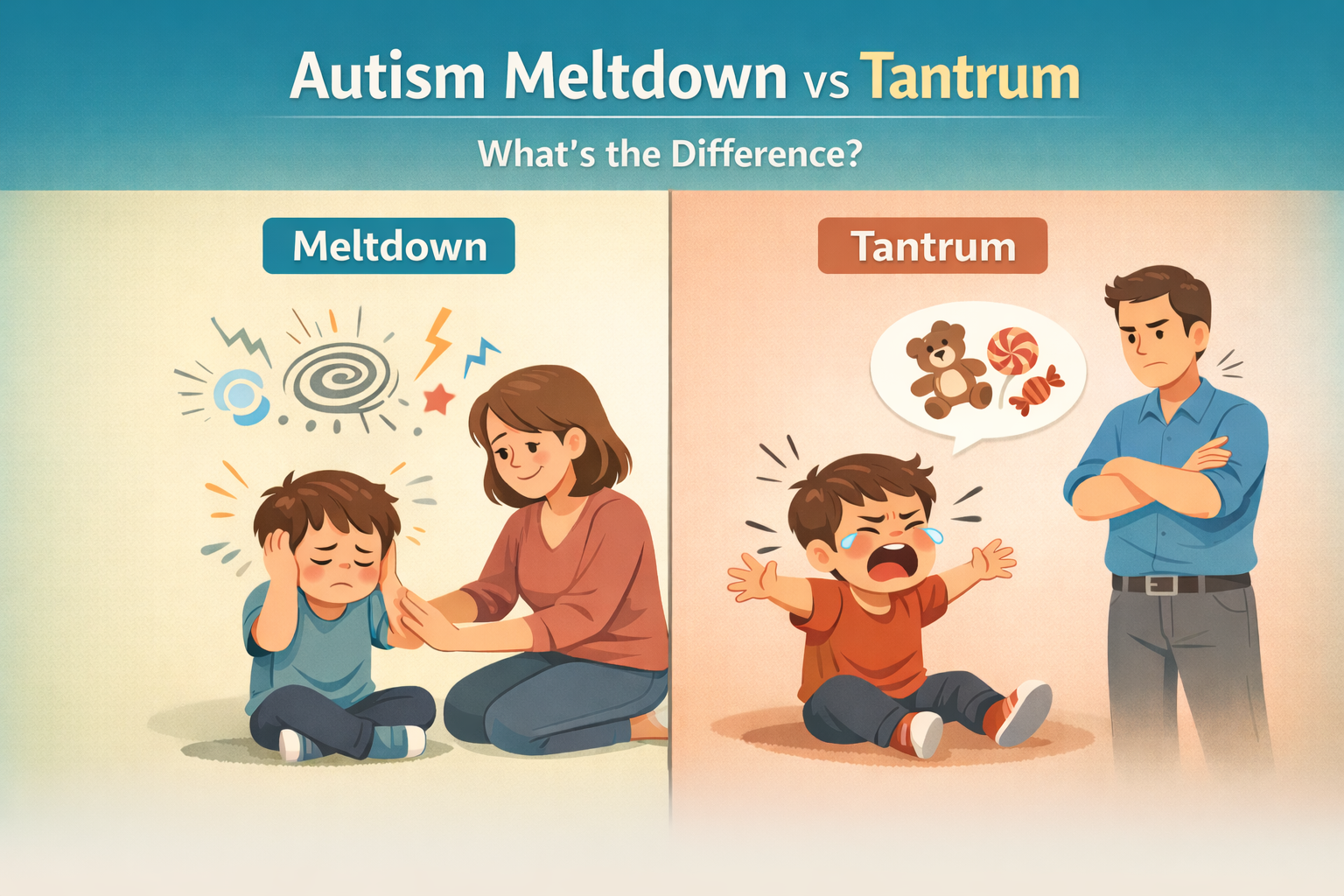
You’re in the supermarket, just trying to get through your list, when suddenly your child drops to the floor and starts wailing. Maybe there’s kicking. Maybe fists hit the tiles. People stare.
In that moment, you can’t help but think, “Am I dealing with an autism meltdown, or is this just a tantrum?” Is my kid trying to get their way, or are they just totally overwhelmed?”
Autism meltdown vs. tantrum is tough to tell. On the outside, meltdowns and tantrums can look almost identical.
Your child might scream, cry, or refuse to budge, no matter what you say. But the truth is, what’s going on inside is completely different.
Knowing that difference changes how you handle things. It shapes how you comfort your child, how you talk to them, and how you get through the rest of your day together.
So let’s get into it. We’ll talk about what actually defines an autism meltdown, what makes a tantrum a tantrum, how to tell the two apart, what usually sets off a meltdown, and, most importantly, what you can do, right there in the middle of the aisle, to help your child (and yourself) get through it.
Key Takeaways
Here’s what matters:
- Meltdowns aren’t a choice. Children hit a wall when too much sensory input or emotion floods in, and they just lose it. They are not intentional
- Tantrums are different. They usually come from wanting something like more attention, a favorite toy, or just a change in what’s happening.
- If you spot the triggers early, like certain noises, feelings, or changes in routine, you get a head start on avoiding bigger problems.
- Maintaining composure is crucial. When parents keep their cool, everyone gets through those rough patches a little easier.
Autism Meltdown vs Tantrum: The Key Difference
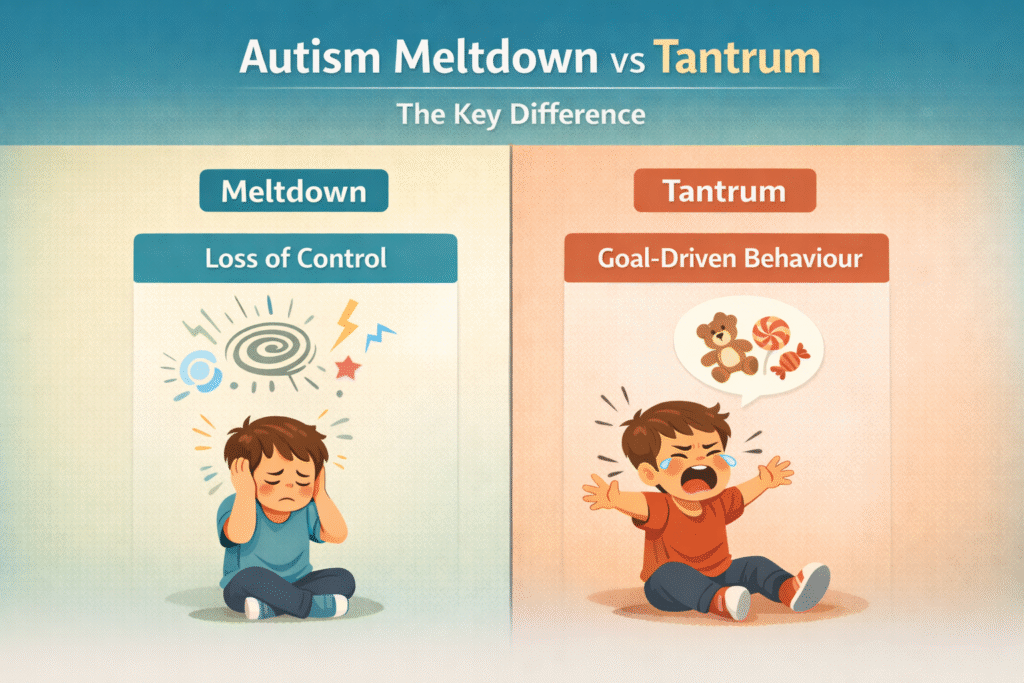
At first glance, an autism meltdown and a tantrum might seem similar, but they’re actually driven by totally different factors.
This usually happens when a child gets overwhelmed:
- Maybe there’s too much noise
- bright lights,
- or a flood of emotions
They lose control, and it’s not something they’re doing on purpose. You can’t just tell them to stop or expect them to snap out of it. It’s not about getting attention or trying to make something happen. The meltdown just takes over.
Tantrums are completely different from meltdowns. Here, the child wants something: a toy, maybe, or just your attention.
They know what they’re after, and, if you give in, the tantrum stops. They still have some control, even if it doesn’t always look like it. As kids get older and figure out better ways to say what they need, tantrums usually become less common, as they develop improved communication skills and emotional regulation strategies.
What is an Autism Meltdown?
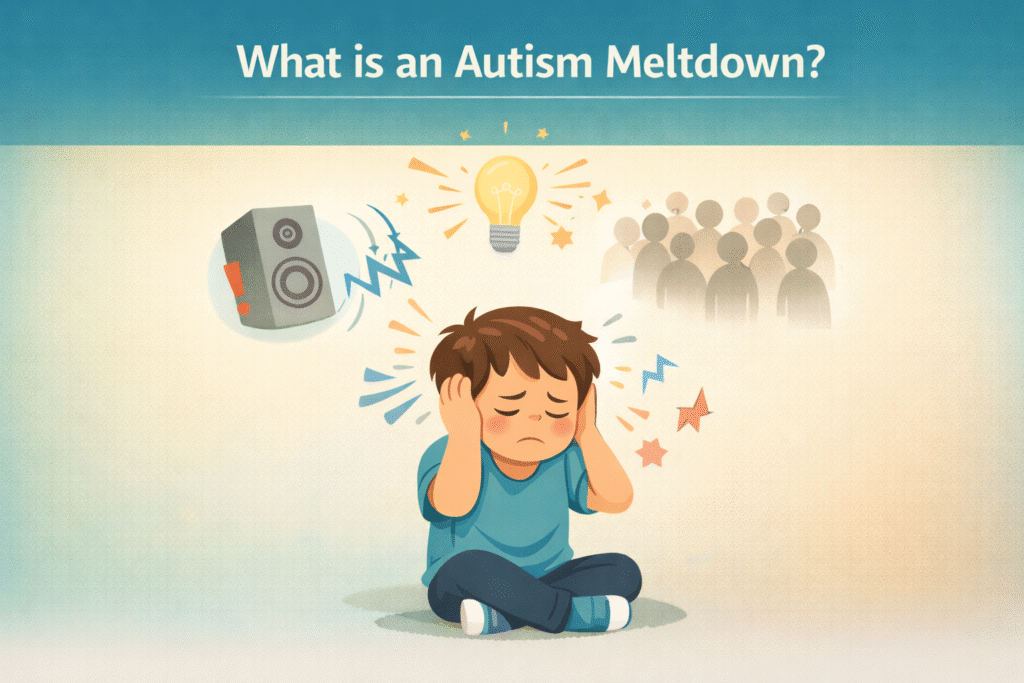
An autism meltdown happens when the child gets completely overwhelmed, maybe by too much noise, bright lights, strong feelings, or just the stress of it all. It’s not something they do on purpose, and it’s definitely not about trying to control or manipulate anyone.
For many children with autism, regular places can just get too intense. Think crowded rooms, sudden loud noises, a change in plans, or even a wave of emotions. When all of that piles up, the brain hits its breaking point, and a meltdown happens.
In that moment, the child isn’t choosing how they act. Their nervous system is in overdrive, and honestly, they just can’t help how they react.
So, what does an autism meltdown look like? Here are some signs:
- Crying or screaming and can’t seem to stop
- Covering their ears or eyes to try to block out everything
- Hurting themselves or lashing out at others
- Bolting from the room, trying to get away
- Shutting down and not responding at all
Meltdowns usually build up as sensory input stacks on top of itself. The more you understand what sets them off, the better you can help. If you want to dig deeper, check out our guide on sensory challenges in autism. It’s worth a read.
What is a Tantrum?
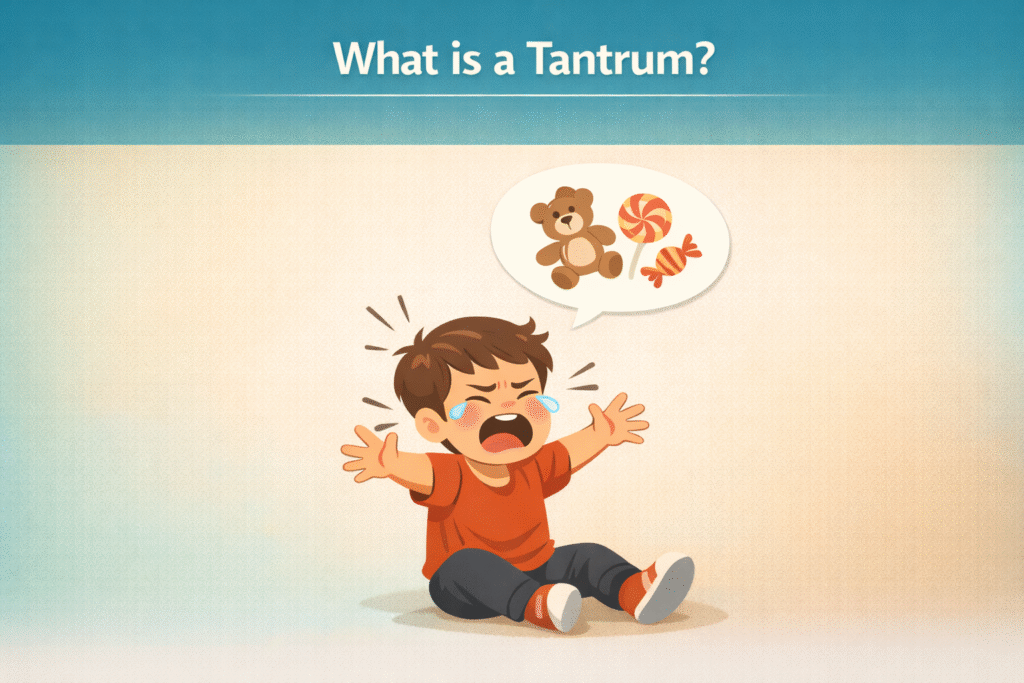
People confuse autism tantrums and meltdowns, but tantrums are part of growing up. Both autistic and non-autistic kids have them.
Usually, a tantrum starts when a child wants something and gets frustrated if they can’t have it. It’s their way of showing that frustration or, sometimes, trying to get their way.
You’ll notice a few things when a kid’s having a tantrum. They might want attention, a snack, a toy, or they might want to skip something they don’t like. The moment they get what they want, the tantrum usually stops.
Sometimes, they’ll even pause in the middle of it to see if you’re paying attention. And how do you react? That can make the whole thing ramp up or die down.
Keep this in mind: your child screams for candy at the store, refuses to leave the playground, or throws a toy because you said “no.” But as soon as you give in or they get distracted, the tantrum fizzles out.
Tantrums are about getting something. Kids usually have at least some control over what they’re doing, which is pretty different from a meltdown.
Autism Meltdowns vs Tantrums: Side-by-Side Comparison
Knowing the difference between a meltdown and a tantrum helps parents handle tough moments with their kids. Sure, they might look the same on the surface, but what’s going on underneath isn’t.
| Feature | Autism Meltdown | Tantrum |
| Cause | Sensory overload or emotional overwhelm | Frustration or wanting something |
| Control | Child cannot control behavior | Child has some control |
| Goal | No specific goal | Goal-oriented behavior |
| Reaction to reward | Does not stop when a reward is offered | May stop quickly if the child gets what they want |
| Duration | Can last longer and take time to recover | Usually shorter |
What Triggers Autism Meltdowns?
Figuring out what triggers autism meltdowns can make life a lot smoother for parents and kids. When you spot the patterns, you stop problems before they snowball. Most meltdowns happen when stress or sensory input piles up—way past what the child can handle.
Here’s what triggers them:
Sensory Overload
Emotional Overwhelm
Communication Frustration
Unexpected Changes in Routine
Physical Discomfort
If you want to dig deeper, check out our other guides on social challenges, anxiety, and sensory issues in autism. These pieces offer more tips and details.
Early Warning Signs Before a Meltdown
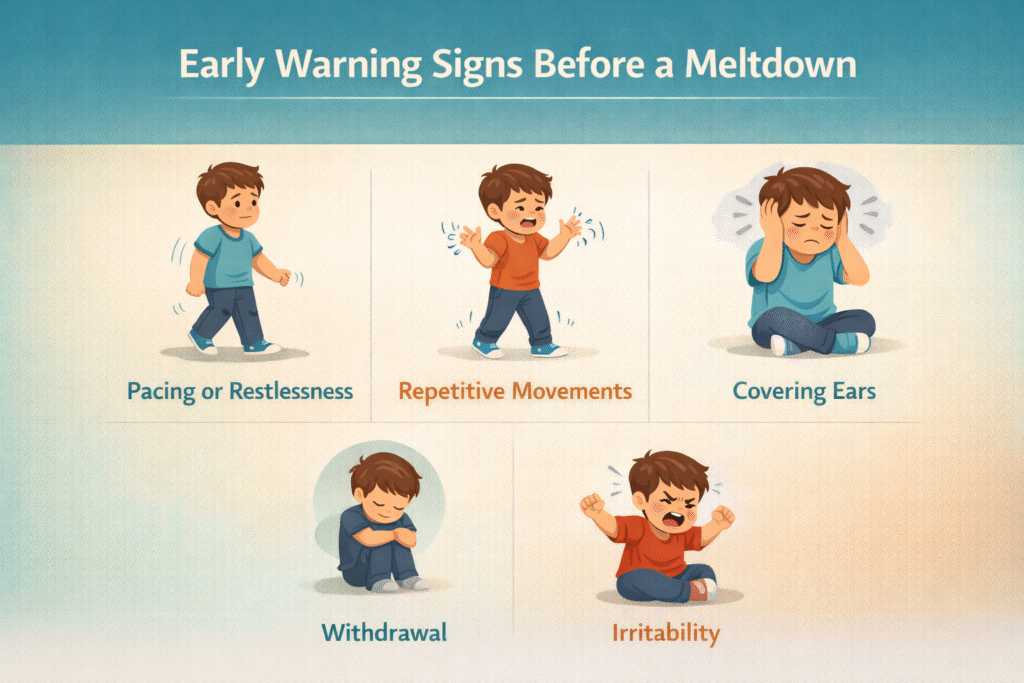
Sometimes, parents spot little hints before a meltdown even starts. Catching these early signs lets you step in sooner and keep things from spiraling out of control.
Every kid’s different, of course, but there are a few warning signs about which you should know:
- They start pacing or just can’t sit still.
- You might see hand flapping or other repetitive movements.
- Sometimes they cover their ears, trying to block out noise.
- Other times, they go suddenly quiet or pull away.
- They can also get cranky or upset over things that usually wouldn’t bother them.
When you see these signs, it usually means your child’s starting to feel overloaded. If you pay attention and notice what sets these reactions off, you’ll get better at spotting the pattern. This allows you to intervene and provide support before the stress escalates significantly.
How to Calm an Autistic Child During a Meltdown?
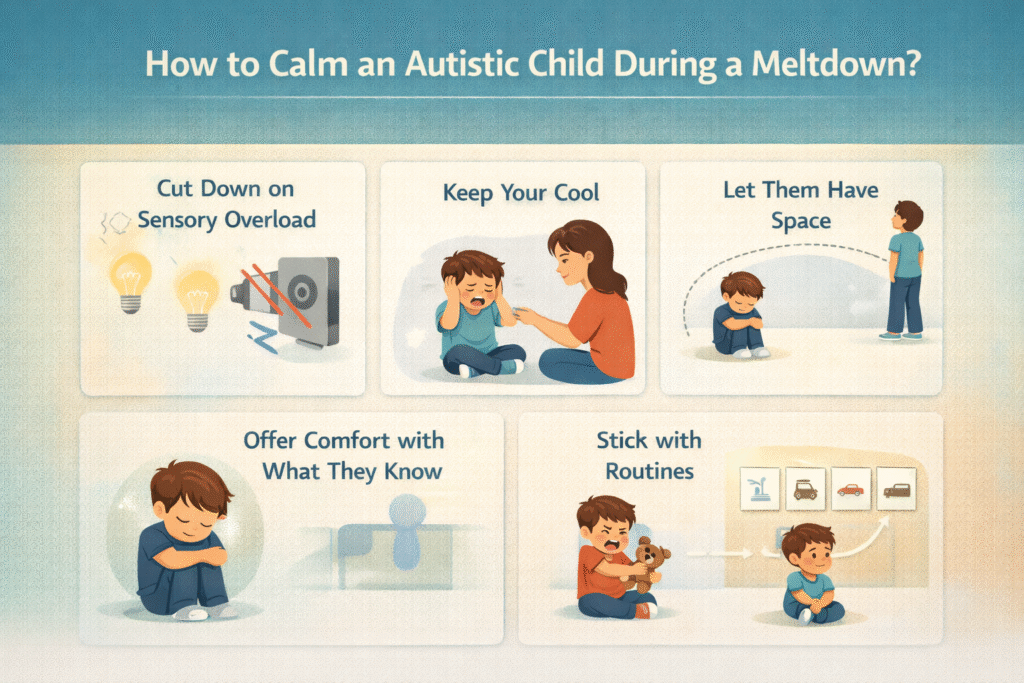
When your child with autism has a meltdown, knowing how to respond can help you provide the support they need and handle it better. Empowered with this knowledge, you can help your child feel safe while their nervous system calms down, which is more important than stopping the meltdown immediately.
Here are a few things that help:
- Cut Down on Sensory Overload: Loud noises, bright lights, or too much going on can make things worse. If you can, move your child somewhere quieter where there’s less happening.
- Keep Your Cool: Remember, a meltdown isn’t something your child is doing on purpose. If you stay calm and talk gently, it can keep things from getting even more overwhelming for them.
- Let Them Have Space: Sometimes the child needs a bit of distance. Don’t crowd them or push them to talk. Just give them time to settle.
- Offer Comfort with What They Know: If your child has a favourite sensory toy or a weighted blanket, these familiar things can be soothing.
- Stick with Routines: Predictable routines help many autistic kids feel safer and less anxious, so sticking to them can prevent meltdowns from happening.
Try not to react in ways that add stress. Yelling, forcing eye contact, or demanding your child snap out of it usually just makes things harder. Patience and support go a long way in helping your child feel safe again.
When Meltdowns Become Frequent
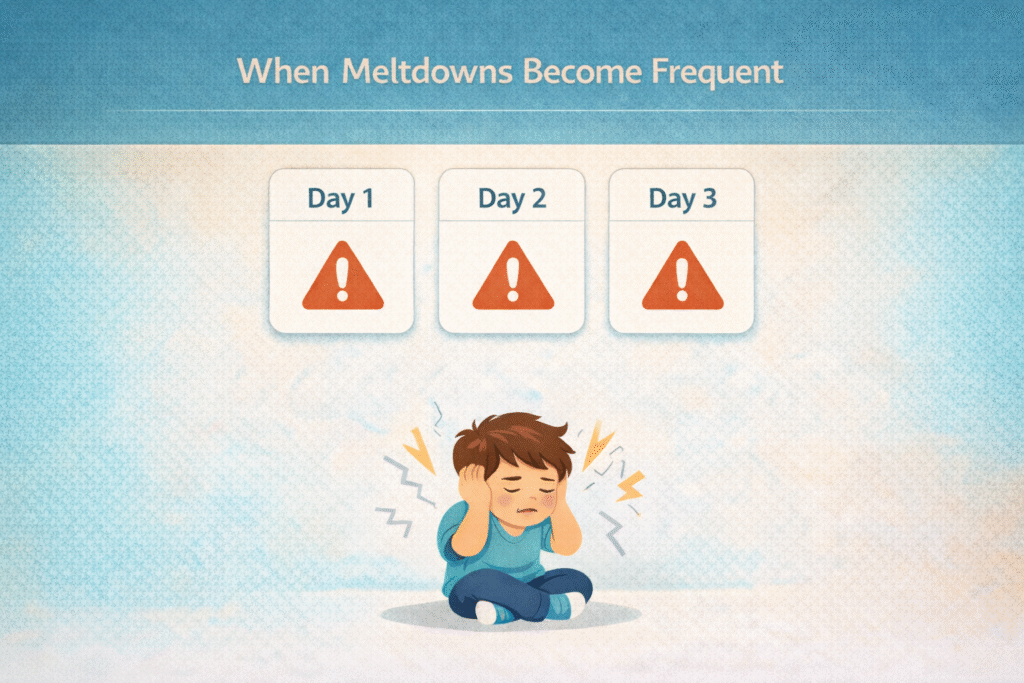
Children’s meltdowns are sometimes normal when they get overwhelmed. But if these meltdowns start happening constantly, get more intense, or start messing with daily life, that’s a sign to reach out for extra help.
There are a bunch of reasons why meltdowns might keep happening. Your child may have a tough time with sensory factors like loud noises, bright lights, or crowded places, which can feel intolerable. Anxiety can increase the stress even more in this type of situation.
If your child struggles to say what they need or how they feel, that doesn’t help either. And sometimes, it’s hard for them to manage big emotions.
When you are in such a situation, speaking with a professional, a developmental pediatrician, psychologist, or therapist, makes a difference. They can help you find out what’s going on and share strategies that actually work. Getting help early gives your child a better shot at learning how to cope.
If you want to dig deeper, check out resources about behavioural therapy for autism or different autism treatments. There’s a lot of support out there, and it’s worth exploring what’s available.
Takeaway
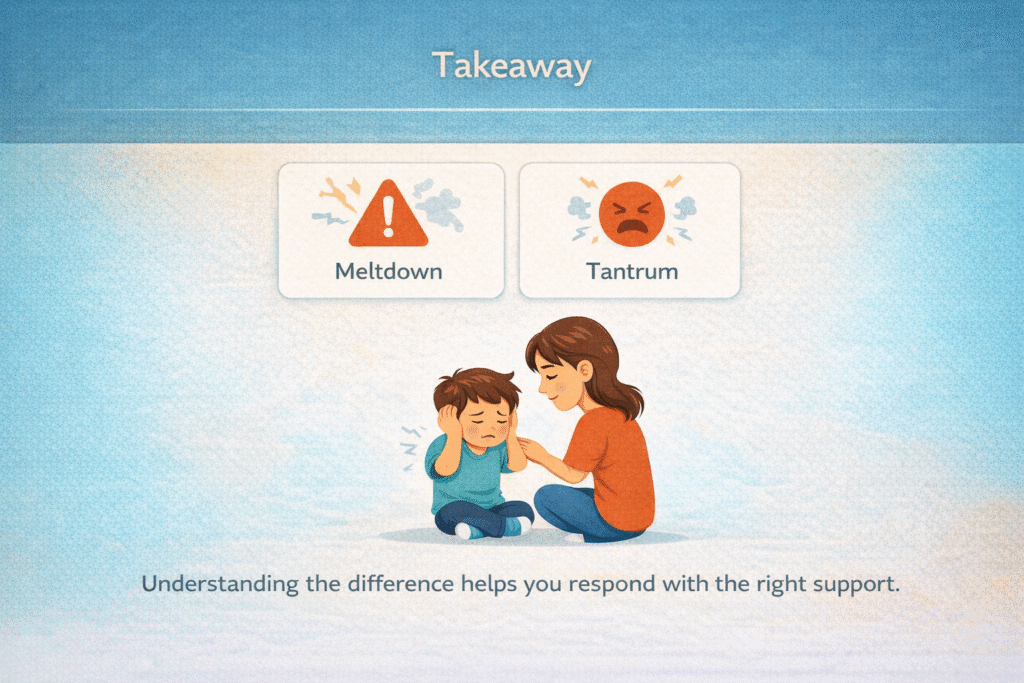
Meltdowns are not a child’s choice. They usually happen when a child becomes overwhelmed by too much sensory input or intense emotions, reaching a point where they can no longer cope. In such moments, their reactions are not intentional or meant to create trouble; instead, they are a response to feeling completely flooded.
Tantrums, on the other hand, are different. They often occur when a child wants something, such as attention, a favourite toy, or a change in the situation. Unlike meltdowns, tantrums are typically linked to a specific desire or goal that the child is trying to achieve.
Understanding and recognizing triggers early can make a significant difference. Certain noises, strong emotions, or sudden changes in routine can sometimes build up and lead to a meltdown or tantrum. When parents or caregivers notice these triggers early, they have a better chance of preventing the situation from escalating.
Staying calm during these moments is equally important. When parents maintain their composure and respond with patience, it helps create a sense of safety for the child and makes it easier for everyone to navigate through these challenging situations.
If your child’s having lots of meltdowns or tough behaviour, finding the right support changes things. A professional can spot what sets your child off, figure out what they need, and help you come up with real-life strategies that work, not just for your child, but for you, too.
Getting help early gives kids a better shot at learning how to cope, and it gives you real tools to handle rough moments without feeling lost.
Ready for some expert advice?
Frequently Asked Questions (FAQs):
Q1. Why do autistic children have meltdowns?
A. Meltdowns occur due to sensory overload or emotional overwhelm. Loud noises, bright lights, crowded places, sudden routine changes, or difficulty expressing feelings can make a child feel overwhelmed and trigger a meltdown.
Q2. How long do autism meltdowns last?
A. The duration can vary. Some meltdowns may last a few minutes, while others can take longer depending on the level of stress, the environment, and how quickly the child is able to calm down.
Q3. Can meltdowns happen in adults with autism?
A. Yes, adults with autism can also experience meltdowns. When stress, sensory overload, or emotional pressure becomes too intense, adults may react in ways similar to children, although they may try to mask or manage it differently.
Q4. How can parents prevent autism meltdowns?
A. Parents can reduce the chances of meltdowns by identifying triggers, maintaining predictable routines, preparing children for transitions, and creating calm environments. Recognizing early warning signs also helps parents intervene before stress becomes overwhelming.
References
Relevant Articles For You
Social Challenges in Autism
Social challenges in autism are more than what you see and experience with your child. Here, you need to understand that…..Read More
Indian Diet for Autism
When creating a diet for your autistic child, it is essential to identify beneficial foods that promote their overall growth and…..Read More
Combination Therapy Success Rate for Autism in India
The combination therapy success rate for autism in India has shown some promising results, and many parents have…..Read More
Why My Child’s Autism Treatment Isn’t Working?
Treatment for autism can be alarming for you as a parent or caregiver and it even makes sense if improvement seems…..Read More
Recommendations To Understand Different Treatments
Combination Therapy for Autism
Autism affects each child differently. So our personalized care model blends modern therapies like…..Read More
Stem Cell Therapy for Autism
Stem cell therapy uses your body’s regenerative power. These cells can transform into specialized cells and…..Read More
Homeopathy for Autism
Homeopathy is a 200-year-old science that focuses on holistic healing. Its goal is to balance the mind and…..Read More
Ayurveda for Autism
Natural Ayurvedic herbs are famous for their wide range of potency and effectiveness without any side…..Read More
Medically Reviewed by MedicoExperts Editorial & Clinical Review Board on 13 March 2026
Medical Disclaimer: This content is for informational purposes only and is not intended as medical advice, diagnosis, or treatment. Always seek the advice of your physician or other qualified healthcare provider regarding any medical condition or dietary needs.