
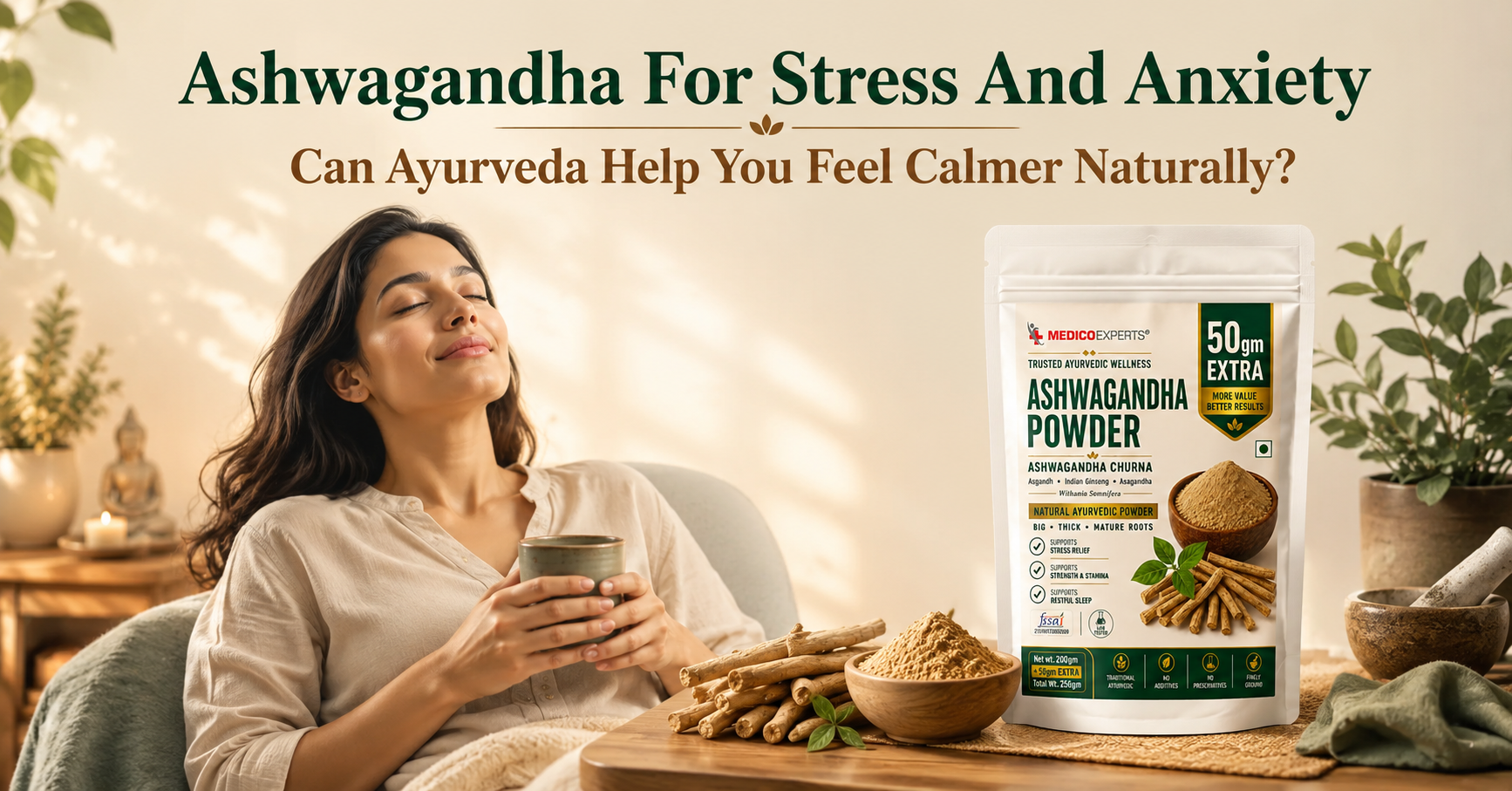
The feeling of deadlines piling up, traffic jams, family obligations, and, let’s not forget, the never-ending buzz of phone notifications can take a toll on your peace of mind.
You toss in bed without sleep, and it’s no wonder stress and anxiety have become a regular part of life for you.
If you’re looking for a way to unwind that doesn’t mean taking more pills, you’ve probably come across ashwagandha for stress and anxiety.
In Ayurveda, ashwagandha has been used as a rasayana, which is thought to boost your body’s ability to handle stress, both physical and emotional. Researchers have found that ashwagandha can lower cortisol (the stress hormone) and may even help you sleep better after a while.
But how does it actually work? Who stands to benefit the most? And what does science say? Understanding these facts can help you make smarter, safer choices about managing stress without running straight for medication and may help you start feeling like yourself again.
Why Modern Stress Feels Different Today?
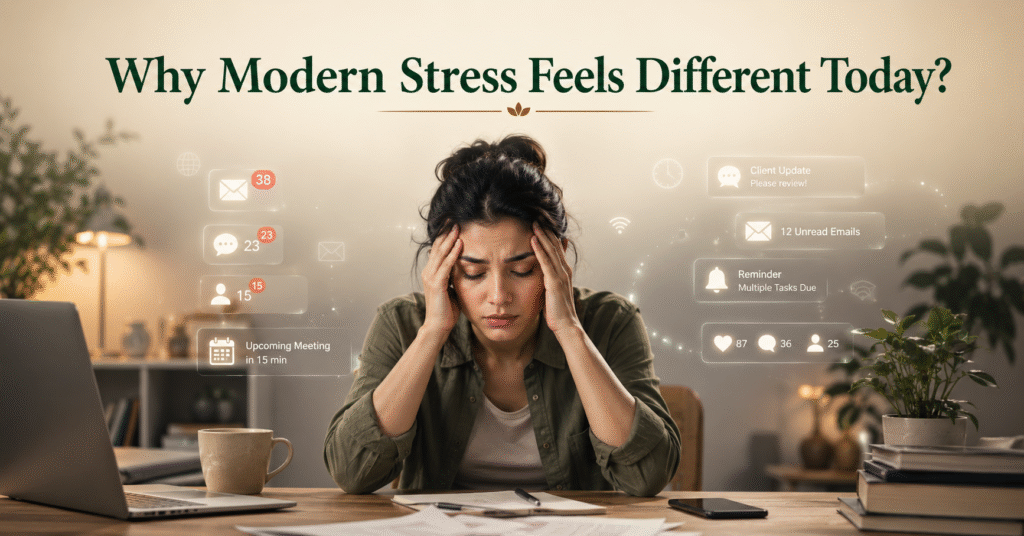
Not all stress is negative. In fact, stress is something quite common that is meant to be experienced in some cases. Your body is created in such a way that it can cope with temporary stress while passing an exam, doing an important work-related job, feeling ill, and facing an emergency.
Today’s type of stress is different from the traditional one. First of all, modern humans live under constant mental tension when the brain is not provided with enough resting time. This can include the
- continuous use of gadgets with their screens
- receiving numerous social media notifications
- experiencing financial issues
- having long hours at work
- being deprived of rest
- facing emotional issues.
Unlike the usual stressful situation, your body remains under this kind of stimulation for the whole day.
In such a situation, cortisol levels, the body’s primary stress hormone, increase and take much longer to return to normal. Such a condition is likely to affect emotions, sleeping patterns, attention level, and physical activity.
People may experience chronic stress without realizing it because of its gradual onset.
Typical symptoms of chronic stress and anxiety can be
- Uncontrolled racing thoughts
- Being irritable and highly emotionally reactive
- Shallow/fast breathing
- Always thinking about everything
- Feeling emotionally/mentally drained
- Having trouble falling asleep
While stress can be a normal part of life, unlike stress, which is only temporary, chronic stress can quietly influence our minds and bodies, making stress management more important than ever.
What is an Adaptogen?
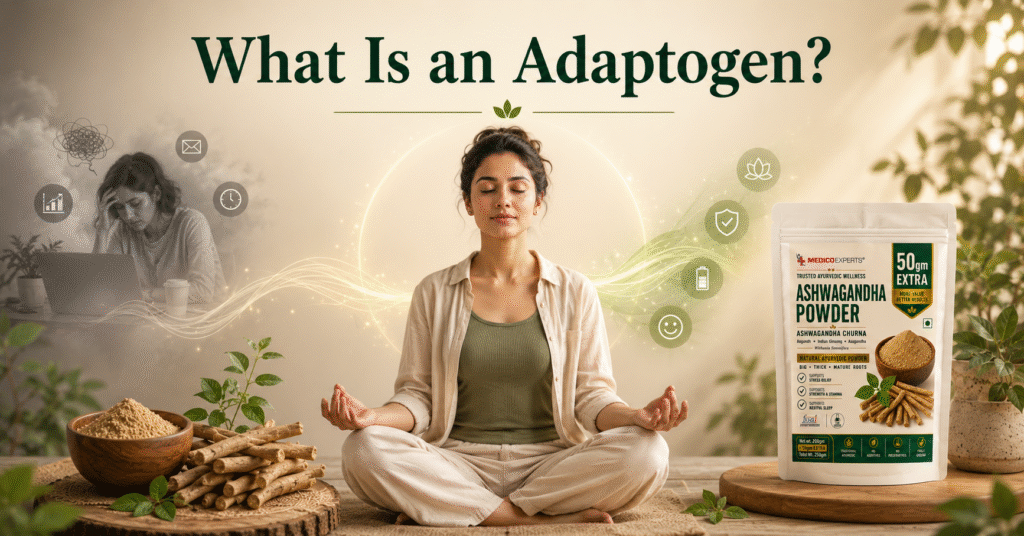
Under chronic stress conditions, any minor issues could easily trigger a crisis response from the body’s systems.
An urgent need for a reply to your email, traffic, professional pressures, and sleep deprivation, all of these could cause anxiety, tension, and fatigue much quicker than is usually required.
Here is when the idea of the ashwagandha adaptogen stress reaction comes in handy. Adaptogens are substances that assist the organism in not overreacting to stressful situations and coping with them in a balanced manner.
Rather than causing the body to become drowsy or relaxed, adaptogens are supposed to assist the body in keeping its balance in order. They might make your nervous system able to cope with various physical and psychological challenges rather than constantly being in a state of alertness.
Among the most extensively studied Ayurvedic adaptogens, ashwagandha is the one. It has always been considered capable of supporting resilience, providing additional energy and emotional stability, and assisting the body to recover after prolonged stress states.
How Ashwagandha Helps Reduce Stress and Anxiety?
Some people believe stress is ‘all in your head.’ But the detrimental effects that chronic stress has on the body are far-reaching. The hormonal system is compromised as chronic stress attacks sleep, the body’s ability to produce energy, the emotional balance, and the nervous system’s response to stimuli.
It is because of these reasons that more and more scientists are researching Ashwagandha and how it could enhance the body’s ability to cope with stress rather than the symptoms of stress.
Ayurvedic medicine has traditionally used ashwagandha to promote healthy reactions to the stresses of the body and mind.
Chronic stress has residual effects, compromising cortisol and nervous system regulation. It is important to understand the mechanism behind ashwagandha in order to understand how it has the ability to alleviate stress and anxiety.
The Cortisol Connection
Clinical Study Highlight
What Clinical Research Actually Says About Ashwagandha?
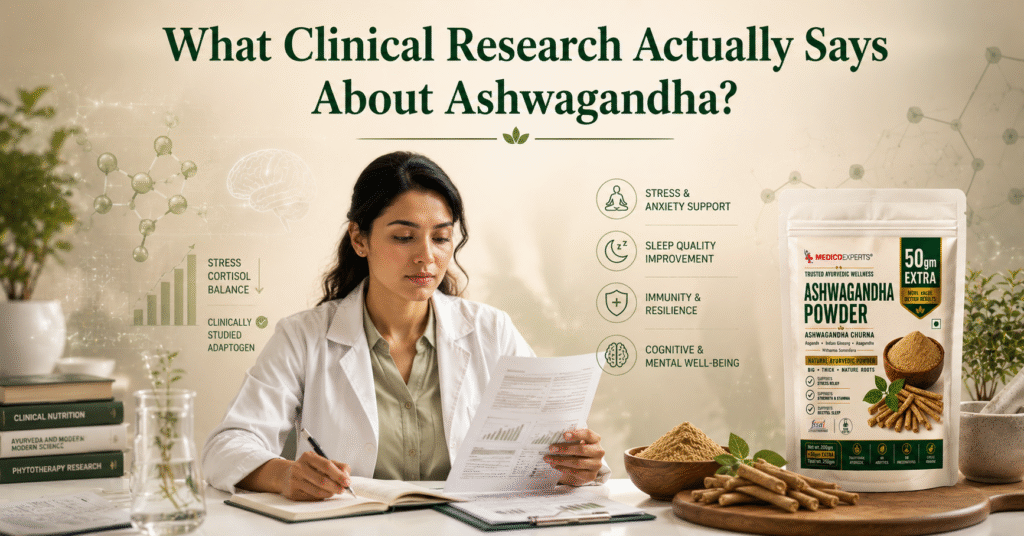
The use of ashwagandha has been on the rise over the last few years due to increased interest in herbal medicines to treat conditions such as stress and anxiety.
Although there are still ongoing studies on the drug, evidence from several studies indicates promising findings regarding Ashwagandha’s effects on stress response, emotional stability, and sleeping patterns. It is worth noting that this plant cannot be considered an effective cure for any problem.
Most of the studies on ashwagandha involve people who suffer from chronic stress. According to research findings, many subjects indicated that they felt relaxed, less anxious, and capable of managing their everyday life more effectively as they continued consuming the medicine. Some studies show that there were improvements in anxiety test results in patients taking ashwagandha.
There is also considerable evidence that ashwagandha can enhance people’s sleeping patterns because of its ability to decrease stress levels. As mentioned above, anxiety and stress affect people’s sleep. Therefore, the medicine has helped several participants fall asleep quickly and wake up rejuvenated.
Improvements have also been observed in the areas of well-being, such as better-balanced moods, decreased mental tiredness, and improved quality of life for some people.
These observations indicate positive signs, although outcomes can vary based on the dose and quality of the extract consumed, among others.
In general, the current data suggest that Ashwagandha might be helpful for stress relief and emotional balance for some people under the right circumstances; however, further scientific investigation is still required.
Ashwagandha vs Anti-Anxiety Medication
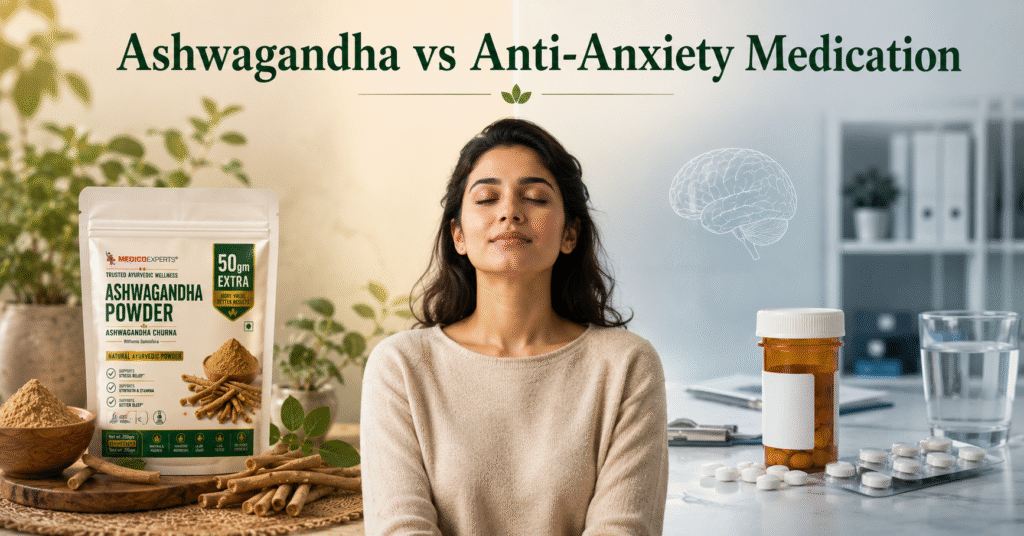
Ashwagandha is usually described as a good option for those looking for a natural remedy against stress. However, it is essential to make sure that one has an accurate perception of this herb and its capabilities.
Ashwagandha is not a medicine to replace prescription anti-anxiety drugs, as it would be wrong to use it for treating severe anxiety disorders, panic attacks, and clinical depression. Prescription drugs are taken under a physician’s recommendation to address diagnosed mental issues.
While ashwagandha is often considered a supplemental herbal remedy, prescription medicine refers to treatment for a particular condition. In this regard, ashwagandha can be recommended for the following concerns associated with stress:
- Occasional stress at home or at the office
- Burnout, exhaustion, and mental stress associated with work
- Sleep problems caused by stress
- Overwhelmed feeling or irritation
- Stress associated with a hectic lifestyle
On the contrary, people suffering from severe anxiety or depression should consult doctors before starting to take ashwagandha.
Important distinctions:
- Ashwagandha cannot be considered an absolute cure for anxiety disorders
- It should not be used as a substitute for medications recommended by a doctor
- It can help develop natural resistance to stress in some people
- It can be more effective when combined with other healthy behaviours
- It requires medical advice, especially if you use medications or have any illnesses
It is always better to get medical advice before using Ashwagandha, especially if you are on antidepressants, anxiety treatment, thyroid, or other medications for illnesses.
Doctor’s Perspective
As far as a clinical opinion is concerned, there is no case when a person experiences stress and anxiety due to only one reason. Lack of sleep, work-related stress, hormonal imbalances, improper lifestyle, exhaustion of emotions, malnutrition, and psychological issues are some factors that may influence the physical and emotional state of a person.
It is the main reason why healthcare specialists usually think about stress management not in terms of a fast solution but through the prism of medical treatment, proper lifestyle, and psychological counseling.
Doctors usually mention that ashwagandha is very beneficial for people who are under stress in their lives because of an improper lifestyle.
Nevertheless, healthcare professionals always recommend being very careful with herbs since any natural product does not mean that a person should consume it without thinking.
Doctors usually suggest prioritizing the following:
- Sleep and recovery practices
- Stress management strategies such as meditation and breathing exercises
- Exercise and regulation of the nervous system
- Healthy diet with minimized overload from stimulants
- Mental health professionals’ help when necessary
- Proper and evidence-supported supplementation
Based on research, Ashwagandha shows promise in dealing with stress resistance and emotional balance issues for some patients, provided healthy practices are involved.
But doctors also emphasize that a proper diagnosis is required since signs like tiredness, irritability, nervousness, insomnia, and fogginess might be associated with illnesses such as thyroid disease, depression, hormone imbalance, or exhaustion.
That’s why professional advice is necessary, particularly in cases where there are anxiety problems, other underlying diseases, pregnancy, and medication usage.
How to Take Ashwagandha Powder for Stress Relief?
For stress relief when consuming ashwagandha powder, consistency is normally preferred over quantity. Ashwagandha is generally taken in small portions on a regular basis as per traditional practices in Ayurveda in order to maintain balance, enhance resilience to stress, and help the nervous system recover from exhaustion. Many people incorporate it in their morning and evening practices.
Morning Practice
Evening Wind-Down Routine
Suggested Usage Duration
Ready to Take a Natural First Step Toward Calmer Days?
Are your day-to-day activities being impacted by stress, anxiety, lack of sleep, or other issues? Making an informed choice regarding which wellness routine to follow can play an important role in improving your well-being. MedicoExperts Ashwagandha Powder comprises of 100% pure Ayurvedic Ashwagandha root powder without any fillers or additives whatsoever, allowing you to pursue your stress management regime naturally.
Whether you choose to implement a soothing morning routine or an evening relaxation routine, ashwagandha root powder might help maintain your emotional balance and reduce stress if followed in accordance with proper lifestyle choices.
- FSSAI Certified Product
- 100% Pure Ayurvedic Root Powder
- Free From Fillers & Artificial Ingredients
- Free Shipping In India
What Results Can You Realistically Expect?
It is worth noting that when using ashwagandha, the herb is not supposed to offer immediate relief, unlike fast-acting energy drinks or medicines aimed at alleviating symptoms immediately. Rather, it is meant to restore and regulate the natural functioning of one’s stress response mechanism gradually.
Many users expect instant results, yet many other factors play an essential role in reducing stress and balancing nervous system performance, including proper sleeping, maintaining good habits and routines, etc. Therefore, one should take into account several factors that might affect people’s results, such as current stress level, lifestyle, sleep quality, nutrition, and overall well-being.
The following table presents the expected effects of continuous usage of Ashwagandha by certain people:
Week 1
Week 2–3
Week 4–8
Who May Benefit Most From Ashwagandha?
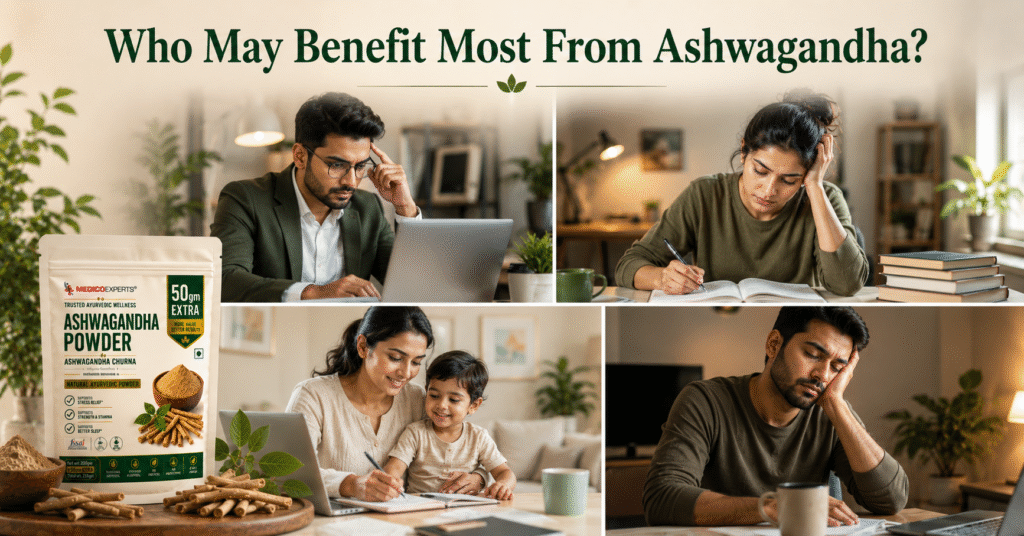
Ashwagandha is widely used by people seeking natural support for persistent stress, fatigue, or emotional overload. Although each case is unique, certain groups of people may be more inclined to use ashwagandha as a remedy.
Among them, one may find the following:
- Workers facing regular deadlines, exposure to the screen for many hours, work-related stress, or burnout
- College students suffering from academic stress, anxiety related to exams, mental fatigue, or lack of concentration abilities
- Caregivers experiencing emotional and physical stress due to taking care of children, parents, or other family members with health issues
- People with chronic stress often suffer from mental exhaustion, overstimulation, or emotional fatigue
- People exhibiting mild anxiety, characterized by overthinking, irritability, agitation, or insomnia caused by stress.
Symptoms of stress overload can include the following:
- “Feeling wired but tired” frequently
- Trouble relaxing despite being at rest
- Incessant thoughts
- Weak stress tolerance
- Emotional fatigue due to daily activities
- Stress-related insomnia
It is important to note that ashwagandha does not have diagnostic, therapeutic, nor substituting purposes when dealing with any major psychological problems. Prolonged episodes of panic attacks, depression, anxiety, or any other emotional condition should be reported to a professional doctor immediately.
Safety, Side Effects, and When to Avoid It
Though ashwagandha is commonly used within the context of Ayurvedic medicine and is typically recognized as having an acceptable safety profile for most individuals, “natural” should not automatically mean without risks.
As with any supplement, there may be potential side effects and interactions that need to be considered before taking ashwagandha.
These include:
- Digestive problems
- Stomach pain or nausea
- Excessive drowsiness
- Headaches in some instances
Other circumstances exist where Ashwagandha use may not be advisable without consulting a doctor.
Pregnancy and Breastfeeding
Thyroid Disorders
Medication Interactions
When Professional Medical Advice Is Recommended
Ashwagandha for Stress and Anxiety – Final Takeaway
Dealing with stress in this modern day is not only about being more relaxed. It is also about allowing the body to repair itself from all the stressors and emotional triggers, as well as the nonstop way of life.
Ashwagandha has some beneficial effects on people in helping them cope with stressors in a more manageable way. But it must be remembered that ashwagandha should not be used as a replacement for medicine. Instead, as more scientific evidence backs it up, it might turn out to be a useful part of overall wellness.
Tired from Mental Exhaustion Due to Stress in Everyday Life?
Continuous stress, lack of sleep, and mental tiredness can gradually start impacting your emotions, concentration levels, and energy. Although you cannot cure yourself instantly, following minor wellness practices can positively impact your physical state and bring about balance.
Ashwagandha Powder manufactured by MedicoExperts comes with 100% Ayurvedic Ashwagandha root powder to aid stress management and psychological wellness.
- ✔ 100% Pure Root Powder
- ✔ No Fillers & Artificial Additives
- ✔ FSSAI Certified
- ✔ Free Shipping All Over India
Frequently Asked Questions (FAQs):
Q1. How does ashwagandha work for reducing stress and anxiety?
A. Ashwagandha might promote natural physiological reactions by modulating the activity of the HPA axis and reducing the concentration of cortisol. In turn, that could positively affect the organism’s stress response in the long term.
Q2. What dosage of ashwagandha powder is recommended for reducing stress?
A. It is common practice to consume half a teaspoon (around 3–5 grams) of ashwagandha powder daily with hot water or milk. However, the optimal dose will depend on numerous factors, including one’s health condition and habits.
Q3. Is it safe to consume ashwagandha powder every day?
A. Generally speaking, this product is quite well-tolerated in appropriate doses. However, individuals suffering from thyroid diseases, other illnesses, or taking medications need special medical advice prior to its frequent consumption.
Q4. Will ashwagandha powder replace my current anxiety medication?
A. Absolutely not. It cannot be consumed instead of prescribed drugs for treating anxiety disorders without consultation with a healthcare provider.
Q5. When can I see the effect of using ashwagandha?
A. Ashwagandha does not provide immediate effects like painkillers. According to various scientific research studies, it takes about 4–8 weeks of treatment to observe noticeable benefits regarding stress and anxiety problems.
Q6. Which is the best ashwagandha for anxiety in India?
A. Ashwagandha supplements made with standardized root extract, such as KSM-66 or Sensoril, are commonly preferred for stress and anxiety support because they are clinically studied and widely available in India.
Q7. What are the mental health benefits of ashwagandha powder?
A. Ashwagandha powder may help reduce stress, anxiety, and mental fatigue by supporting the body’s stress response and lowering cortisol levels. Some studies also suggest it may improve sleep, focus, mood, and overall emotional well-being when used regularly.
Q8. Can ashwagandha help with overthinking?
A. Ashwagandha may help with overthinking by reducing stress and anxiety levels, which can calm a constantly active mind. Its adaptogenic properties may support relaxation, improve sleep quality, and help the body cope better with mental stress. However, it is not a cure for anxiety disorders or chronic mental health conditions.
References
Relevant Articles For You
What are the Benefits of Ayurvedic Medicine for Men?
How would you feel if you could regain your energy, restore your drive, and sharpen your vitality through the…..Read More
Impact of Stress and Anxiety on Your Intimate Life
Have you ever wondered how stress and anxiety gradually spoil the joy of your sexual experiences? Yes, It’s a…..Read More
How Stress Affects Your Sexual Performance?
Stress has a strange way of showing up in your life. Sometimes it affects your mood, sometimes your sleep, and…..Read More
How To Remain Stress Free And Focused?
Do you know that you can fight victoriously the stress and resultant frustration and anxiety at your workplace? Yes, it’s…..Read More
Autism Child Anxiety Management
It pains you when you see your child struggle with fear, constant nervousness, or sensory-driven anxiety. You may…..Read More
Medically Reviewed by MedicoExperts Editorial & Clinical Review Board on 29 May 2026
Medical Disclaimer: This content is for informational purposes only and is not intended as medical advice, diagnosis, or treatment. Always seek the advice of your physician or other qualified healthcare provider regarding any medical condition or dietary needs.