
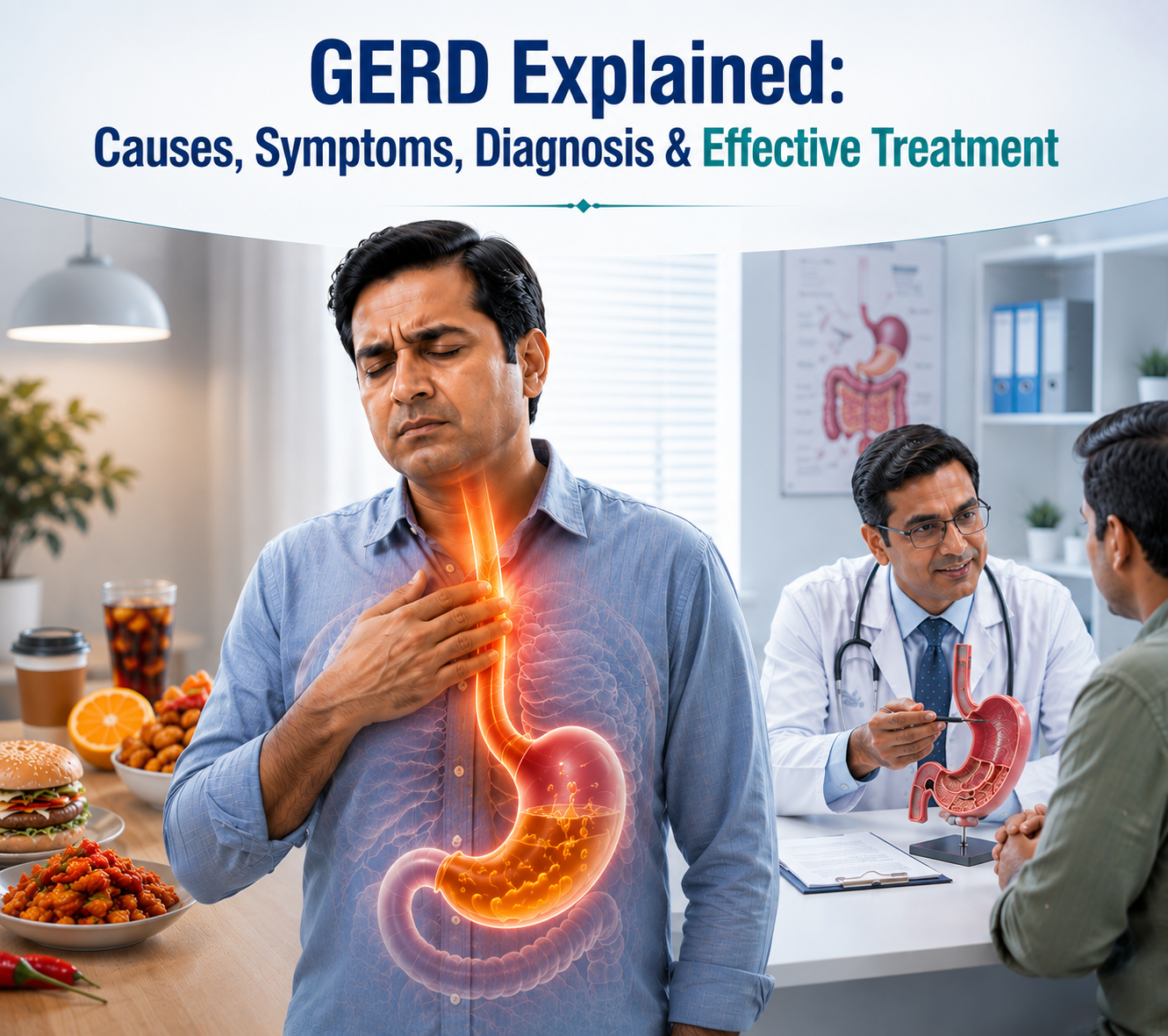
GERD Explained: Causes, Symptoms, Diagnosis & Effective Treatment
Gastroesophageal reflux disease (GERD) is a chronic digestive condition where stomach acid repeatedly flows back into your esophagus, causing persistent heartburn, regurgitation, and difficulty swallowing. An estimated 7–20% of Indian adults live with GERD, and many depend on daily medication without ever addressing the root cause. Unlike occasional acidity after a heavy meal, GERD does not go away on its own, but with the right approach, lasting relief is possible. Here is everything you need to know about recognising your symptoms, understanding what is causing them, and choosing a treatment that actually works.
What is GERD?
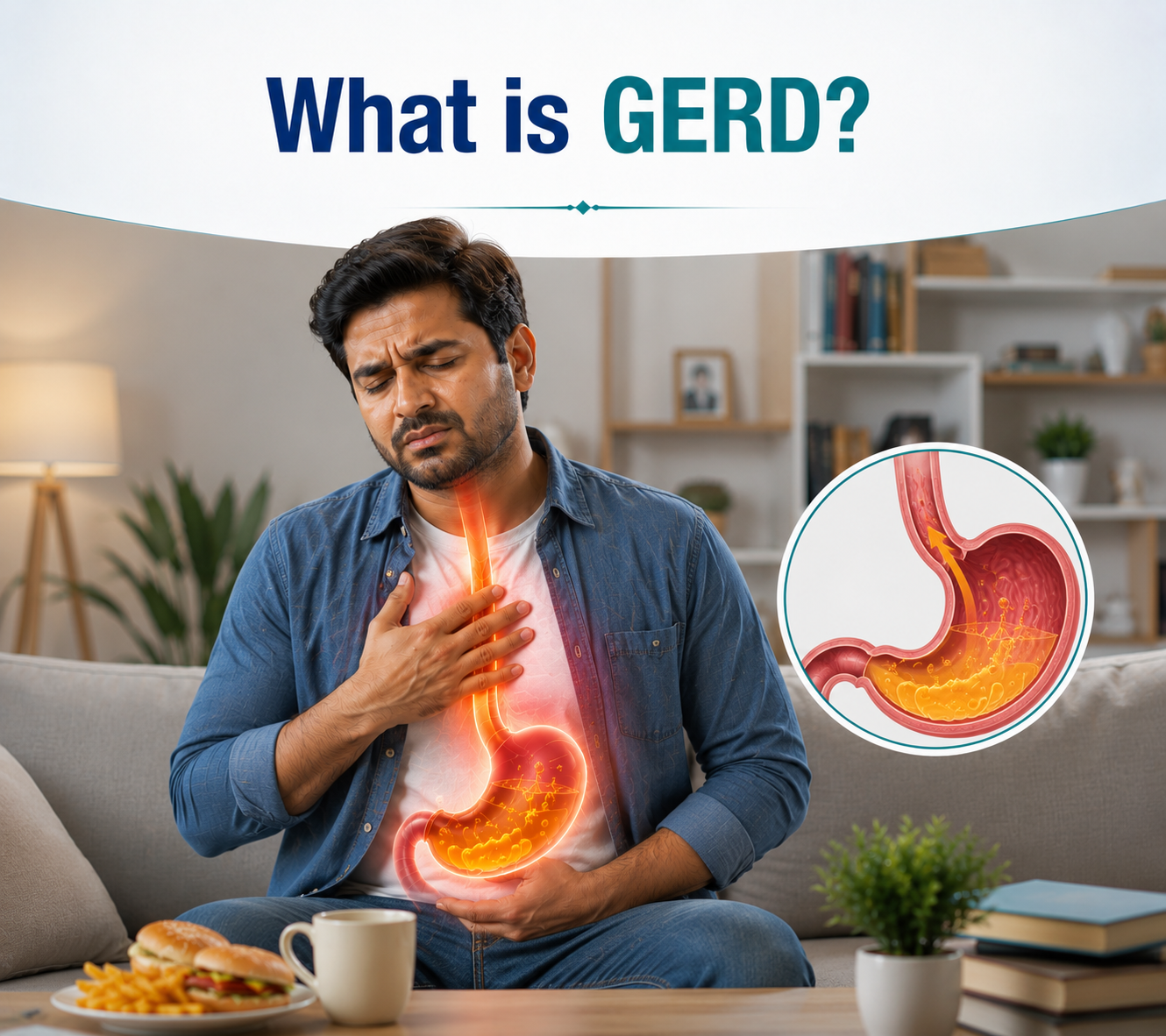
GERD stands for gastroesophageal reflux disease. It happens when the lower esophageal sphincter (LES), a ring of muscle at the bottom of your food pipe becomes weak or relaxes when it should not. This allows stomach acid to flow backwards into the esophagus, irritating its lining over time.
Your stomach is built to handle acid. Your esophagus is not. When acid reaches the esophageal lining regularly, it causes inflammation, pain, and in some cases, lasting tissue damage.
According to the Indian Society of Gastroenterology, GERD affects a significant portion of the Indian population, with prevalence rates varying between 8% and 22% depending on the region (Bhatia et al., Indian J Gastroenterol, 2019). Globally, the American College of Gastroenterology (ACG) estimates that around 20% of adults in Western countries experience reflux symptoms weekly (Katz et al., Am J Gastroenterol, 2022).
If you have heard the phrase “baar baar acidity hoti hai” in your home, whether about yourself, your spouse, or your parents, this condition is likely what is behind it.
In Ayurveda, this condition has been described for thousands of years as Amlapitta – a state where aggravated Pitta dosha and weakened digestive fire (Agni) cause acid to rise. Modern science and traditional medicine agree on the core problem: your digestive system is not functioning as it should.
Acidity vs Acid Reflux vs GERD: What is the Difference?
Most Indians use “acidity” as a blanket term for any stomach discomfort. But clinically, there are important differences that determine how seriously you should take your symptoms and what treatment you need.
| Feature | Occasional Acidity / Acid Reflux | GERD |
|---|---|---|
| What it is | Temporary backflow of stomach acid, usually after eating trigger foods or overeating | A chronic condition where acid reflux happens frequently — 2 or more times a week for several weeks |
| How often it happens | A few times a month, linked to specific triggers | 2+ episodes per week, often daily, sometimes without a clear trigger |
| Does it go away on its own? | Yes — antacids or simple dietary changes usually resolve it | No — symptoms persist or return without ongoing treatment |
| Can it damage your esophagus? | Unlikely if episodes are occasional | Yes — chronic acid exposure can cause esophagitis, strictures, or Barrett's esophagus |
| What treatment is needed | Occasional antacids, avoiding trigger foods | Structured medical treatment — medication, lifestyle changes, and/or root-cause therapies |
| A simple way to tell | "I had too much biryani last night" | "I wake up with burning in my chest most mornings, no matter what I eat" |
If your symptoms match the right column, you are likely dealing with GERD, not just “normal acidity.”
What are the Symptoms of GERD?
The most recognisable symptom of GERD is heartburn, a burning sensation behind your breastbone that often worsens after eating or when lying down. But GERD affects people in different ways, and some symptoms may surprise you.
Your body sends clear signals when acid is regularly reaches your esophagus. The most frequently reported symptoms include:
- Persistent heartburn, described as a burning or warm feeling in the chest that rises toward the throat, especially after meals or at night.
- Regurgitation, where food or a sour-tasting liquid comes back up into your mouth without warning.
- Difficulty swallowing (dysphagia), a sensation of food getting stuck in your chest or throat.
- Chest pain or discomfort, particularly when lying flat, which some people initially mistake for a heart problem.
A sour or bitter taste in your mouth, especially noticeable when you wake up in the morning.
Many patients spend months visiting ENT specialists or pulmonologists before discovering that GERD is the underlying cause. These atypical symptoms are often overlooked:
- A chronic dry cough that worsens at night or after eating, with no obvious respiratory cause.
- Hoarseness, frequent throat clearing, or a persistent sore throat, especially in the morning.
- A feeling of a lump in your throat (globus sensation) that does not go away with swallowing.
- Worsening asthma symptoms, particularly if your asthma developed in adulthood.
- Gradual erosion of tooth enamel, noticed by your dentist before you notice it yourself.
If you have been treating a “throat problem” or “stubborn cough” for months without improvement, GERD may be the real issue.
Children and infants can also develop GERD. Watch for frequent vomiting or spitting up, refusal to eat or difficulty feeding, poor weight gain, persistent coughing or wheezing, and irritability during or after meals. If your child shows these signs, consult a pediatric gastroenterologist; do not attempt to manage it with home remedies alone.
What Causes GERD?
GERD occurs when the lower esophageal sphincter (LES) fails to close properly after food passes into the stomach. When this muscle weakens or relaxes at the wrong time, acid escapes upward.
Several factors contribute to LES dysfunction:
- Hiatal Hernia is one of the most common structural causes. When the upper part of your stomach pushes through the diaphragm, it weakens the LES and allows acid to reflux more easily.
- Obesity and Excess Abdominal Fat put direct pressure on your stomach, forcing acid upward. Research published in Gut (2024) confirms that even modest weight gain increases GERD risk significantly.
- Smoking relaxes the LES and reduces saliva production, which normally helps neutralise acid in the esophagus.
- Dietary Triggers like citrus, tomatoes, chocolate, caffeine, alcohol, fried foods, and spicy meals relax the LES or stimulate excess acid production.
- Eating Habits matter as much as what you eat. Eating large meals, lying down within 2–3 hours of eating, or late-night snacking are among the most common triggers.
- Stress does not directly cause GERD, but it increases your esophageal sensitivity to acid and often leads to behaviours — overeating, skipping meals, relying on tea and coffee that make symptoms worse.
- Certain Medications, including NSAIDs (pain relievers like ibuprofen), calcium channel blockers, and some asthma medications, can weaken the LES as a side effect.
In Ayurvedic understanding, GERD is linked to aggravated Pitta dosha and impaired Agni (digestive fire). When Pitta rises unchecked and Agni cannot properly process food, acid accumulates and flows upward. This framework aligns closely with the modern understanding of impaired gastric motility and excess acid production — different language describing the same underlying dysfunction.
GERD During Pregnancy
Pregnant women frequently experience GERD, especially during the second and third trimesters. Rising progesterone levels relax the LES, while the growing uterus pushes the stomach upward. Most pregnancy-related GERD resolves after delivery. If you are pregnant and struggling with severe reflux, speak with your obstetrician about safe management options — some common GERD medications are not recommended during pregnancy.
How is GERD Diagnosed?
If you have experienced heartburn or regurgitation two or more times a week for several weeks, your doctor will likely suspect GERD based on your symptoms alone. A trial course of acid-suppressing medication (usually a PPI) is often the first diagnostic step; if symptoms improve, GERD is the probable cause.
However, a formal diagnosis matters because it helps rule out other conditions and guides the right treatment approach. Your doctor may recommend:
- Upper Endoscopy (EGD): A thin, flexible tube with a camera is passed through your mouth to examine the esophageal lining directly. This detects inflammation, ulcers, strictures, or Barrett’s esophagus. The procedure typically takes 15–20 minutes under mild sedation.
- Ambulatory pH Monitoring: A small sensor placed in your esophagus measures acid levels over 24–48 hours. This is the most accurate test for confirming GERD, especially when symptoms are atypical.
- Esophageal Manometry: This test measures the strength and coordination of your esophageal muscles. It is often done before considering surgery.
- Barium Swallow X-ray: You drink a chalky liquid that coats your upper digestive tract, making structural problems like hiatal hernias visible on X-ray.
Many patients avoid seeking a diagnosis because they worry about endoscopy. If that sounds like you, know that the procedure is quick, done under sedation, and most patients report minimal discomfort afterwards.
GERD Treatment: What Are Your Options?
This is where most patients feel stuck. You have tried antacids. You may have been prescribed PPIs for months or even years. The symptoms come back every time you stop. If this sounds familiar, you are not alone and there are more options than you may realise.
Regardless of which treatment path you choose, lifestyle changes form the base of effective GERD management. A large study published in JAMA Internal Medicine (Mehta et al., 2021), tracking nearly 43,000 women over 390,000 person-years, found that adhering to five anti-reflux lifestyle guidelines reduced GERD symptoms by 37%, even among those already taking acid-suppressing medication:
- Lose excess weight if your BMI is above normal – even a 5–10% reduction can significantly improve symptoms.
- Elevate the head of your bed by 6–8 inches (use a wedge pillow or bed risers, extra pillows alone are not enough).
- Stop eating at least 2–3 hours before lying down. Late-night dinners are one of the most common triggers for Indian patients.
- Identify and avoid your personal food triggers. Keeping a food diary for 2–3 weeks is more useful than following a generic “avoid” list.
- Quit smoking, which directly weakens the LES.
Manage stress through regular exercise, yoga, or pranayama – your gut and your mind are closely connected.
Modern medicine offers several categories of acid-suppressing drugs, each with a specific role:
| Medication Type | Common Names | What It Does | Limitations |
|---|---|---|---|
| Antacids | Gelusil, Digene, Gaviscon, ENO | Neutralises stomach acid for quick relief | Temporary relief only; does not heal the esophagus or treat the cause |
| H2 Receptor Blockers | Famotidine (Pepcid) | Reduces acid production for 6–12 hours | Less effective than PPIs; tolerance can develop with regular use |
| Proton Pump Inhibitors (PPIs) | Pantoprazole, Omeprazole, Esomeprazole | Blocks acid production at the cellular level | Effective short-term, but symptoms often return when stopped; long-term use raises concerns |
| Prokinetics | Metoclopramide, Domperidone | Helps the stomach empty faster | Side effects limit long-term use; prescribed only in specific situations |
PPIs deserve a more honest conversation than most patients get. For short-term use (4–8 weeks), they are effective at healing esophageal inflammation and reducing symptoms. The problem arises when “short-term” becomes years.
Studies published in BMJ (2023) and Gut (2024) have linked prolonged PPI use – beyond one year – to potential concerns including vitamin B12 and magnesium deficiency, increased bone fracture risk, and kidney-related effects. More importantly, PPIs suppress acid production but do not fix the underlying dysfunction. This is why many patients find themselves trapped in a cycle: take the PPI, feel better, stop the PPI, symptoms return.
If you have been on Pantocid, Pan-D, or similar PPIs for over a year and still depend on them daily, it may be worth exploring whether a root-cause approach could reduce or eliminate your need for lifelong medication.
For severe GERD that does not respond to medication, or when a large hiatal hernia is present, surgery may be recommended:
- Nissen fundoplication is the most established surgical procedure. The surgeon wraps the top of your stomach around the LES to strengthen it. It is done laparoscopically and requires 2–4 weeks of recovery.
- LINX device is a ring of magnetic beads placed around the LES to keep it closed while still allowing food to pass.
- TIF (Transoral Incisionless Fundoplication) is a newer, less invasive procedure performed through the mouth.
Surgery has a high success rate in well-selected patients but carries risks, requires recovery time, and is not always a permanent fix. It is typically considered only after medications have failed.
Ayurveda has recognised acid reflux as Amlapitta for over 3,000 years. The Ayurvedic approach focuses on two core principles: pacifying aggravated Pitta dosha and restoring Agni (digestive fire).
Ayurvedic practitioners use gut-healing herbs such as Yashtimadhu (licorice), Amalaki (Indian gooseberry), and Shatavari, combined with Pitta-balancing dietary protocols and lifestyle practices. The strength of this approach lies in its ability to soothe and repair the gut lining, something acid-suppressing drugs do not directly do.
However, Ayurveda alone may not fully address the constitutional predisposition that causes acid reflux to recur in certain individuals.
Homeopathy treats GERD through a constitutional approach — meaning the treatment is based on your individual symptom pattern, triggers, emotional state, and overall health profile, not just the acid reflux itself.
A qualified homeopathic doctor selects remedies that match your specific constitution, aiming to correct the underlying imbalance that makes you prone to reflux. The strength of this approach is its ability to address why you specifically develop GERD, rather than just suppressing the acid.
However, classical Homeopathy may not directly heal existing gut inflammation or repair damage already caused by chronic acid exposure.
Here is the challenge with every single-system approach: each one addresses part of the problem, but not all of it.
PPIs suppress acid, but the dysfunction remains. Ayurveda heals the gut, but may not correct the constitutional tendency. Homeopathy corrects the constitutional pattern, but may not directly repair gut damage. Surgery fixes the anatomy, but carries risks and does not address why the problem developed.
Combination Therapy brings together the best of Advanced Homeopathy and Ayurveda into a single, customised treatment protocol, designed specifically for your body, your symptoms, and your triggers.
How Combination Therapy works:
The treatment operates on two fronts simultaneously:
- Advanced Homeopathy addresses your individual constitution, the specific pattern of triggers, sensitivities, stress responses, and genetic predispositions that make you prone to GERD. Your homeopathic doctor analyses your complete health profile and creates a personalised remedy protocol that works to correct the root imbalance driving your reflux.
- Customised Ayurvedic therapy targets the gut directly, healing the inflamed esophageal lining, restoring healthy Agni (digestive fire), balancing Pitta dosha, and strengthening the digestive system’s ability to function properly. Herbal formulations are prepared based on your specific Prakriti (body type) and the severity of your condition.
Because the treatment is customised for each individual, no two patients receive the same protocol. Your age, symptom severity, how long you have had GERD, your dietary habits, stress levels, and overall health all determine the exact combination of remedies and therapies you receive.
What makes Combination Therapy different from other approaches:
| Factor | PPIs | Ayurveda Alone | Homeopathy Alone | Combination Therapy |
|---|---|---|---|---|
| Addresses acid symptoms | Yes | Partially | Indirectly | Yes — through Ayurvedic gut healing |
| Heals esophageal lining | Partially (when acid is suppressed) | Yes | No | Yes — through targeted Ayurvedic herbs |
| Corrects root constitutional imbalance | No | No | Yes | Yes — through Advanced Homeopathy |
| Customised to the individual | No — standard dosing | Partially | Yes | Fully — both components personalised |
| Reduces dependency on daily medication | No — symptoms return when stopped | Possibly | Possibly | Goal is lasting relief without lifelong medication |
| Addresses both cause and damage | Cause: No. Damage: Partially |
Cause: Partially. Damage: Yes |
Cause: Yes. Damage: No |
Cause: Yes. Damage: Yes |
Who benefits most from Combination Therapy:
- If you have been taking PPIs (Pantoprazole, Omeprazole) for over a year and symptoms return every time you try to stop, Combination Therapy aims to break that cycle by addressing why your body produces excess acid in the first place.
- If you have tried Ayurveda or Homeopathy individually and experienced partial improvement but not lasting relief, the combined approach fills the gap each system leaves on its own.
- If you are looking for a treatment that does not require lifelong medication, is supervised by qualified doctors, and treats your GERD based on your individual constitution, not a one-size-fits-all prescription. This approach is designed for that purpose.
- If you are a family member researching better options for someone you care about – a spouse, parent, or elderly relative who has been on daily antacids or PPIs for years, Combination Therapy offers a structured, doctor-supervised path to explore.
The entire treatment is managed by qualified medical professionals – BHMS and BAMS practitioners with clinical experience in treating GERD who monitor your progress and adjust the protocol as your body responds.
GERD Diet: What to Eat and What to Avoid
What you eat directly affects how often and how severely acid reflux occurs. While triggers vary from person to person, the following guide, based on both modern gastroenterology and Ayurvedic dietary principles, covers the most common patterns among Indian patients.
| Foods That Help | Foods That Trigger or Worsen GERD |
|---|---|
| Bananas, melons, and non-citrus fruits soothe the esophageal lining | Citrus fruits (oranges, lemons, tomatoes) increase acid production |
| Green vegetables like lauki (bottle gourd), turai, and parwal are cooling and easy to digest | Deep-fried foods (pakoras, samosas, puris) slow digestion and relax the LES |
| Whole grains such as oats, daliya, and brown rice provide fibre without triggering acid | Excessive chili, mirchi, and hot spices aggravate Pitta and increase reflux |
| Lean proteins like dal, moong, and grilled fish are gentle on the stomach | Fatty meats and heavy gravies sit in the stomach longer and increase pressure on the LES |
| Cumin (jeera) water, fennel (saunf), and cold milk in moderation can soothe acid | Tea, coffee, and carbonated drinks on an empty stomach are among the most common Indian triggers |
| Small, frequent meals eaten at regular times keep acid production steady | Large meals, late-night eating, and skipping meals followed by overeating worsen reflux |
A personalised diet plan, ideally developed with input from both a nutritionist and an Ayurvedic practitioner, works far better than a generic list. As part of Combination Therapy, dietary guidance is customised based on your specific Prakriti, triggers, and severity.
What Happens if GERD is Left Untreated?
Many people dismiss GERD as “just acidity” and manage it with occasional antacids for years without seeking proper treatment. While GERD is not immediately life-threatening, chronic acid exposure to the esophagus can lead to real complications over time:
- Esophagitis — inflammation and erosion of the esophageal lining, which can cause pain, bleeding, and difficulty swallowing. The LA Classification system grades this from A (mild) to D (severe).
- Esophageal Stricture — repeated inflammation can cause scar tissue to form, narrowing the esophagus and making swallowing progressively difficult.
- Barrett’s Esophagus — in some patients, chronic acid exposure causes the esophageal lining to change its cell type. This is considered a precancerous condition that requires regular monitoring with endoscopy. Not everyone with GERD develops Barrett’s, but the risk increases with untreated, long-standing disease.
- Esophageal Adenocarcinoma — while the overall risk remains low, Barrett’s esophagus does carry a small increased risk of esophageal cancer. Regular screening significantly reduces this risk by catching changes early.
This is not meant to alarm you. It is meant to motivate you to take GERD seriously — and to seek treatment that actually addresses the root cause, rather than just suppressing acid month after month.
When Should You See a Doctor?
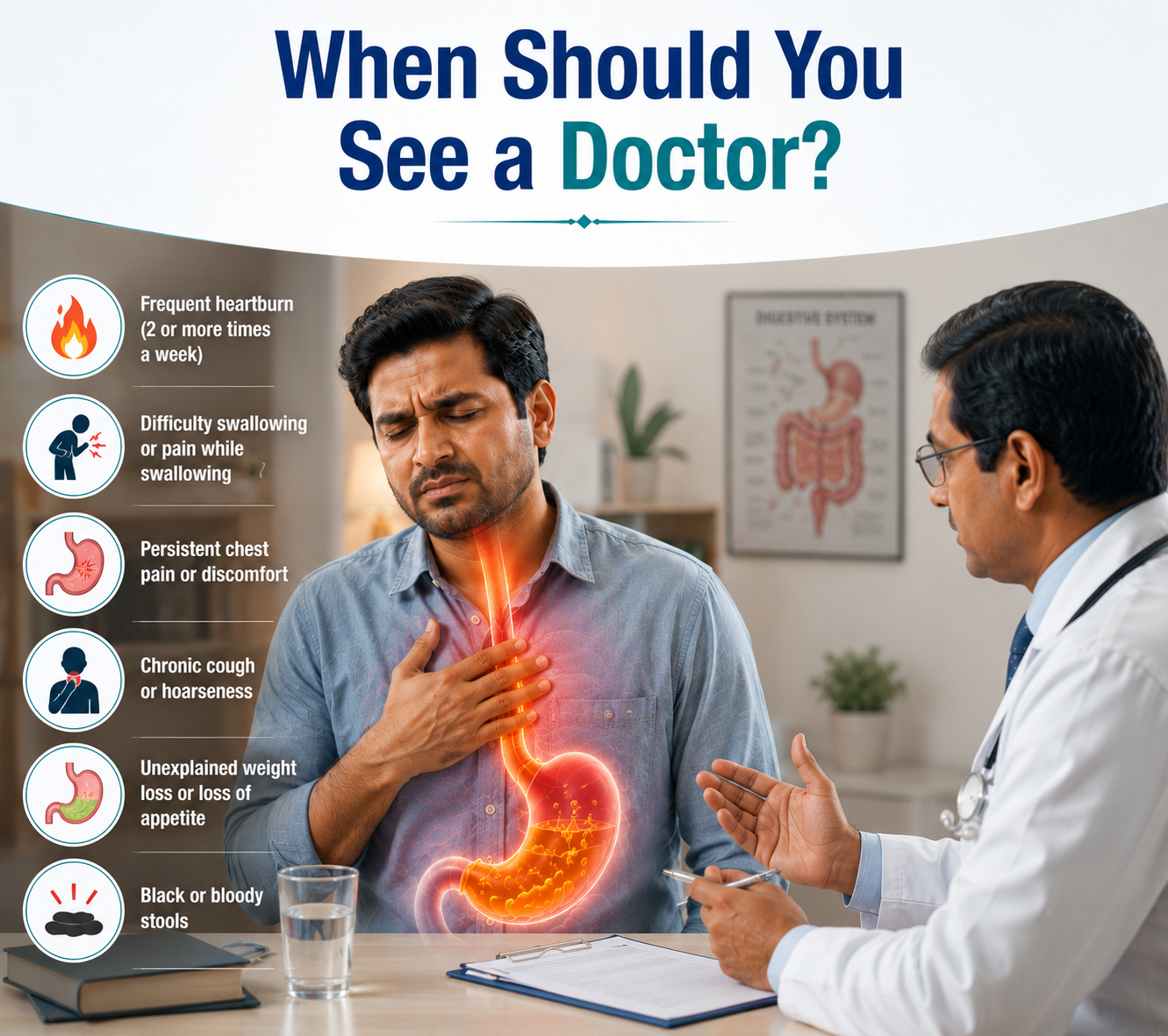
While GERD can often be managed effectively, certain symptoms require prompt medical attention. See a gastroenterologist if you experience:
- Difficulty swallowing that worsens over weeks or months, or a feeling that food is getting stuck regularly.
- Unintentional weight loss without any change in diet or exercise.
- Vomiting blood or noticing blood in your vomit (it may appear red or look like coffee grounds).
- Black, tarry stools, which can indicate bleeding in the digestive tract.
- Severe or sudden chest pain – always get this evaluated to rule out a cardiac cause, even if you suspect acid reflux.
- Persistent symptoms despite taking over-the-counter antacids or PPIs for more than two months.
If you recognise any of these warning signs in yourself or a family member, do not wait. Early evaluation prevents complications and gives you more treatment options.
Living with GERD: Long-Term Management
GERD affects more than your digestion. It disrupts your sleep, limits what you can eat at social gatherings, and creates a daily undercurrent of anxiety about when the next flare-up will hit. If you have lived with this condition for months or years, you know exactly what that feels like.
Long-term management is about more than medication. It includes:
- Sleep Positioning: Sleeping on your left side with the head of your bed elevated reduces nighttime reflux significantly. This is one of the simplest and most effective changes you can make tonight.
- Meal Timing: Eat your last meal at least 2–3 hours before bed. In Indian households where dinner often happens at 9–10 PM, this may mean adjusting family routines — but it makes a measurable difference.
- Stress Management: Your gut has more nerve endings than any organ outside the brain. Regular physical activity, yoga, pranayama, or even a consistent sleep schedule can reduce the frequency and intensity of flare-ups.
- Regular Follow-Ups: Whether you are on medication, pursuing Combination Therapy, or managing with lifestyle changes alone, periodic check-ins with your doctor ensure your approach is actually working and that your esophagus is healing.
Many patients who have switched from symptom suppression to a root-cause approach report that the biggest change is not just fewer symptoms but the freedom from daily dependence on medication and the confidence that comes with knowing the underlying problem is being addressed.
Key Takeaways
GERD is a chronic condition, not “just acidity”, and it deserves a treatment approach that matches its seriousness. Here is what matters most:
- If you experience heartburn or regurgitation two or more times a week for several weeks, you likely have GERD, not occasional acidity. Get a proper diagnosis.
- Lifestyle changes such as weight management, meal timing, trigger avoidance, and stress reduction are foundational, no matter which treatment path you choose.
- PPIs are effective short-term, but long-term dependency without addressing the root cause leaves many patients stuck in a cycle of symptom suppression and return.
- Single-system treatments, whether allopathic, Ayurvedic, or Homeopathic alone, each address part of the problem. Combination Therapy brings Advanced Homeopathy and customised Ayurveda together to address both the constitutional root cause and the gut damage simultaneously.
You do not have to live with daily medication as your only option. A doctor-supervised, personalised Combination Therapy protocol can work toward lasting relief.

Frequently Asked Questions (FAQs):
Q1. Is GERD curable or is it a lifelong condition?
A. GERD can be effectively managed, and many patients achieve lasting remission with the right approach. While conventional medication controls symptoms for as long as you take it, root-cause treatments like Combination Therapy aim to correct the underlying dysfunction so that your body can manage acid production on its own. Outcomes depend on severity, how long you have had GERD, and the treatment approach chosen.
Q2. What is the difference between acidity and GERD?
A. Acidity is a common term for occasional acid reflux, usually triggered by specific foods or overeating. GERD is diagnosed when acid reflux occurs two or more times per week over several weeks and causes persistent symptoms or esophageal damage. Occasional acidity resolves with simple dietary changes, while GERD requires a structured treatment plan under medical guidance.
Q3. Can GERD be treated without PPIs?
A. Yes. Lifestyle modifications, dietary changes, and root-cause therapies such as Combination Therapy — which uses Advanced Homeopathy for constitutional correction and customised Ayurveda for gut healing — offer an alternative path. Many patients who felt dependent on PPIs have found lasting improvement through this approach. Consult a qualified specialist to determine which option suits your specific situation.
Q4. What are the long-term risks of taking PPIs?
A. Research has linked prolonged PPI use beyond one year to potential concerns, including vitamin B12 and magnesium deficiency, increased bone fracture risk, and kidney-related effects. This does not mean PPIs are unsafe for short-term use, but it supports having a conversation with your doctor about long-term management strategies if you have been on PPIs for over a year.
Q5. What Indian foods should I avoid if I have GERD?
A. Common triggers include deep-fried snacks like pakoras and samosas, excessively spicy curries, citrus fruits, tomato-based gravies, tea and coffee on an empty stomach, carbonated drinks, and heavy late-night meals. Triggers vary between individuals, so maintaining a food diary for 2–3 weeks helps identify your personal triggers more accurately than following a generic list.
Q6. Can Ayurveda and Homeopathy together treat GERD?
A. Yes, this is the basis of Combination Therapy. Ayurveda excels at healing and strengthening the gut lining through herbs and Pitta-balancing protocols, while Advanced Homeopathy addresses the individual constitutional imbalance that makes you prone to reflux. When combined in a customised protocol, these two systems address GERD from both sides, something neither system achieves as effectively on its own.
Q7. Can stress cause GERD?
A. Stress does not directly cause GERD but can significantly worsen symptoms. It increases esophageal sensitivity to acid, may alter gastric motility, and often triggers reflux-promoting behaviours like overeating, smoking, or irregular meals. Stress management through yoga, pranayama, regular exercise, and adequate sleep is a core part of GERD management across both conventional and traditional medicine systems.
Q8. When should I be worried about my acidity?
A. Seek medical attention if you experience heartburn more than twice a week for several weeks, difficulty swallowing that worsens, unintentional weight loss, vomiting blood, black stools, or chest pain. Also consult a doctor if over-the-counter antacids no longer provide relief, or if you have been self-medicating with PPIs for more than two months without a formal diagnosis.
- Katz PO, Dunbar KB, et al. ACG Clinical Guideline for the Diagnosis and Management of Gastroesophageal Reflux Disease. Am J Gastroenterol. 2022;117(1):27-56. DOI: 10.14309/ajg.0000000000001538
- Gyawali CP, et al. Modern Diagnosis of GERD: the Lyon Consensus 2.0. 2024;73(2):361-371. DOI: 10.1136/gutjnl-2023-330616
- Bhatia SJ, et al. Indian Consensus on Gastroesophageal Reflux Disease in Adults. Indian J Gastroenterol. 2019;38(3):411-440. DOI: 10.1007/s12664-019-00979-y
- Richter JE, Rubenstein JH. Presentation and Epidemiology of GERD. 2018;154(2):267-276. DOI: 10.1053/j.gastro.2017.07.045
- Gastroesophageal Reflux (GER & GERD) in Adults. Updated 2024. https://www.niddk.nih.gov/health-information/digestive-diseases/acid-reflux-ger-gerd-adults
- ICD-10: K21.0 — Gastro-esophageal reflux disease. https://icd.who.int/browse10/2019/en#/K21
- Mehta RS, Nguyen LH, Ma W, Staller K, Song M, Chan AT. Association of Diet and Lifestyle With the Risk of Gastroesophageal Reflux Disease Symptoms in US Women. JAMA Intern Med. 2021;181(4):552-554. DOI: 10.1001/jamainternmed.2020.7238
- Sharma H, et al. Clinical Evaluation of Amlapitta (Hyperacidity) and its Management with Ayurvedic Formulations. J Ayurveda Integr Med. [Most recent available study]
Medical Disclaimer
This article is for informational and educational purposes only and is not a substitute for professional medical advice, diagnosis, or treatment. Always seek the advice of your physician or other qualified health provider with any questions about a medical condition. The mention of Ayurvedic and Homeopathic treatments is for educational purposes; any alternative treatment should be pursued under qualified medical supervision. No treatment outcomes are guaranteed, and individual results may vary based on severity, duration of condition, and adherence to the prescribed protocol.