
Last updated on August 12th, 2026 at 04:33 pm
If you are struggling with hormonal ups and downs or trying to conceive, it can be emotionally draining for you.
You may be confused by the irregular cycles, confusing symptoms, and long waiting periods. If you are searching for a gentle, supportive option to tackle these issues, we are here to help.
That’s why natural Ayurvedic approaches are commonly associated with hormonal balance and your entire body’s support. Ayurveda believes fertility depends on your hormones, nutrition, stress levels, and reproductive tissue health working together.
For centuries, Shatavari benefits for female fertility and hormonal health have been widely acknowledged, making it one such herb valued in traditional wellness systems.
Using this herb consistently means moving towards hormonal balance and long-term reproductive wellness.
What is Shatavari, and why is it used for Female Fertility?
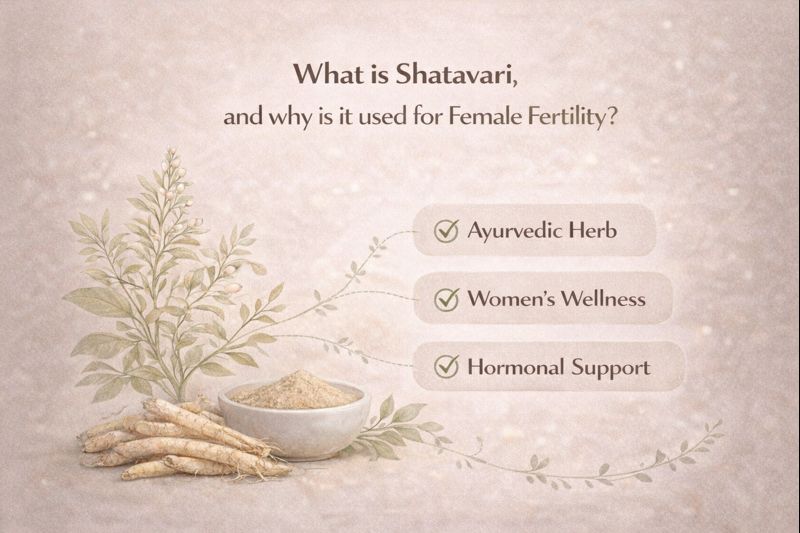
Shatavari is a traditional herb that is classified as a rasayana (rejuvenator) in Ayurveda. Rasayana is an herb that supports nourishment and rejuvenates your entire system.
Shatavari is traditionally used to strengthen the reproductive system and support hormonal balance. It works like a nourishing agent for the female reproductive system.
As per Ayurveda, your reproductive system is closely linked to the quality of body tissues, hormonal balance, and emotional well-being. Shatavari helps female fertility by nourishing reproductive tissues, which helps your body manage internal balance.
How is shatavari different from other herbs?
The answer is its role as a female-specific rasayana. While other herbs have great benefits for your overall health, female-centric rasayanas are traditionally chosen for their closeness to the female reproductive system and hormonal cycles.
Shatavari Benefits for Female Fertility
Many factors influence female fertility. Hormonal balance, regular ovulation, nourishment of the reproductive system, and the ability to manage emotional and physical stress are some of the major factors.
Shatavari looks after all of them rather than focusing on a single one. This helps your body gradually move towards balance and resilience.
Stress plays a big role in female fertility. It affects hormonal balance, ovarian function, and egg quality slowly. If the mental and lifestyle stress persists for a long time, they increase oxidative stress in the body, which may interfere with the normal reproductive processes.
Shatavari is used in such situations, with its nourishing and antioxidant-oriented properties. Here are its benefits for female fertility in detail:
Hormonal Balance and Cycle Regularity
Shatavari for Ovulation and Fertility
Supporting Reproductive Health and Uterine Nourishment
Egg Quality, Stress & the Mind–Body Connection
To experience these benefits, it’s important to choose a clean, authentic Shatavari powder that’s minimally processed and thoughtfully sourced for women’s wellness.
How to Take Shatavari for Fertility
Shatavari can help you with fertility. As per Ayurveda, consistent and mindful use of shatavari rather than short-term or intensive intake gives you better results. The focus is to support your body gently, consistently, and slowly.
Shatavari Dosage & Consistency (General Guidance)
Best Time and Way to Take Shatavari
If you’re starting your routine, a pure Shatavari powder allows flexible dosing and traditional preparation with warm milk or water.
Shatavari and PCOS-Related Fertility Concerns
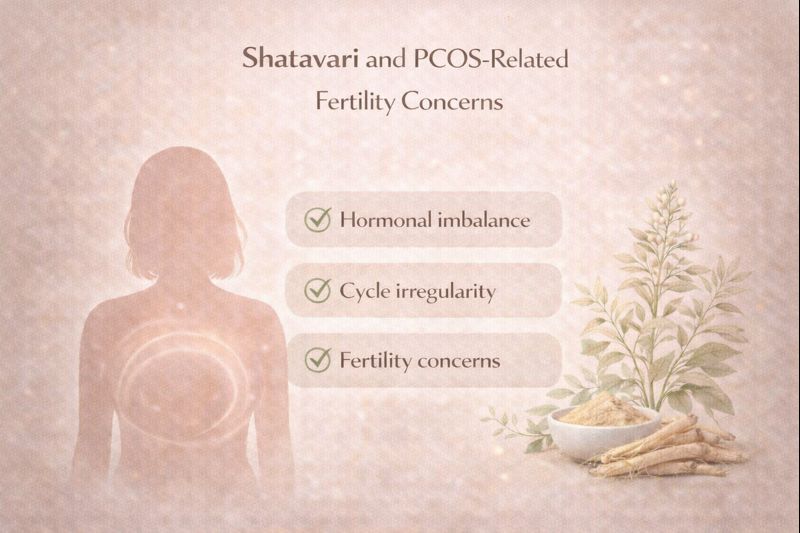
PCOS (Polycystic Ovarian Syndrome) is a condition in which women may have irregular menstrual cycles, delayed ovulation, and hormonal imbalance. It may affect each woman differently, but the condition is mostly caused by disrupted hormonal signals. This makes conception a struggle for you.
Ayurveda believes that overall body harmony is important for hormonal balance. That’s why achieving balance rather than targeting a single symptom is more important. Ayurveda focuses on hormonal balance, stress reduction, metabolism, and the health of your reproductive tissues.
Shatavari is used as a supportive herb in Ayurveda to help boost hormone balance, metabolism, and tissue health. Traditionally, it is used to calm your system and reduce stress, and to fight all signs of PCOS and fertility issues created by it.
How Long Does Shatavari Take to Show Results for Fertility?
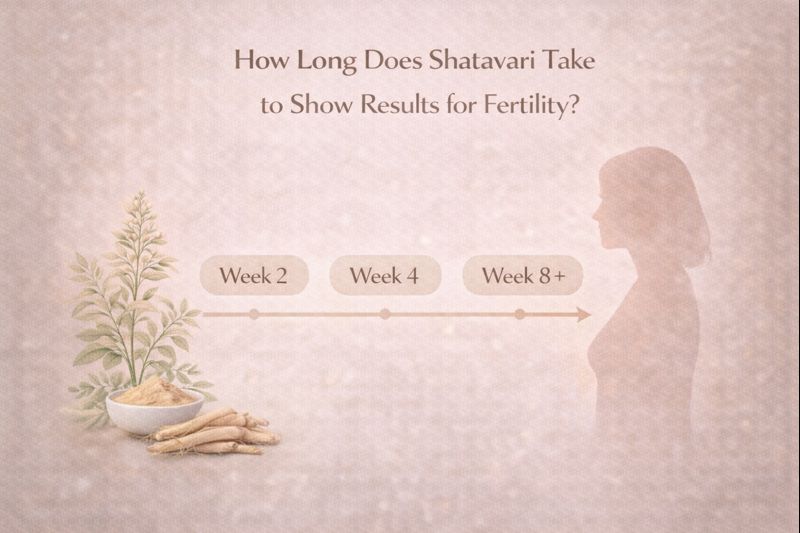
Shatavari is used as a supportive herb that works gradually in Ayurveda. It means it will take weeks and months rather than days to get the results you are expecting. This slow timeline also reflects on the way fertility itself functions, as hormonal balance and reproductive health improve with time, not overnight.
Also, fertility improvement is a gradual process as it involves multiple systems in your body. To conceive, these systems need to work together. Ayurvedic practitioners use shatavari, keeping this long-term goal in mind.
The pace of results may vary person to person and depends on many other factors, like diet, stress levels, sleep quality, and how consistently the herb is used. So, along with consuming the herb as a supplement, you need to take care of all these factors, which is why patience and routine are emphasized in traditional practice.
Shatavari as Part of a Holistic Fertility Approach

In traditional practice, shatavari is believed to be most effective when it is part of a well-rounded fertility routine, rather than using it in on its own.
You need a holistic approach that looks at all the factors that contribute to healthy reproductive health. Here are these factors:
- A balanced meal, complete nourishment, and regular eating patterns will help you support hormonal balance and reproductive issues.
- You need to practice proper rest, gentle exercise, yoga, meditation, and mindfulness to help your body manage stress more effectively.
- Professional evaluation is important to find out underlying conditions and ensure safe and informed fertility care. So, reach out to the doctor when needed.
- Ayurvedic principles focus on nourishment and balance, while modern healthcare offers diagnostics and clinical insight. Together, they create a more complete fertility support framework.
Safety, Precautions & Who Should Consult a Doctor

Shatavari is commonly perceived as a supportive herb, but you should use it mindfully and only after consulting a certified practitioner. You should consider consulting a qualified healthcare professional if you fall into any of the following categories:
- Pregnancy and Breastfeeding: Always seek professional guidance before use, as nutritional and hormonal needs differ during these stages.
- Existing Hormonal Conditions: Conditions affecting hormones require personalized assessment to ensure herbal support is appropriate.
- Medication Interactions: Shatavari may interact with certain medications, so it’s important to discuss all ongoing treatments with a doctor.
Professional guidance helps you ensure that you are using Shatavari safely, as part of a broader fertility or hormonal health plan rather than as a replacement for medical care.
Takeaway
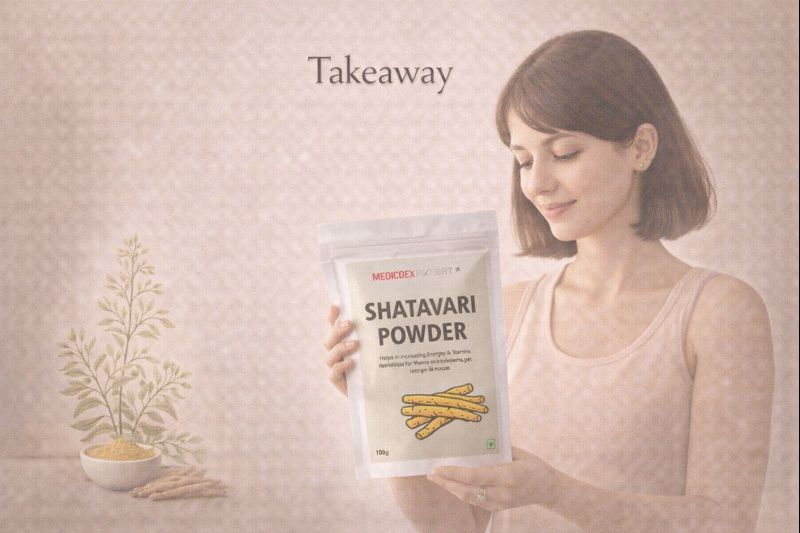
Shatavari is a supportive Ayurvedic herb, and you should not think of it as a cure for infertility. It can boost your fertility gradually. Its traditional role is to nourish your body, boost internal balance, and support reproductive health. The outcome will be gradual, not instant.
You need to be patient and consistent with your self-care routine to improve fertility and hormonal balance. That needs to be combined with balanced nutrition, stress management, and proper medical guidance. Then, shatavari can fit naturally into your mindful fitness routine and give you long-term benefits in your reproductive health.
Apart from that, you also need to listen to your body and get professional help to make sure that you are taking shatavari safely and realistically as part of your goal to boost fertility.
If you’re looking for a natural, female-focused Shatavari powder to support fertility and hormonal balance, you can explore our carefully sourced Shatavari powder here.
Frequently Asked Questions (FAQs)
Q1. Can Shatavari be taken along with prenatal or fertility supplements?
A. Shatavari is used alongside other supplements in wellness routines, but combining products should be done thoughtfully. Since individual needs vary, it’s best to consult a healthcare professional before pairing it with prenatal or fertility-focused supplements.
Q2. Is there an age limit for using Shatavari for hormonal support?
A. Shatavari is used across different life stages in Ayurveda, from reproductive years to perimenopause. But the way it fits into a routine may differ based on age, hormonal needs, and overall health.
Q3. Can Shatavari be taken during IVF or assisted fertility treatments?
A. Some women explore Ayurvedic support during assisted fertility journeys, but herbal use during IVF or similar treatments should only be considered with the approval of a fertility specialist to avoid interference with medical protocols.
Q4. Should Shatavari be taken continuously or in cycles?
A. Traditional practices may recommend either continuous or periodic use person to person basis. A qualified practitioner can help determine what approach aligns best with your body and fertility goals.
Q5. Does Shatavari affect menstrual flow or cycle length?
A. Shatavari is traditionally associated with nourishing reproductive balance, which may influence cycles over time. Any noticeable changes should be observed and discussed with a professional if they cause concern.
Q6. How do I know if Shatavari is working for my body?
A. Rather than immediate changes, signs are often subtle and gradual, such as improved cycle awareness, better stress management, or overall hormonal steadiness. Tracking changes over time can help you understand how your body responds.
References
Relevant Articles For You
Shatavari for Menopause
Shatavari is an Ayurvedic herb that is used to support women’s health at different life stages. It comes from the root of the…..Read More
Shatavari Benefits for Women
Shatavari is a traditional Ayurvedic herb that is used to support women’s reproductive health and hormonal balance. It is…..Read More
Recommendations To Understand Different Treatments
Gynaecology Treatment in India
Over the past couple of decades, gynecology treatment in India has seen a substantial progress with procedures being done through the…..Read More
Medically Reviewed by MedicoExperts Editorial & Clinical Review Board on 2 February 2026
Medical Disclaimer: This content is for informational purposes only and is not intended as medical advice, diagnosis, or treatment. Always seek the advice of your physician or other qualified healthcare provider regarding any medical condition or dietary needs.