Last updated on August 25th, 2026 at 06:59 pm
To detox your liver naturally, combine a diet rich in cruciferous vegetables and antioxidant foods, adequate daily hydration, regular moderate exercise, and targeted Ayurvedic herbal support. Your liver already detoxifies over 500 metabolic processes per day – these five methods help it work more efficiently, reduce fat accumulation, and protect liver cells from oxidative damage.
Read More
Liver disease affects an estimated 10 crore (100 million) Indians, with fatty liver now the most common liver disorder in urban populations – often driven by refined carbohydrate intake, sedentary lifestyles, and metabolic stress (ICMR, 2023). Many people searching for how to detox the liver naturally are not yet at a disease stage; they experience fatigue, bloating after meals, sluggish digestion, or simply want to take preventive action.
This guide covers five evidence-informed, Ayurveda-integrated methods – diet, hydration, intermittent fasting, exercise, and herbal supplementation – with practical steps for each and a clear explanation of what the science and traditional medicine actually say.
5 Signs Your Liver May Need Nutritional Support
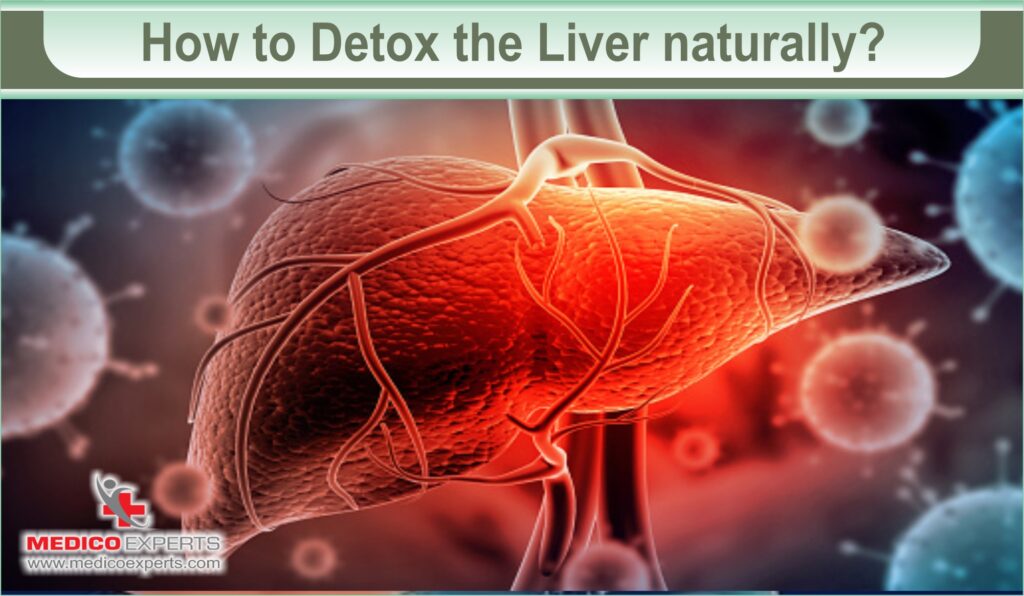
Your liver rarely sends obvious distress signals until damage is significant. These early warning signs suggest your liver is under metabolic stress and could benefit from dietary and lifestyle intervention:
- Persistent fatigue not explained by poor sleep – fatigue is the most commonly reported symptom in non-alcoholic fatty liver disease (NAFLD), affecting the majority of patients in clinical studies. The precise mechanism is still being researched, but is thought to involve disrupted metabolic signalling, mitochondrial dysfunction, and the systemic inflammation that accompanies hepatic stress.
- Abdominal bloating and heaviness, especially after fatty or fried meals – a sign bile production or flow may be suboptimal.
- Elevated liver enzymes (ALT/AST) on a routine blood test – ALT is the most liver-specific enzyme marker. Most labs flag values above 40 U/L as elevated, but current hepatology guidelines suggest the true upper limit of normal is lower: approximately 29–35 U/L for men and 19–25 U/L for women. If your ALT is trending upward, even within the “normal” range printed on the report, it is worth discussing with your physician alongside dietary review.
- Dull, sallow, or blemish-prone skin – oxidative stress associated with impaired liver function affects how efficiently the skin’s own cells process bilirubin and clear toxins. Persistently dull or sallow skin tone can reflect increased systemic oxidative burden. Important: visibly yellow skin or yellowing of the whites of the eyes (jaundice) is a different and more serious sign that requires prompt medical evaluation – not a dietary intervention.
- Difficulty losing weight despite caloric restriction – the liver is central to fat metabolism and the regulation of insulin sensitivity. NAFLD is associated with insulin resistance, which can make initial weight loss slower and harder to achieve compared to individuals without fatty liver disease. Research shows NAFLD patients are significantly less likely to reach a 5% weight loss target at 3 months on a calorie-restricted diet.
Method 1 — Eat a Liver-Friendly Diet
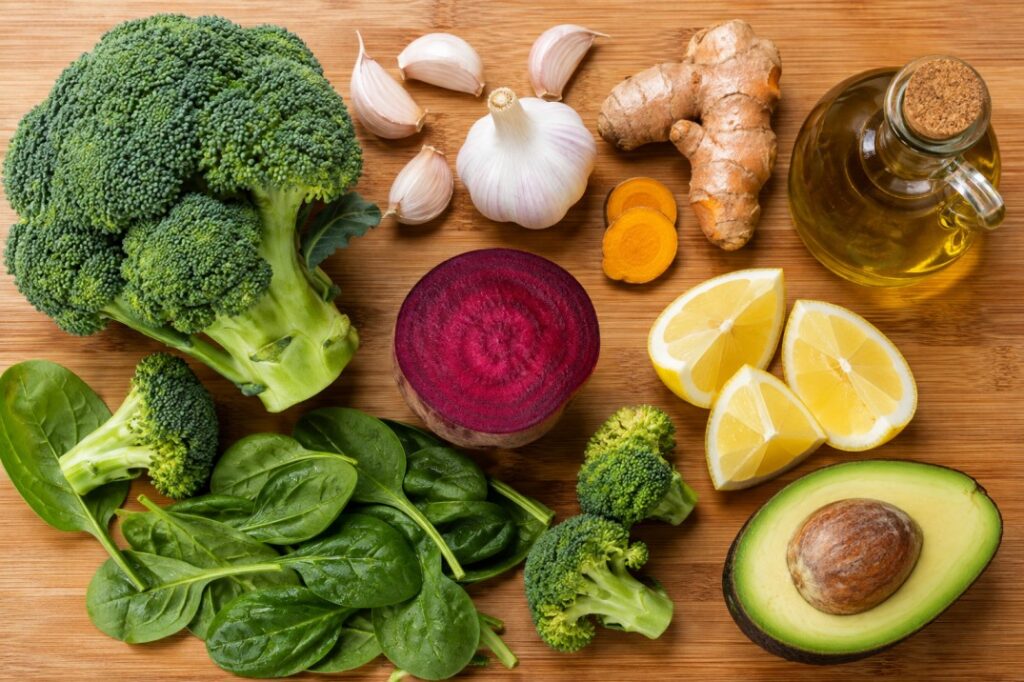
A liver-friendly diet reduces the metabolic load on hepatocytes (liver cells) while supplying the micronutrients needed for Phase I and Phase II detoxification pathways.
The liver uses glutathione, B vitamins, and sulphur-containing compounds to neutralise toxins – your diet either replenishes or depletes these resources.
Key Foods and Their Mechanisms
| Food | Active Compound | Liver Mechanism | Evidence Level |
| Cruciferous vegetables (broccoli, cauliflower) | Glucosinolates | Induce Phase II detox enzymes; increase glutathione production | Human trial data (moderate) |
| Leafy greens (spinach, methi) | Chlorophyll | Neutralises aflatoxins; supports bile flow | Animal + traditional use |
| Garlic | Allicin, sulphur compounds | Activates liver enzymes for toxin elimination (PMC: 31480423) | Human trial data (moderate) |
| Turmeric (haldi) | Curcumin | Anti-inflammatory; protects against oxidative liver damage | Animal study; human trials ongoing |
| Beetroot | Betaine, betalains | Reduces liver fat; promotes bile production | Animal study; traditional use |
| Avocado, olive oil, walnuts | Monounsaturated fats, omega-3 | Promote bile production; reduce hepatic fat accumulation | Human trial data (moderate) |
| Citrus fruits (lemon, amla, orange) | Vitamin C | Cofactor for detox enzyme synthesis (PMC: 4499388) | Human trial data (moderate) |
Method 2 — Stay Hydrated to Support Liver Filtration
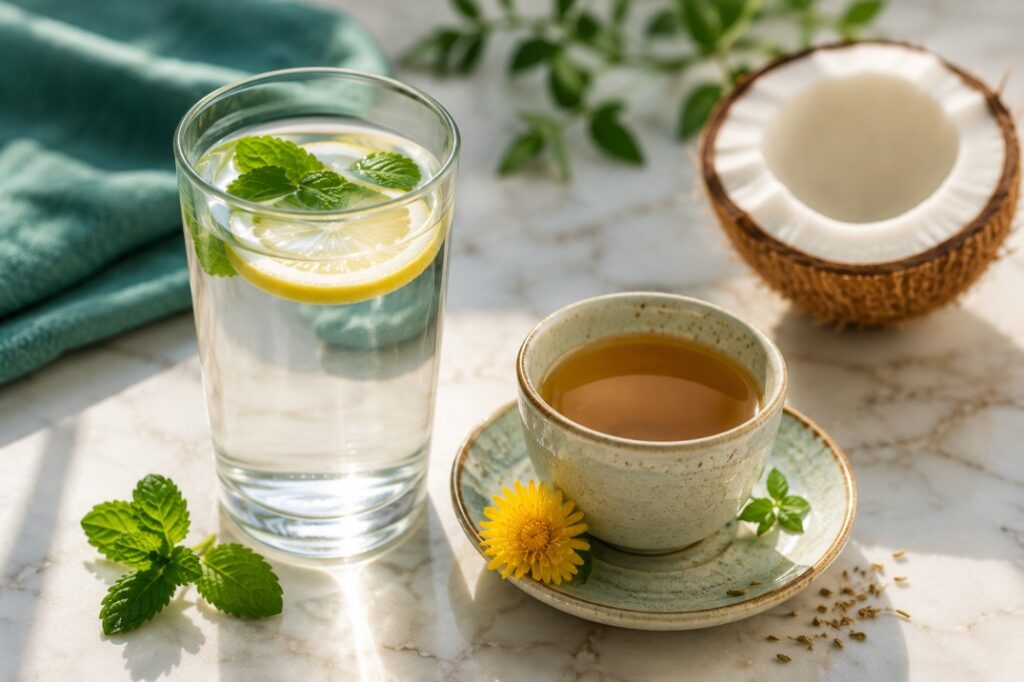
The liver filters approximately 1.4 litres of blood per minute. Adequate hydration maintains blood viscosity and ensures toxins move efficiently through hepatic filtration.
Dehydration forces the liver to work harder, slowing the conversion of fat-soluble toxins to water-soluble metabolites that can be excreted.
- Water: minimum 2.5–3 litres/day for adults in Indian climate (higher than the global 2-litre recommendation due to heat and perspiration). Plain water is optimal; warm water first thing in the morning stimulates bile flow – a practice consistent with both modern physiology and Ayurvedic dinacharya.
- Coconut water: naturally provides electrolytes (potassium, magnesium) that support hepatic cell membrane function. Preferred over commercial electrolyte drinks that contain added sugar.
- Dandelion root tea (Taraxacum officinale): mild cholagogue (bile stimulant) with early clinical evidence supporting liver enzyme normalisation. One of the 11 herbs in L Clenz Vati.
- Limit alcohol: even moderate alcohol (2 units/day) raises ALT levels. For individuals with existing fatty liver, zero alcohol is the clinically recommended threshold (EASL Guidelines, 2023).
- Avoid excessive caffeine and sugar-sweetened beverages: high-fructose drinks directly increase hepatic fat synthesis – a key driver of NAFLD.
Read -> 6 Detox drinks for a healthy liver
Method 3 — Intermittent Fasting for Liver Fat Reduction
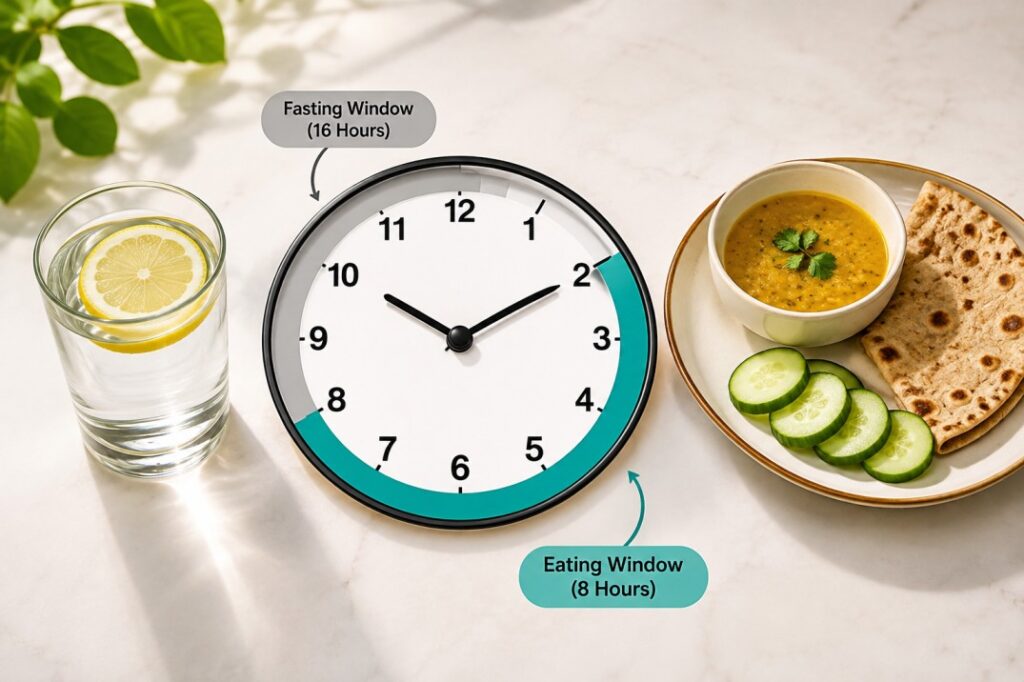
Intermittent fasting (IF) reduces hepatic fat accumulation by shifting the liver from glucose metabolism to fat oxidation during fasting windows.
A 2022 randomised controlled trial in the Journal of Hepatology found that 12 weeks of 16:8 intermittent fasting reduced liver fat content by 29% compared to a control diet in patients with NAFLD – making it one of the most evidence-backed non-pharmacological interventions for liver health.
Choosing the Right Fasting Protocol
| Protocol | Structure | Best For | Liver Benefit Evidence |
| 16:8 | Fast 16 hrs (including sleep); eat within 8-hr window | Most working adults; easiest to sustain | Strongest — multiple RCTs showing liver fat reduction |
| 5:2 | Normal eating 5 days; ~500 kcal on 2 non-consecutive days | Those who find daily windows restrictive | Moderate — observational data; less liver-specific RCT data |
| 12:12 (entry level) | Fast 12 hrs (e.g., 8pm–8am) | Beginners, elderly, those with blood sugar sensitivity | Mild — good starting point; less studied specifically for liver |
Caution: People with diabetes, hypoglycaemia, or those on hepatotoxic medications should consult a physician before beginning any fasting protocol. Intermittent fasting alone does not substitute medical treatment for diagnosed liver disease.
Method 4 — Exercise to Reduce Hepatic Fat

Physical activity reduces liver fat independently of weight loss.
A meta-analysis published in Alimentary Pharmacology & Therapeutics (2017) covering 12 trials found that aerobic exercise reduced liver fat by approximately 20–30% in NAFLD patients – even without significant body weight change.
Exercise increases insulin sensitivity, which directly reduces de novo lipogenesis (fat production) in the liver.
- Aerobic exercise (most effective for liver fat): brisk walking 30–45 min/day, cycling, swimming. Aim for 150 min/week of moderate-intensity activity per WHO guidelines.
- Resistance training: 2–3 sessions/week of bodyweight or weight exercises reduce hepatic triglyceride content and improve metabolic markers.
- Yoga – specific poses: Dhanurasana (bow pose), Ardha Matsyendrasana (half spinal twist), and Pavanamuktasana (wind-relieving pose) compress and stimulate abdominal organs, improving portal blood flow to the liver. Traditional Ayurvedic yoga practice, now supported by small clinical observations.
- Sedentary behaviour warning: sitting for more than 8 hours/day is associated with a 55% higher risk of NAFLD independent of BMI (Gut, 2020). Even 5-minute movement breaks every hour measurably improve liver enzyme profiles.
Method 5 — Ayurvedic Herbal Support: How L Clenz Vati Works
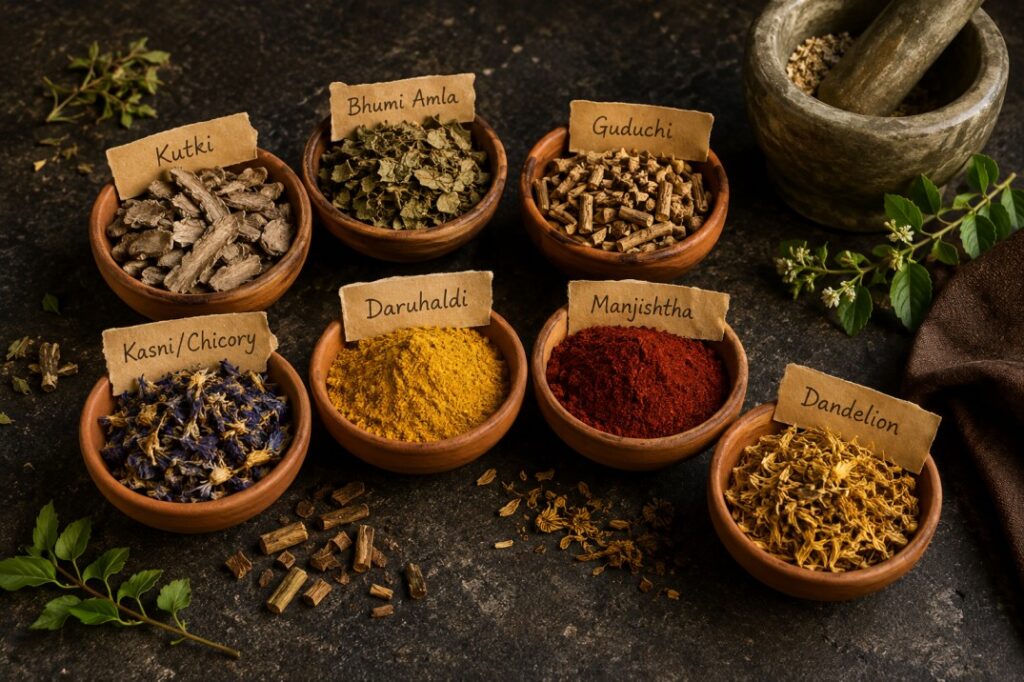
Ayurveda classifies the liver (Yakrit) as the seat of Pitta dosha – responsible for metabolism, transformation, and detoxification.
Classical Ayurvedic hepatoprotective herbs work through three mechanisms: stimulating bile flow (cholagogue action), protecting liver cells from oxidative damage (hepatoprotective action), and reducing hepatic inflammation.
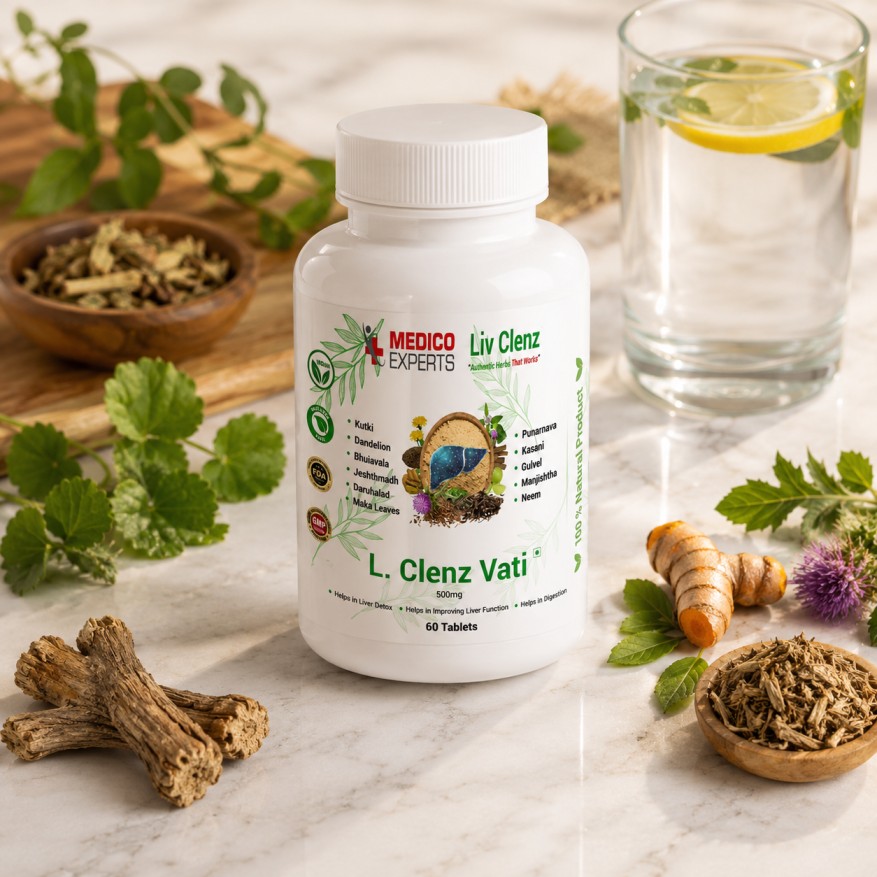
MedicoExperts L Clenz Vati combines 11 of these herbs in a single daily formulation.
Key Herbs in L Clenz Vati and Their Evidence
| Herb | Ayurvedic Classification | Primary Liver Action | Evidence Level |
| Kutki (Picrorhiza kurroa) | Tikta (bitter), Pitta-pacifying | Stimulates bile production; hepatoprotective (PMC10105242) | Human trial data — liver enzyme reduction demonstrated |
| Bhumi Amla (Phyllanthus niruri) | Kasaya, Hepatoprotective | Antiviral; protects hepatocytes from toxin-induced damage | Human trial data (Hepatitis B models); traditional use |
| Punarnava (Boerhavia diffusa) | Rasayana (rejuvenating) | Regenerates liver cells; anti-inflammatory | Animal study + traditional use |
| Guduchi (Tinospora cordifolia) | Tikta, immunomodulatory | Reduces liver inflammation; supports immune-mediated liver protection | Human trial data (moderate) |
| Kasni / Chicory (Cichorium intybus) | Ushna (warming) | Choleretic (bile stimulant); liver enzyme normalisation | Human trial data (moderate) |
| Dandelion (Taraxacum officinale) | Tikta, diuretic | Bile flow stimulation; antioxidant | Early clinical evidence |
| Daruhaldi (Berberis aristata) | Tikta, antimicrobial | Anti-inflammatory; berberine reduces liver fat accumulation | Human trial data (berberine RCTs for NAFLD) |
| Manjishtha (Rubia cordifolia) | Varnya (blood purifier) | Antioxidant; supports lymphatic and hepatic detox pathways | Traditional use; limited clinical data |
Expected Results Timeline (based on L Clenz Vati user data)
| Period | What Users Experienced | Key Metric |
| Week 2–4 | Reduced bloating after meals; improved morning energy; better bowel regularity | 92% reported bloating reduction |
| Week 4–8 | Liver detoxification process intensifies; significant bloating reduction; improved digestion | Majority reported symptom improvement |
| Week 8–12 | Sustained liver function improvement; healthy liver function markers | 87% experienced improved liver function; 85–90% overall satisfaction on 3-month pack |
Dosage protocol: 1 tablet after lunch + 1 tablet after dinner, consistently at the same time each day. For best results, take alongside diet and lifestyle changes described in Methods 1–4. L Clenz Vati is FDA-Approved, Lab-Certified, 100% natural, and vegetarian.
Key Takeaways — Your Liver Detox Action Plan
The five methods above are most effective when used together, not in isolation. Here is a practical starting point:
- Diet: Add one cruciferous vegetable and one citrus/amla source daily. Reduce refined carbohydrates and fried food.
- Hydration: Start every morning with 300ml warm water. Reach 2.5–3 litres total by the end of the day.
- Fasting: Begin with 12:12 (finish dinner by 8 pm, eat breakfast after 8 am). Progress to 16:8 if tolerated.
- Exercise: 30 minutes of brisk walking, 5 days per week. Add 2 yoga sessions per week targeting abdominal poses.
- Ayurvedic support: Take L Clenz Vati (1 tablet after lunch, 1 tablet after dinner) consistently for a minimum of 8–12 weeks alongside lifestyle changes for measurable results.
Your liver has remarkable regenerative capacity – mild to moderate fatty liver can show measurable improvement within 8–12 weeks of consistent lifestyle change.
These methods reduce the metabolic burden on liver cells, replenish the compounds used in detoxification pathways, and protect hepatocytes from ongoing oxidative damage.
For personalised guidance – especially if you have elevated liver enzymes, diagnosed fatty liver, or are on medication – consult a qualified Ayurvedic or integrative physician before making significant changes.
Frequently Asked Questions :
Q1. How long does it take to detox your liver naturally?
A: Natural liver detoxification is not a one-time event — it is an ongoing process. Measurable improvements in liver enzyme levels (ALT/AST), reduced fatty liver on ultrasound, and subjective improvements in energy and digestion typically appear within 8–12 weeks of consistent diet changes, regular exercise, and herbal support. Mild NAFLD can show significant reversal within 3–6 months when lifestyle changes are sustained alongside Ayurvedic supplementation.
Q2. Can L Clenz Vati help with fatty liver disease?
A: L Clenz Vati contains herbs with documented hepatoprotective and fat-reducing properties. Kutki (Picrorhiza kurroa) stimulates bile production, which aids fat metabolism. Daruhaldi contains berberine — a compound shown in clinical trials to reduce liver fat accumulation. Bhumi Amla protects hepatocytes from toxin-induced damage. While L Clenz Vati supports liver health, it is most effective as part of a broader diet and lifestyle programme and should not replace medical treatment for diagnosed fatty liver disease.
Q3. Is intermittent fasting safe for liver health in India?
A: Intermittent fasting is generally safe for healthy adults and has strong evidence for reducing liver fat, particularly in NAFLD. The 16:8 protocol – eating between 10 am and 6 pm or 12 pm and 8 pm – fits well with typical Indian meal patterns. However, individuals with diabetes, hypoglycaemia, or those on medications affecting blood glucose must consult a physician first. Beginning with a 12:12 protocol is the safest entry point for most Indian adults.
Q4. Which Ayurvedic herbs are best for liver detox?
A: The most evidence-backed Ayurvedic herbs for liver detoxification are Kutki (Picrorhiza kurroa), Bhumi Amla (Phyllanthus niruri), Guduchi (Tinospora cordifolia), Kasni (Chicory), and Daruhaldi (Berberis aristata). Each acts through a distinct mechanism – bile stimulation, hepatocyte protection, anti-inflammation, or antioxidant activity. L Clenz Vati combines all five of these, along with six additional herbs, into a standardised daily dosage, removing the complexity of sourcing and preparing individual herbs.
Q5. Can liver detox methods be used alongside regular medication?
A: Dietary changes such as increasing vegetables and hydration are generally safe alongside any medication. However, certain Ayurvedic herbs – particularly Kutki and Guduchi – may interact with immunosuppressants, anticoagulants, or antidiabetic medications. Before taking any herbal supplement, including L Clenz Vati alongside prescription medication, consult your treating physician or a qualified Ayurvedic practitioner who can review your full medication list.
Q6. How does natural liver detox differ from a liver cleanse?
A: A liver detox refers to sustained lifestyle practices – diet, hydration, exercise, herbal supplementation – that support the liver’s own continuous detoxification processes over weeks to months. A liver cleanse typically refers to short-duration protocols (1–7 days) using specific food combinations, juices, or formulas. Research favours sustained lifestyle changes over short cleanses for meaningful, measurable liver health improvements. The methods described in this guide are designed for long-term liver support rather than short-term flushing.
- Karkos, P.D. et al. (2011). Spirulina in clinical practice: evidence-based human applications. Evidence-Based Complementary and Alternative Medicine. PMC3136577.
- Fan, J.G. et al. (2022). Intermittent fasting improves non-alcoholic fatty liver disease: randomised controlled trial. Journal of Hepatology. DOI: 10.1016/j.jhep.2022.05.001.
- Zhang, H.J. et al. (2017). Aerobic exercise reduces liver fat in NAFLD: meta-analysis. Alimentary Pharmacology & Therapeutics. DOI: 10.1111/apt.14034.
- Abenavoli, L. et al. (2010). Milk thistle in liver diseases: past, present, future. Phytotherapy Research. PMC2933252.
- NCT-Kutki evidence: PMC10105242 — Picrorhiza kurroa and bile production.
- https://www.ncbi.nlm.nih.gov/pmc/articles/PMC10384064/
- https://www.ncbi.nlm.nih.gov/pmc/articles/PMC4499388/
- https://pubmed.ncbi.nlm.nih.gov/31480423/
The information provided in this article is for educational purposes only and should not be considered medical advice. Always consult a qualified healthcare professional before making any changes to your diet, lifestyle, or medication regimen.