
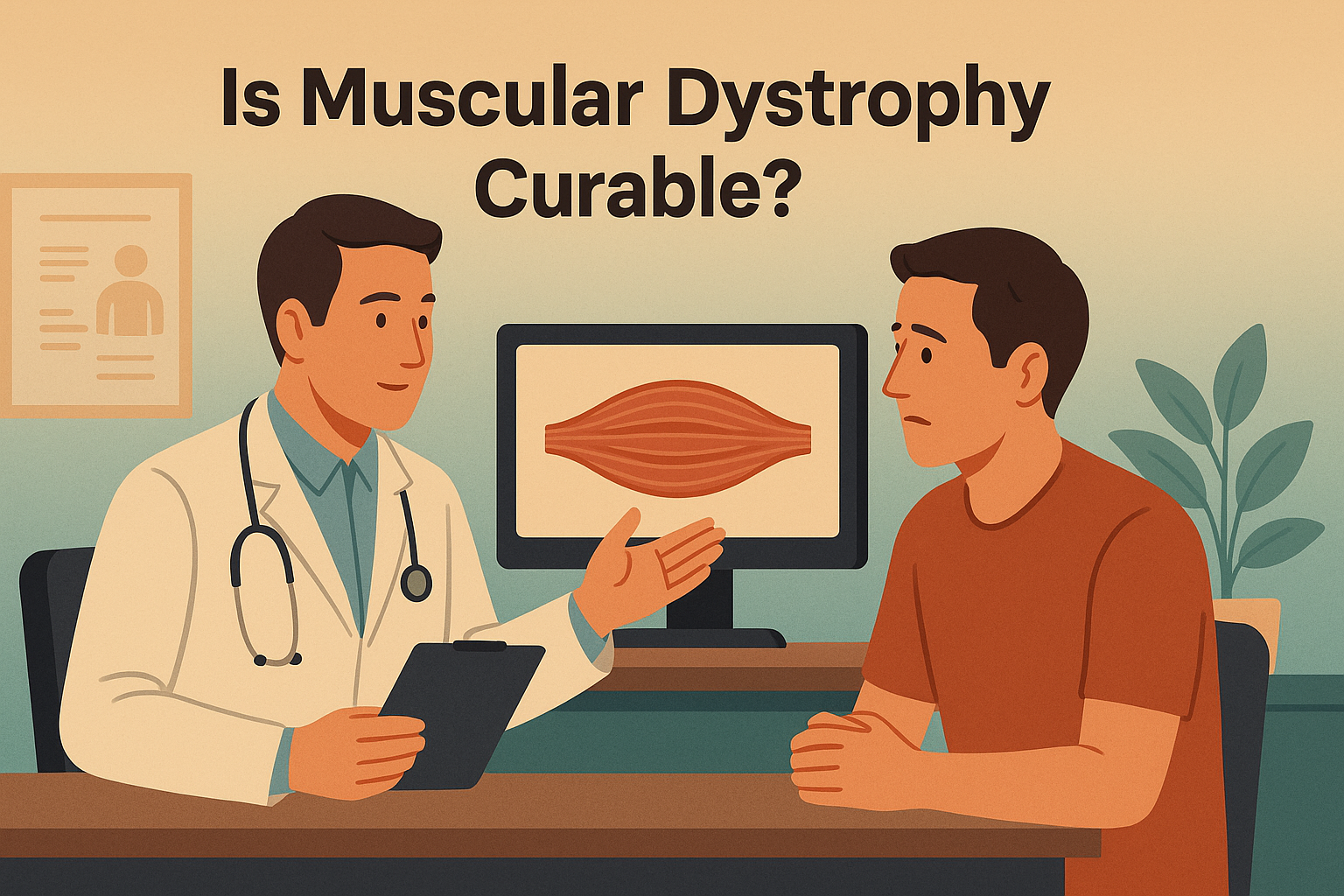
Is muscular dystrophy curable?
We can understand that this question is bothering you, as you or your loved one may be losing muscle strength slowly, and you feel helpless seeing them. Muscular dystrophy (MD) causes gradual muscle weakness and loss.
The muscles that help us move, walk, or even breathe gradually become weaker because the body can’t produce certain proteins needed to keep them strong.
If you have someone with an MD in your family, it might give you sleepless nights thinking about their future. You may constantly think about whether it is curable.
Searching for answers about treatments, progress, or even the possibility of a cure is completely natural for you.
That’s why we are here to help you understand whether muscular dystrophy can be cured and discuss the latest treatments and therapies that aim to improve strength, mobility, and overall quality of life.
What Is Muscular Dystrophy?
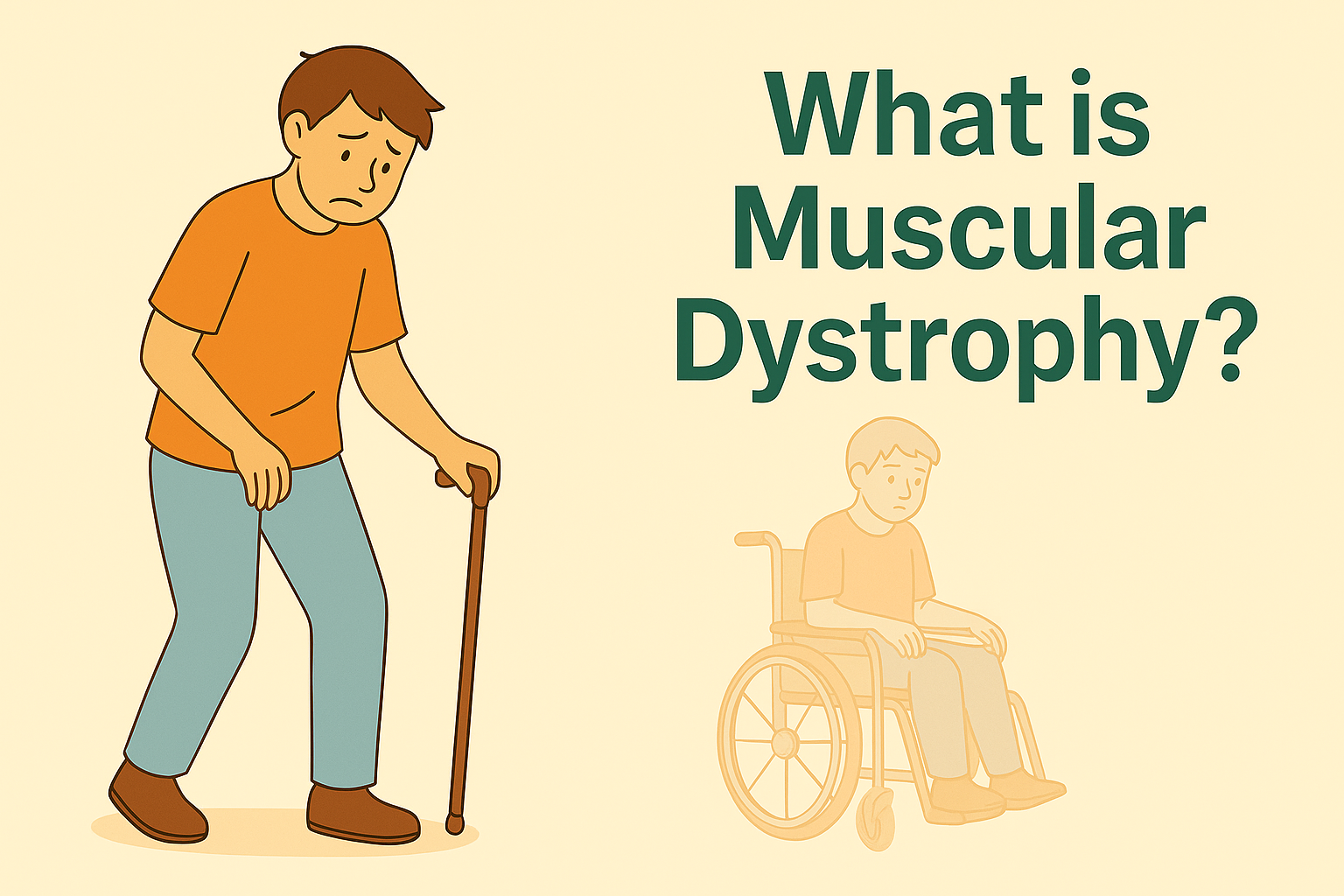
“Muscular dystrophy” is a term used for a group of genetic disorders. These disorders cause muscle weakness and gradual degradation.
In short, it happens when the body can’t produce the proteins needed to keep muscles strong and healthy. The muscles gradually lose strength, making it difficult to perform simple everyday activities.
MD comes under neuromuscular disorders, which are conditions that affect the nerves controlling the muscles and the muscles themselves. It can affect both children and adults, depending on the type. Duchenne muscular dystrophy usually appears in early childhood. It begins to show between 2 and 5 years.
These are some early signs:
- delayed walking
- frequent falls
- trouble standing up
Becker muscular dystrophy tends to develop later and progress more slowly. It is mostly seen in adults living with muscular dystrophy.
Limb-girdle muscular dystrophy can appear at any age and typically weakens the shoulder and hip muscles first. Each form of muscular dystrophy is different, but they all have a gradual impact on muscle strength that requires early diagnosis and ongoing support and care.
Why and How Muscular Dystrophy Occurs?
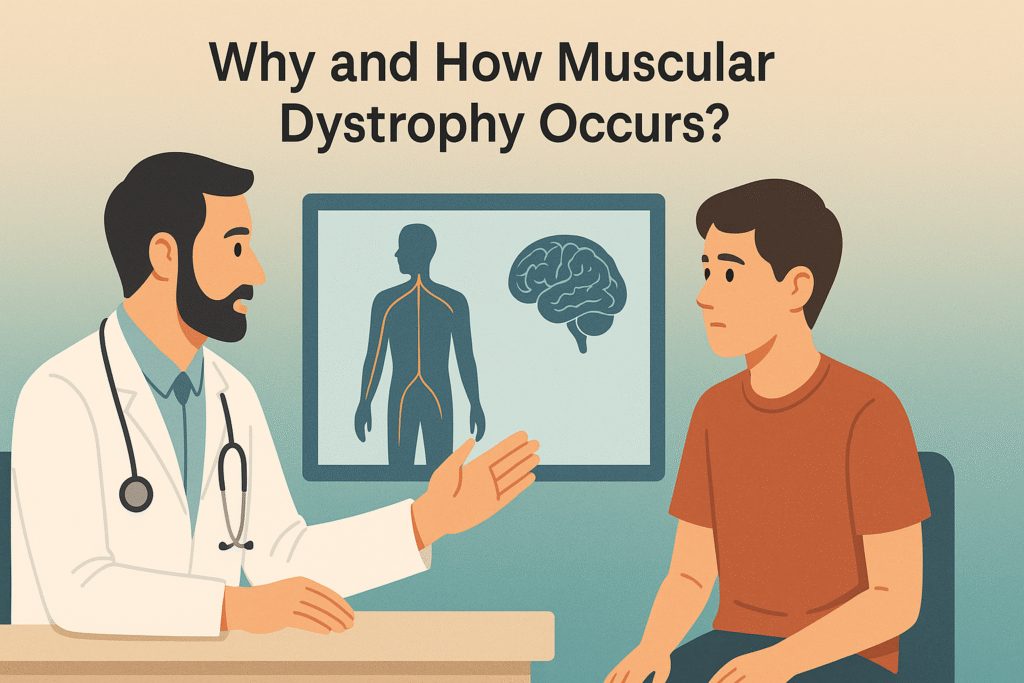
Muscular dystrophy happens because of a genetic mutation. A genetic mutation is like an error or change in the genes. In this case, the genes responsible for making proteins that keep your muscles healthy and strong are affected because of the mutation.
These mutations create issues with the production of important muscle proteins, like dystrophin.
Your muscle fibers become weak and break slowly without these proteins, and they can’t repair themselves properly without enough of them.
Muscular dystrophy is inherited in many cases. This means it’s passed down from one or both parents. But sometimes it can also result from a mutation, which occurs even when there’s no family history of the condition.
So, while the root cause lies in our genetic code, understanding it better helps doctors and researchers find ways to manage symptoms and slow the progression of the disease.
It also helps you plan the treatment with clarity of mind.
Is Muscular Dystrophy Curable?
Muscular dystrophy doesn’t have a cure right now. That’s because it is mainly caused by genetic mutations, and modern medicine hasn’t yet found a cure for it.
This sounds bad, but researchers are making significant progress in the fields of gene therapy, stem cell therapy, and protein restoration techniques.
All are aiming to repair or replace the damaged genes responsible for muscle weakness. These advanced treatments show some great early results.
Another option that can give a person with MD a comfortable and independent life is combination therapy, which brings together physical therapy, medication, Ayurveda, homeopathy, and sometimes regenerative medicine.
This therapy aims to slow disease progression, strengthen muscles, and improve mobility. How successfully it works may differ depending on a person’s conditions and symptoms. That’s why a personalized care plan designed by specialists can make a real difference.
So right now, if you ask how to cure muscular dystrophy, the answer will not be encouraging, but with the amount of research focusing on finding a cure, you can hope for the best.
What are the Treatment Options for Muscular Dystrophy?
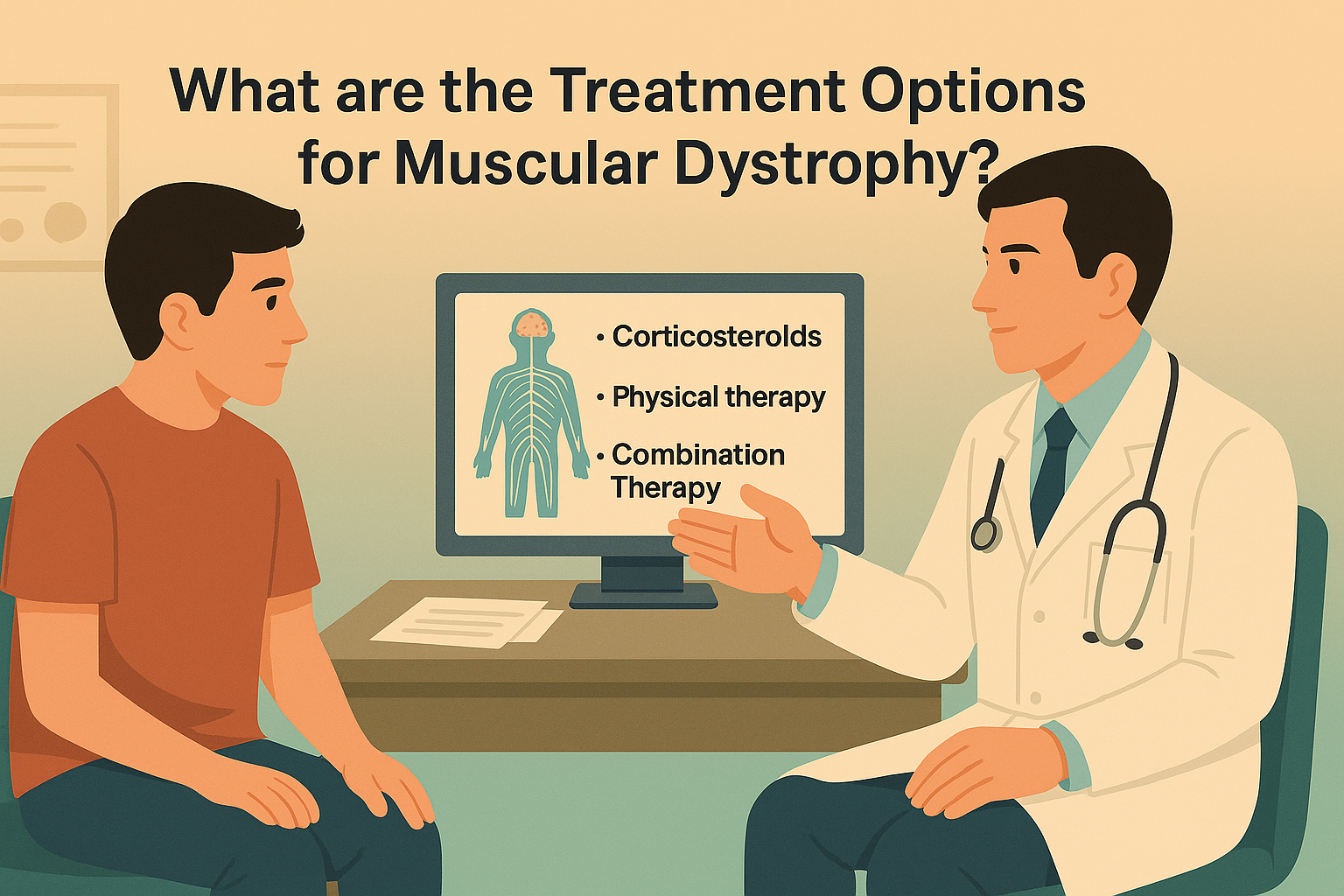
Thinking about treating muscular dystrophy with one treatment will be the wrong approach because there isn’t a single treatment that works for everyone. The treatment goal is to slow down muscle degeneration and support independence because it is a genetic condition, and reversing and curing it is not possible right now.
Doctors recommend a combination of standard and advanced therapies based on the type and stage of muscular dystrophy.
Some standard treatments are:
- Physical Therapy: The physical therapist makes the child do regular exercises and stretches that help maintain flexibility, strengthen muscles, and prevent joint stiffness.
- Steroid Medications: These medications can help slow your child’s muscle damage and improve strength.
- Assistive Devices: Braces, walkers, and wheelchairs are some assistive devices that help maintain mobility and independence for as long as possible.
- Breathing and Heart Care: Since MD can affect respiratory and cardiac muscles, breathing support devices and heart medications may be needed.
- Surgery: In severe cases, surgery may correct spinal curvatures or contractures caused by muscle tightening.
As we have mentioned above, muscular dystrophy needs multiphased care, and MedicoExperts’ combination therapy brings together the best of all treatments and therapies for better results.
It can include Ayurveda, homeopathy, allopathy, regenerative medicine, and therapies like physical and occupational therapy.
Each case is studied by a multidisciplinary team, and it designs a personalized treatment plan for each patient. These plans may involve 2–3 therapies used together under expert supervision. This holistic method ensures patients get the maximum benefit while improving strength and mobility.
Muscular Dystrophy Prognosis and Life Expectancy
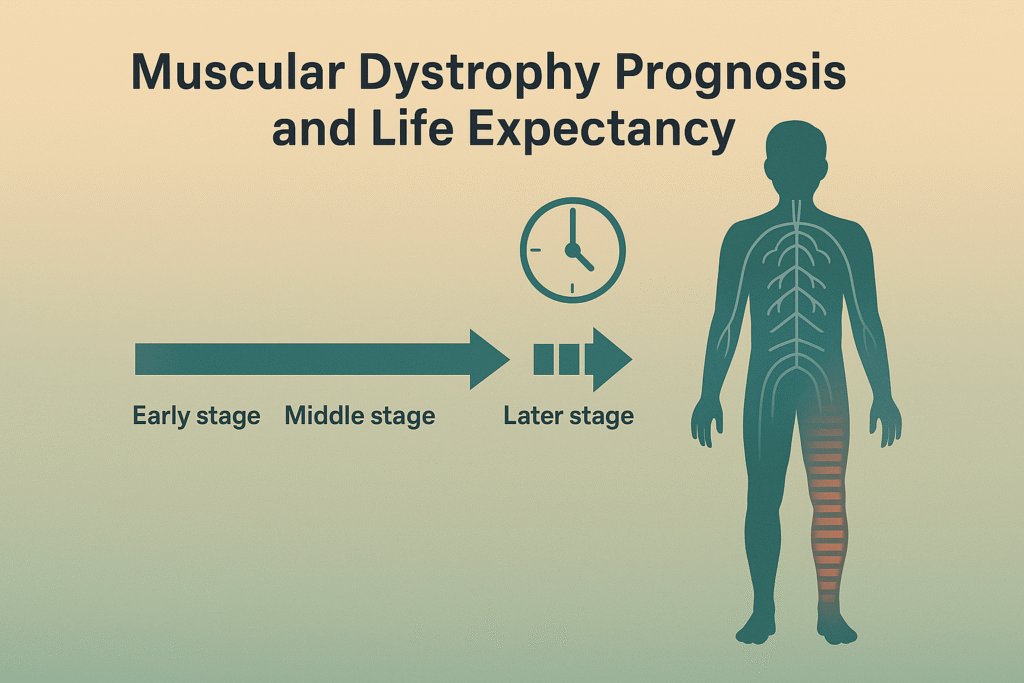
MD prognosis is not the same for all because it is mainly based on the type and severity of the condition. Some types of muscular dystrophy progress slowly and allow people to live active and independent lives, but some other types make people wheelchair-bound and completely dependent.
For example, Duchenne muscular dystrophy (DMD) can progress more rapidly and affect vital muscles, including the heart and lungs.
Children diagnosed early and given proper therapy, medication, and supportive care can now live well and much longer, which was not possible a few decades ago.
Milder forms like Becker muscular dystrophy or limb-girdle muscular dystrophy have a near-normal lifespan, and when the symptoms are managed proactively, they can live an even better and independent life.
Proper treatment, care, support, regular monitoring, and access to modern therapies can extend life expectancy in muscular dystrophy.
Takeaway

MD is not yet curable, but combination therapy can give you or your loved one the ability to become self-reliant and independent. Early detection and treatment are the key to achieving that. You should also keep in mind that each scientific breakthrough can bring us a step closer to stronger solutions and a brighter future.
Want to know how combination therapy can help in MD?
Frequently Asked Questions (FAQs):
Q1. How to cure muscular dystrophy?
A. As elaborated in the blog, currently, there is no cure for muscular dystrophy.
Q2. What causes muscular dystrophy?
A. Muscular dystrophy is caused by genetic mutations that prevent the body from producing essential proteins needed for healthy muscle function. These mutations can be inherited or occur spontaneously.
Q3. Can muscular dystrophy be cured with exercise or diet?
A. No, exercise or diet alone cannot cure muscular dystrophy, but regular physiotherapy and a nutritious diet can help slow muscle weakness and improve overall health.
Q4. How long can someone live with muscular dystrophy?
A. Life expectancy depends on the type and severity of the condition. With early diagnosis, therapy, and advanced care, many people now live well into adulthood.
Q5. Is muscular dystrophy genetic?
A. Yes. Muscular dystrophy is a genetic disorder passed down through families, though in some cases, it can result from new (spontaneous) mutations.
Q6. Who is at risk of muscular dystrophy?
A. Those with a family history of the disease are at higher risk, and certain types, like Duchenne muscular dystrophy, are more common in boys due to X-linked inheritance.
Q7. Can muscular dystrophy be prevented?
A. There’s no known way to prevent MD, but genetic counseling can help families understand their risks before having children.
Q8. Muscular dystrophy comes under which category?
A. Muscular dystrophy comes under the category of genetic neuromuscular disorders that cause progressive muscle weakness and degeneration.
Q9. Can you fully recover from muscular dystrophy?
A. No, you cannot fully recover from muscular dystrophy, but treatments and therapies can help slow its progression, manage symptoms, and improve quality of life.
Q10. What are the first signs of muscular dystrophy?
A. The first signs of muscular dystrophy often include muscle weakness, especially in the legs, hips, or shoulders. You may also notice frequent falls, difficulty climbing stairs, or trouble standing up from a sitting position.
Q11. Can you rebuild muscle with muscular dystrophy?
A. You can’t fully rebuild lost muscle with muscular dystrophy because the disease causes ongoing muscle degeneration. But regular physiotherapy, gentle exercise, and proper nutrition can help maintain remaining muscle strength and slow further loss.
Q12. At what age does muscular dystrophy start?
A. Muscular dystrophy can start at any age; depending on the type, some forms, like Duchenne muscular dystrophy, appear in early childhood, while others may begin in adolescence or adulthood.
Q13. What is the last stage of muscular dystrophy?
A. In the last stage of muscular dystrophy, muscle weakness becomes severe, often leading to loss of mobility, difficulty breathing, and heart complications. At this point, patients usually require wheelchair support and assisted ventilation for daily living.
Q14. What disease is mistaken for muscular dystrophy?
A. Diseases like myasthenia gravis, polymyositis, and spinal muscular atrophy are sometimes mistaken for muscular dystrophy because they also cause progressive muscle weakness.
Q15. What is the latest treatment for muscular dystrophy?
A. The latest treatments for muscular dystrophy include gene therapy, exon-skipping drugs, stem cell research, and combination therapy.
References
Relevant Articles For You
Prevalence and Incidence Of MD
Muscular dystrophies (MDs) are a group of inherited muscle-wasting disorders. In India, precise epidemiological data are…..Read More
DMD Mobility Loss in Child
DMD mobility loss in children is an issue that instils fear and doubts in every child’s mind. You see your child fall, and…..Read More
Recommendations To Understand Different Treatments
Stem Cell Therapy For MD
Stem cell therapy is part of regenerative medicine. It focuses on renewing and replacing damaged cells, tissues, and…..Read More
Combination Therapy For MD
Muscular dystrophy impacts every person differently. That’s why we move beyond standard treatments. Our approach…..Read More
Homeopathy For MD
In homeopathy, muscular dystrophy isn’t just seen as a condition affecting the muscles; it’s viewed as a sign of…..Read More
Ayurveda For MD
In Ayurveda, muscular dystrophy is associated with ‘Mamsa Dhatvagnimandya’ (poor metabolic activity in…..Read More
Medically Reviewed by MedicoExperts Editorial & Clinical Review Board on 14 November 2025
Medical Disclaimer: This content is for informational purposes only and is not intended as medical advice, diagnosis, or treatment. Always seek the advice of your physician or other qualified healthcare provider regarding any medical condition or dietary needs.