
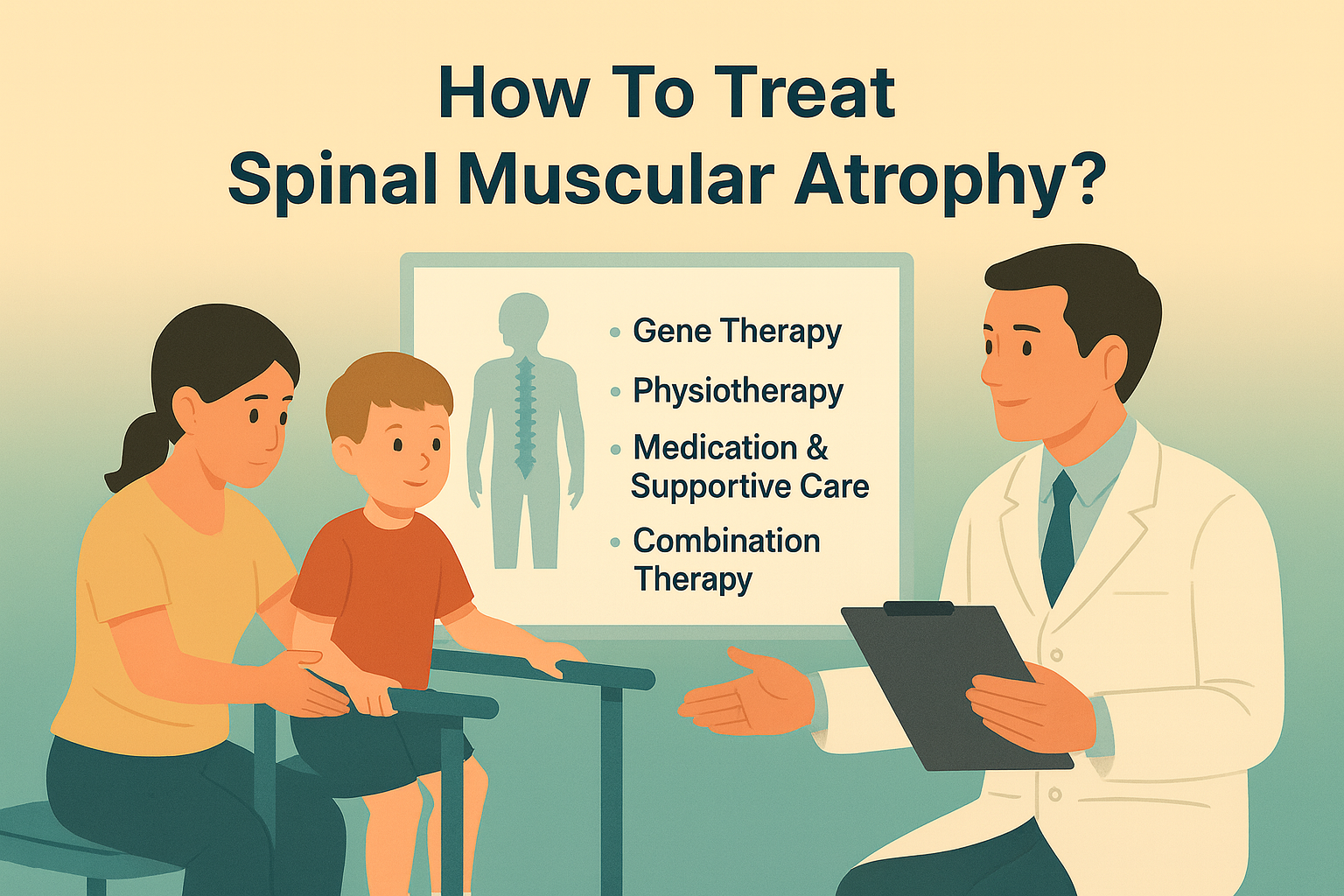
If our child’s muscles feel unusually weak or they miss milestones that other kids their age hit easily, it is easy for you to think that they will catch up later.
But it is better not to ignore such signs and approach a doctor immediately because these signs can be the first clues of SMA, a condition that worsens quickly if not addressed on time.
Understanding how to treat spinal muscular atrophy early is important, as delays can affect your child’s ability to sit, stand, or move independently.
Learn about the treatment process with the help of our guide so that you know exactly what steps to take, what to avoid, which options actually help, and how timely care can give your child a stronger, safer life ahead.
Start your child’s SMA care journey with a quick expert call.
Why Does Spinal Muscular Atrophy Occur?
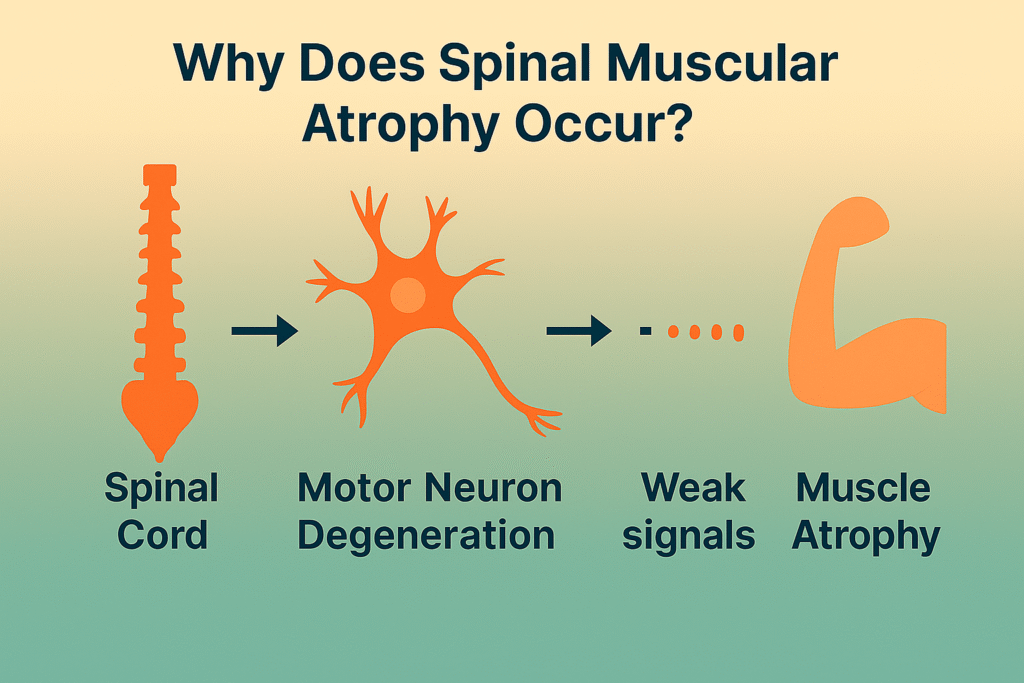
The nerve cells in the spinal cord that control your child’s muscles start to weaken in spinal cord atrophy. In SMA, these nerve cells gradually stop working the way they should. When they fail, the muscles that depend on them become weak because they are not getting the proper signals to move.
This condition happens due to a genetic mutation in the SMN1 gene. This gene is responsible for producing a protein that maintains spinal nerve cells’ health. When the body cannot make enough of this protein, the nerve cells gradually start to be damaged, and the muscles start to weaken.
SMA is not very common, but one in ten thousand babies worldwide is affected by it. Knowing this helps parents understand that while SMA is serious.
What are the Different Types of SMA?
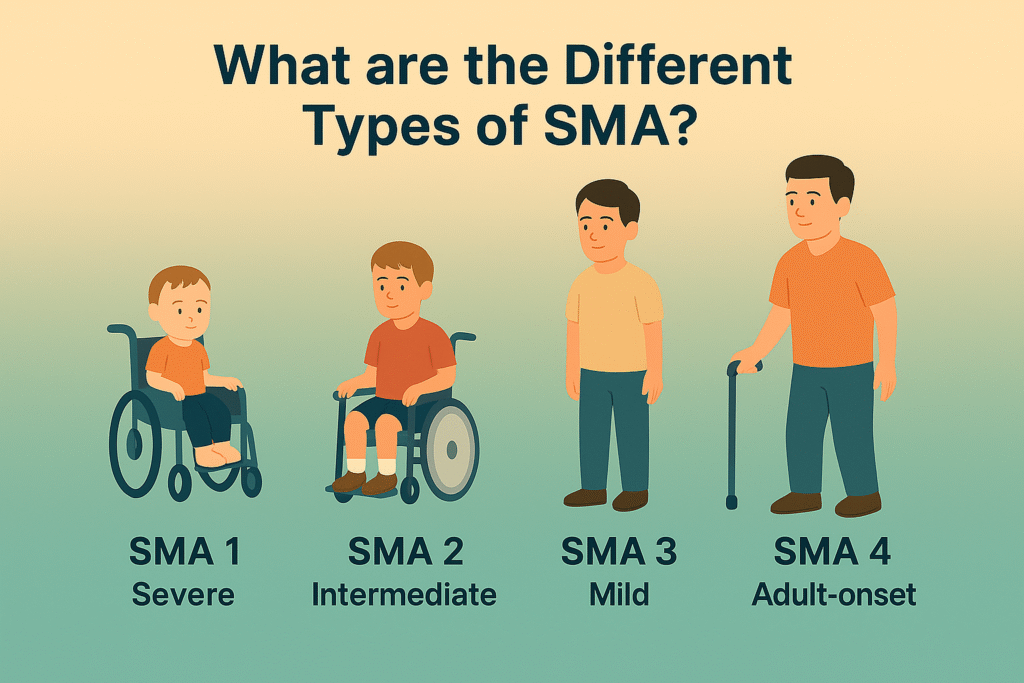
Spinal Muscular Atrophy (SMA) has 4 types based on when symptoms start and how severely the muscles are affected. All types involve weakness in the muscles responsible for movement, but the timing and severity are not the same.
SMA Type 1 (Severe): Type 1’s symptoms appear within the first six months of a baby’s life. They may have weak legs, difficulty lifting their head, and trouble swallowing or breathing. Early treatment is important for their health.
SMA Type 2 (Intermediate): This type of SMA is usually diagnosed between 6 and 18 months. Children can sit but struggle to stand or walk independently. Muscle weakness progresses slowly over time.
SMA Type 3 (Mild/Juvenile-Onset): In this type, symptoms start after 18 months and sometimes in childhood or adolescence. Children can walk but may struggle with running, climbing stairs, or getting up from the floor. Mobility may decline gradually.
SMA Type 4 (Adult-Onset): Type 4 begins in adulthood, usually after age 20. It causes mild to moderate muscle weakness, mostly affecting mobility over time.
What Are the Symptoms of Spinal Muscular Atrophy?
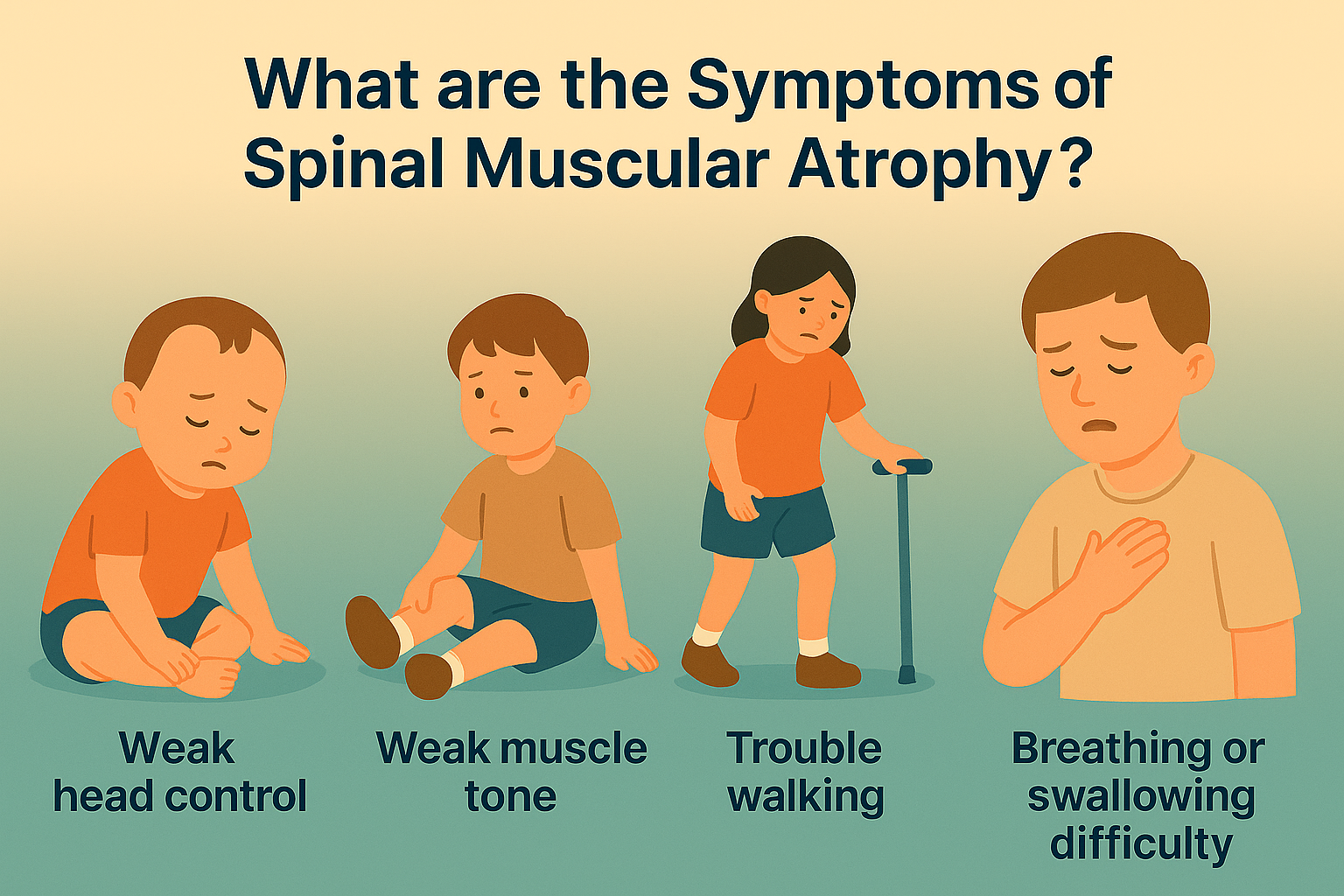
The symptoms of spinal muscular dystrophy are different for different age groups. So here is what parents will notice in different age groups:
In babies, parents may see
- Weak muscle tone
- Trouble lifting or controlling the head
- Poor sucking or swallowing
- Minimal movement in arms or legs
Toddlers’ parents may notice these symptoms
- Difficulty sitting or standing without support
- Frequent falls
- Trouble crawling or walking
Older children may experience
- Difficulty walking or climbing stairs
- Slower movement compared to peers
- Trouble keeping up during physical activities
Apart from that, there are some early warning signs that you should know to help in early diagnosis and better treatment outcomes. Here are some of them:
- Delayed motor milestones
- Limited movement in the legs or arms
- Poor head or neck control
- Slow or unusual muscle development
There are these red flags that tell you that your child needs a doctor’s attention immediately.
- Consistent muscle weakness
- Difficulty feeding or breathing
- Loss of previously learned movements
- Missing multiple age-appropriate physical milestones
How to Test for Spinal Muscular Atrophy?
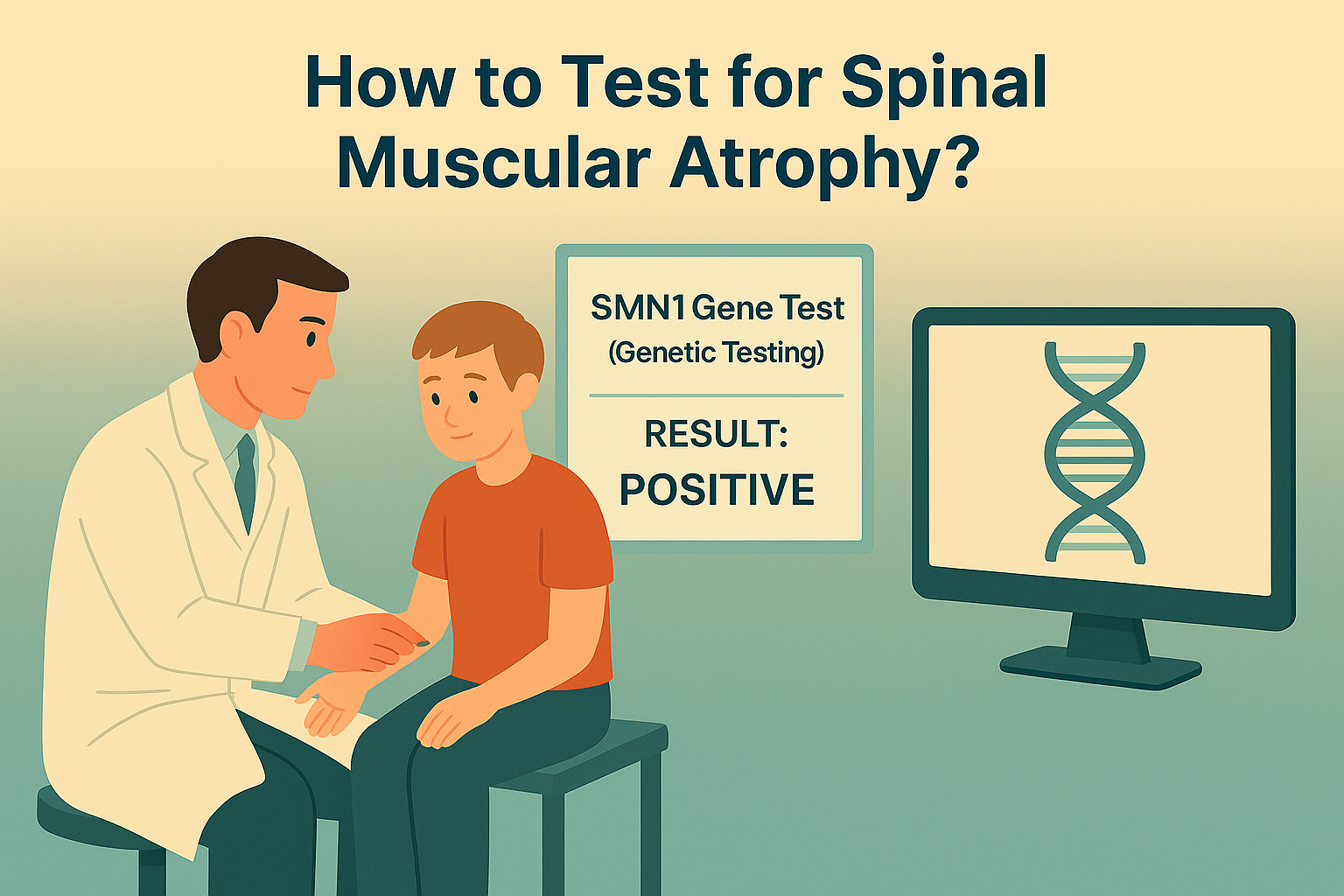
The testing process for spinal muscular atrophy is straightforward, and it requires your child’s genetic report.
First and foremost, genetic tests are done to check whether the SMN1 gene is missing or not functioning correctly. This test confirms SMA with high accuracy.
The SMN1 gene test is the standard diagnostic tool. It looks for the specific genetic mutation that causes SMA. If this gene is absent or faulty, the diagnosis becomes clear.
SMA is picked up at birth. In many countries, newborn screening is common; however, in India, it remains limited. Only a few hospitals and private labs include SMA in their newborn screening panels.
That’s why there’s a gap in early detection, which means many parents find out only after symptoms appear.
There are also prenatal testing options. Parents can choose tests like chorionic villus sampling or amniocentesis to check if the baby carries the SMA gene mutation. This can be done during pregnancy.
How to Treat Spinal Muscular Atrophy?
The focus of any treatment for spinal muscular atrophy is on improving muscle strength, slowing the progression of the condition, supporting daily movement, and helping the child become independent in their daily life.
The main treatment options for SMA are called disease-modifying therapies because they target the underlying cause of the disease.
Gene Therapy
Supportive Care Treatments
Combination Therapy
Learn how combination therapy can boost your child’s progress.
Infant Spinal Muscular Atrophy: What Parents Must Do Early?
Infant spinal muscular atrophy can progress very quickly, which is why parents need to act fast the moment early warning signs appear.
The first few weeks after symptoms start are important for diagnosis, treatment, and stabilizing the baby’s health.
You need to understand what to look for and what steps to take immediately, which can make a major difference in your child’s strength, development, health, and long-term outlook.
Symptoms To Look For?
What Urgent Action Should You Take?
Why Early Treatment Changes Life Expectancy?
Can Spinal Muscular Atrophy Be Prevented?
The fact is, spinal muscular atrophy cannot be prevented, as it is a genetic condition passed on when both parents carry the faulty SMN1 gene.
A child develops SMA only when they receive two defective copies, one from each parent. Many carriers never show symptoms, so they don’t know they carry the gene. But these are the precautions parents-to-be and families can take:
Prenatal Testing Options
Family Genetic Counseling
Long-Term Care: Simple Daily Routine That Helps SMA Kids

You will find taking care of a child with SMA much easier when you follow a simple daily routine that supports their body, lungs, nutrition, sleep, and emotional health.
These small, consistent habits can increase your child’s as well as your comfort levels and make everyday life smoother for both of you. Let’s break down the essential parts of this routine.
1. Positioning: You need to position your child well because proper positioning throughout the day prevents stiffness, improves breathing, and keeps your child comfortable. You can use pillows, rolled towels, and supportive cushions to help them sit, lie down, or play without putting pressure on weak muscles.
2. Chest Exercises: You can also make them do gentle chest physiotherapy, which helps clear mucus, supports lung function, and reduces the risk of infections in your child. Your physiotherapist can teach simple tapping, breathing games, and assisted coughing techniques that parents can safely do.
3. Feeding & Nutrition: Good nutrition is key because SMA kids burn energy faster and may struggle with swallowing. Small, frequent meals, high-calorie foods, and proper posture while feeding can make a big difference. A nutritionist can guide you on the right diet plan.
4. Avoiding Infections: Because respiratory infections can worsen symptoms, everyday hygiene matters. Wash your hands regularly, keep the child’s surroundings clean, avoid crowded spaces during flu season, and ensure timely vaccinations as recommended by your doctor.
5. Sleep Support: Many SMA children need help with comfortable sleep. Using supportive pillows, maintaining a cool and quiet room, and choosing the right mattress can improve sleep quality. Some children may need nighttime breathing support as advised by specialists.
6. Mental Well-Being for Child & Parent: Emotional health is as important as physical care. Simple bonding activities, playtime, storytelling, and gentle routines help the child feel secure. Parents should also take small breaks, talk to support groups, and share responsibilities to avoid burnout.
Life Expectancy & Prognosis: What Parents Should Know
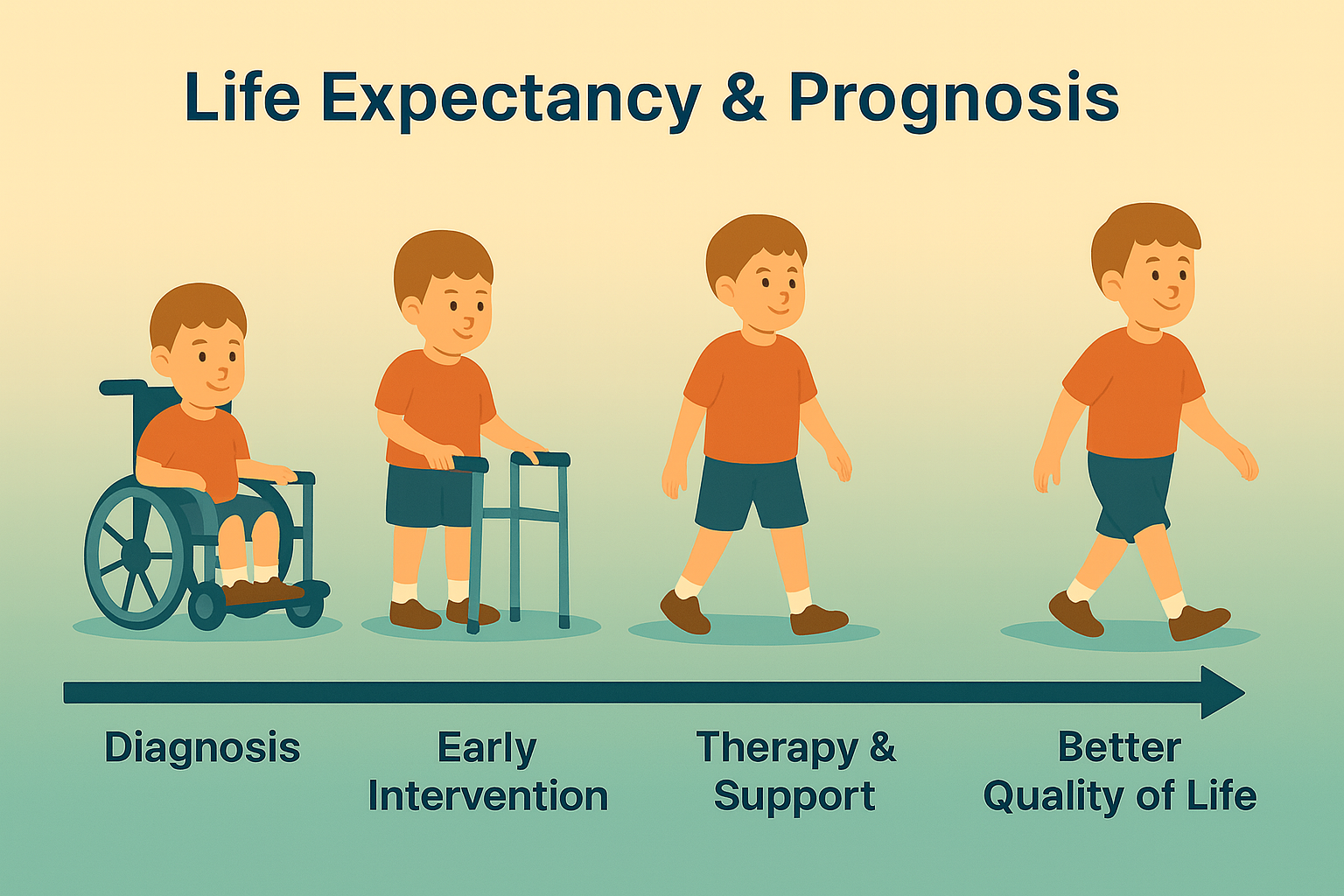
It is always better to start treatment early to protect motor neurons, improve the child’s ability to move, improve breathing, and greatly boost long-term quality of life.
Mild, moderate, and severe SMA have differences in life expectancy and prognosis.
- Mild SMA (Type 3–4): Near-normal life span.
- Moderate SMA (Type 2): Many live into adulthood with good respiratory and nutritional support.
- Severe SMA (Type 1): Outcomes have improved significantly with modern treatments.
SMA is lifelong, but today’s therapies and daily supportive care offer more hope, better function, and a higher quality of life than ever before.
Takeaway

Every child has a different experience with SMA, but one thing is becoming clear: children do better when treatment goes beyond a single approach.
Daily supportive care, early medical treatment, respiratory support, nutrition, and emotional guidance all work together to improve strength, comfort, and their everyday life.
This is why many parents today are exploring combination therapy, which is a holistic, multi-step plan that supports the child’s body from every angle.
If you want to understand how these therapies fit together and what options may work for your child’s specific condition, take the next step and learn more. A well-planned combination can make all the difference.
Get personalised help to plan your child’s daily SMA routine today.
Frequently Asked Questions (FAQs):
Q1. What should parents do immediately after an SMA diagnosis?
A. After receiving the diagnosis, schedule a treatment discussion with your neurologist, understand the type of SMA, and start early interventions like physiotherapy and respiratory assessment. Acting quickly can make a big difference.
Q2. Is SMA painful for children?
A. SMA itself doesn’t usually cause direct pain, but weak muscles can lead to discomfort from stiffness, poor posture, or breathing difficulty. Supportive care and proper positioning help relieve this.
Q3. Can SMA kids go to school?
A. Yes. With the right support, mobility aids, safe seating, classroom accessibility, and a personalized education plan, many SMA children attend school or learn through flexible homeschool models.
Q4. Does the weather affect SMA symptoms?
A. Cold weather can tighten muscles and make breathing harder, while humid weather may increase fatigue. Consistent room temperature and air quality control can help.
Q5. Are vaccines safe for children with SMA?
A. Generally, routine vaccinations are considered safe and important because SMA kids are more prone to respiratory infections. Always check with your neurologist or pediatrician for individual recommendations.
Q6. How often should SMA kids get physiotherapy sessions?
A. Frequency varies with the child’s condition. Some need daily home exercises plus weekly physiotherapy visits, while others may require more structured therapy plans. A specialist will tailor the schedule.
Q7. Can SMA be detected during pregnancy?
A. Yes. Prenatal testing options like CVS (Chorionic Villus Sampling) and amniocentesis can detect SMA if parents are carriers. Genetic counseling helps families understand risks.
Q8. Do children with SMA need special furniture or equipment at home?
A. Some children benefit from supportive seating, standing frames, adjustable beds, and respiratory devices. These tools help prevent complications and improve comfort.
Q9. What is combination therapy in SMA?
A. Combination therapy means using more than one approach, medical treatment, physiotherapy, respiratory support, nutrition, and mental well-being to improve outcomes. It offers a more complete care plan.
Q10. Can SMA symptoms improve over time?
A. With modern treatments and consistent supportive care, many children show better strength, better breathing, and improved movement milestones compared to older outcomes.
Q11. How can parents manage caregiver burnout?
A. Short breaks, shared responsibilities, support groups, and simple CBT techniques can help parents manage stress and stay emotionally strong.
References
Relevant Articles For You
Is Muscular Dystrophy Curable?
Is muscular dystrophy curable? We can understand that this question is bothering you, as you or your loved one may be…..Read More
Early Signs of Muscular Dystrophy
It is hard to watch your child struggle with everyday activities like climbing stairs, running, or even standing up…..Read More
Recommendations To Understand Different Treatments
Causes of Muscular Dystrophy
You should keep in mind that genetic problems that affect certain proteins in your body are behind muscular…..Read More
Polio Treatment in India
Orthopaedic surgery is indeed a good option for deformity correction. However, along with deformity correction, you…..Read More
Combination Therapy for Muscular Dystrophy
Muscular dystrophy impacts every person differently. That’s why we move beyond standard treatments. Our approach…..Read More
Medically Reviewed by MedicoExperts Editorial & Clinical Review Board on 30 November 2025
Medical Disclaimer: This content is for informational purposes only and is not intended as medical advice, diagnosis, or treatment. Always seek the advice of your physician or other qualified healthcare provider regarding any medical condition or dietary needs.