

Have you ever thought about what your kidneys do for you every day?
They do some of your body’s most important jobs, like filtering waste and keeping your blood pressure in check. So, not paying much attention to their health will impact your overall well-being.
Kidney problems can be serious because they develop without clear warning signs most of the time.
You might feel perfectly fine while your kidney function slowly declines. That’s what makes kidney disease so dangerous. Hence, you need to avoid habits that damage kidneys and take care of them.
By caring for your kidneys, you are protecting your health and energy. When your kidneys work well, you feel better, think clearly, and stay active longer. Knowing about habits that damage kidneys will help you keep your kidney health intact by taking the right measures.
10 Habits That Damage Kidneys
Some everyday habits you have may slowly damage your kidneys. You may not realize it until it’s too late. These small lifestyle choices can take a toll on your health. Here are 10 common habits that damage kidneys and how to avoid them.
1. Painkillers
Painkillers like ibuprofen, aspirin, and naproxen are found in some brands that belong to a group called NSAIDs (non-steroidal anti-inflammatory drugs). They’re effective for headaches, joint pain, or fever, but frequent or long-term use can lead to kidney damage, especially when taken without medical supervision.
How do painkillers hurt your kidneys?
Who is at higher risk?
What can you use instead?
2. Salt
Too much salt is bad for your kidneys because high sodium intakes increase your blood pressure. This forces your kidneys to work extra hard, strains them, and reduces kidney function.
Why is too much salt bad for your kidneys?
How much salt should you take?
What can you do to cut down on salt?
3. Processed Foods
You may love processed foods because they are convenient and tasty. But they are packed with preservatives, sugar, and salt that increase the strain on these vital organs. These high preservatives and sodium raise blood pressure and force your kidneys to work harder. This increases the risk of chronic kidney disease slowly.
How can you cut down on processed foods?
4. Water
Water is one of the most important ingredients to help your kidneys function better. Kidneys need water to do their jobs. They need it for filtering waste and toxins from your blood and sending them out through urine.
But when you don’t drink enough, they need to work much harder. Adequate water intake helps them produce enough urine to flush these out efficiently. Water also keeps your blood flowing smoothly, which supports your kidneys’ filtering ability. Without enough hydration, waste can build up, stressing your kidneys.
What happens when you don’t drink enough?
How much water should you drink?
5. Poor Sleep
Your kidneys follow your body’s natural sleep-wake cycle. Not getting enough sleep or having an irregular sleep schedule can disrupt this rhythm, affecting how your kidneys filter and regulate essential functions like blood pressure and fluid balance.
Your body’s internal clock (circadian rhythm) helps regulate kidney function. When you are resting, the kidneys slow down certain processes to boost recovery and repair. Additionally, good sleep supports balanced blood flow and waste removal. But when you have poor sleep, it strains your kidneys, too.
6. Too Much Protein
Protein is essential for your muscle repair, immunity, and energy. But you should not have too much of it because that can strain your kidneys. It applies more to people who already have a kidney issue.
Eating more than the protein your body needs means making your kidneys work harder to remove the waste that is produced while breaking it down. That happens when you are consuming a high-protein diet.
So when you are having a high-protein diet, it increases the amount of protein waste your kidneys need to filter. This extra workload can lead to acid buildup over time and stress your kidneys. This, in turn, can reduce their efficiency. Also, if you already have poor kidney function, excess protein can speed up kidney damage.
Which proteins are worse?
What are the better protein choices?
7. Too Much Sugar
Many people reduce sugar consumption, thinking it can make them diabetic. But sugar can also harm your kidneys.
Eating too much sugar can lead to obesity and increase your risk of diabetes. Obesity and diabetes are major causes of kidney disease. High blood sugar damages the tiny blood vessels in your kidneys, and this reduces their ability to filter waste effectively.
Where is sugar hiding in your food?
What’s the correlation between sugar and diabetes?
How can you reduce sugar?
8. Smoking
You already know that smoking is bad for your health. But it can also damage the kidneys. Every puff you take exposes your body to toxic chemicals that damage the blood vessels. It reduces blood flow to your kidneys.
This reduced blood circulation makes it hard for your kidneys to filter waste effectively. Smoking also increases inflammation and oxidative stress, and both of these speed up kidney damage.
Besides, smokers are more likely to develop chronic kidney disease (CKD). It also worsens existing kidney problems by increasing protein in urine, which is a telltale sign of kidney damage.
Does secondhand smoke matter?
How can you quit smoking?
9. Alcohol
A drink once in a while might seem harmless, but if you start consuming too much alcohol frequently, it may hurt your kidney health. Alcohol acts as a diuretic, which causes dehydration and reduces how well your kidneys can filter blood. It also raises blood pressure, which is a major cause of kidney damage.
Besides, when your liver is damaged from alcohol, toxins build up in your body, putting even more strain on your kidneys.
How much drinking is too much?
How can you cut back on alcohol?
10. Sitting too much
Desk jobs are common today, and binge-watching and a sedentary lifestyle have become the norm. But the problem is that lack of movement affects your weight, blood pressure, and circulation, all of which play a big role in kidney health.
When you sit for long hours without moving, your body burns fewer calories, leading to obesity, poor circulation, and high blood pressure. All these are major causes of kidney disease.
How does exercise help the kidneys?
How much exercise do you need?
Other Habits That Hurt Your Kidneys
These are some other harmful habits that adversely impact your kidneys.
Holding your pee too long
Ignoring colds and infections
Who is at Risk?
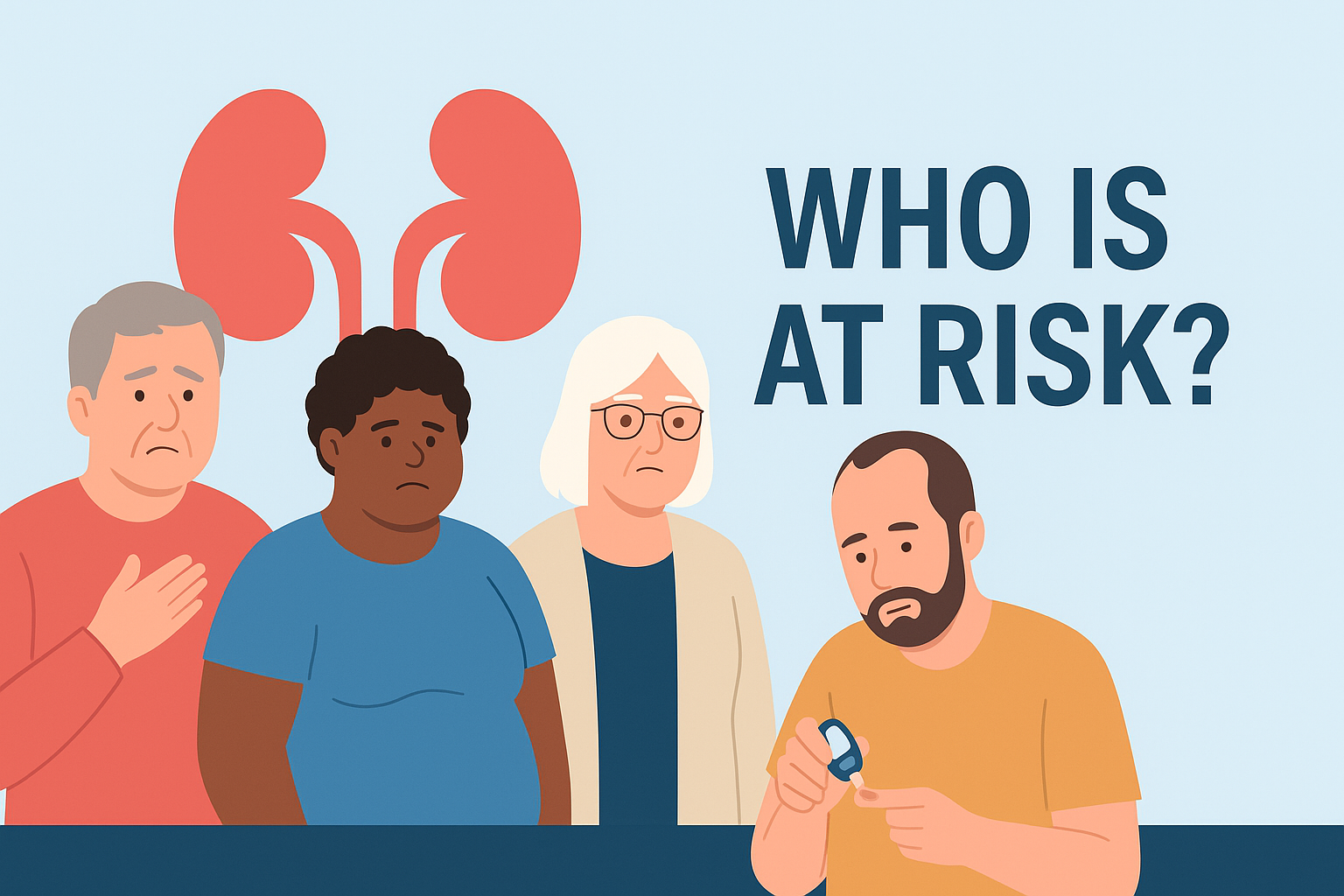
Some people are at risk of developing kidney disease due to age, genetics, or medical conditions. Here’s a quick look at what increases your risk:
- Age & Family History can cause kidney issues. Kidney function naturally declines with age. If kidney disease runs in your family, your risk is higher.
- High Blood Pressure (Hypertension) is another risk factor. A reading above 130/80 can strain your kidneys over time.
- Poorly controlled blood sugar is a major cause of diabetic kidney disease.
- Heart failure and other cardiovascular issues often go hand-in-hand with kidney damage.
- Obesity and a high BMI increase your risk of hypertension and diabetes, both harmful to the kidneys.
- Lupus, which is an autoimmune disease, can cause lupus nephritis, where the immune system attacks kidney tissues.
What are the Signs of Kidney Damage?
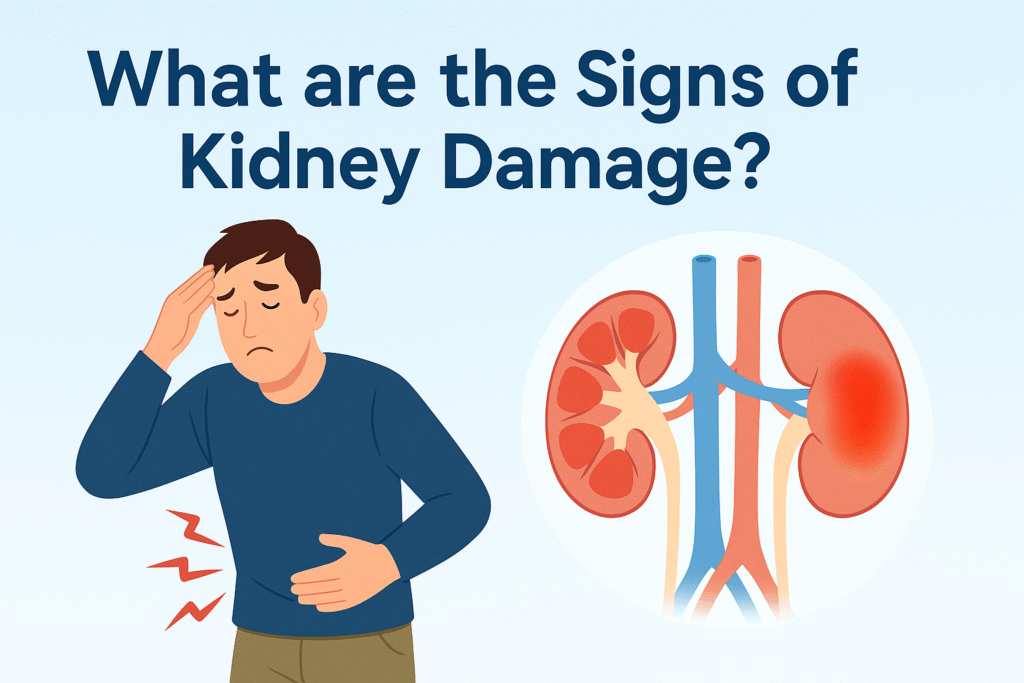
These are the symptoms you should watch for:
- Fatigue or low energy
- Swelling in the feet, ankles, or face
- Back pain below the ribs
- Headaches or trouble concentrating
You may also have kidney issues without symptoms. That’s why it is also called a “silent disease” because many people notice nothing until it’s advanced.
Takeaway

It’s never too late to protect your kidneys from all the harmful habits mentioned in this blog. Start small with drinking enough water, eating fresh foods, staying active, and getting proper sleep. You need to remember that these small steps can make a big difference.
After all, prevention is always easier than treatment.
Worried about your kidney health?
Take the first step today, get your kidney function checked and talk to your doctor about preventive care.
Frequently Asked Questions (FAQs):
Q1. Can everyday painkillers really hurt my kidneys?
A. Yes, frequent or long-term use of NSAIDs (like ibuprofen, naproxen) can reduce blood flow to the kidneys and cause damage, especially if you’re dehydrated or already have high blood pressure or diabetes.
Q2. How does too much salt affect kidney health?
A. Excess sodium raises blood pressure and makes kidneys work harder; over time, this stresses them and can lower kidney function.
Q3. How much alcohol is too much for kidney health?
A. Heavy and frequent drinking harms the kidneys by causing dehydration, raising blood pressure, and creating toxic effects; moderation is important, and people with kidney issues should consult their doctor.
Q4. Can sitting too much really hurt my kidneys?
A. Inactivity contributes to obesity, poor circulation, and high blood pressure, all risk factors for kidney disease, so regular moderate exercise (≈30 minutes most days) helps protect the kidneys.
Q5. Are there other habits I should avoid (holding pee, drugs, etc.)?
A. Yes, regularly holding urine, ignoring infections, excessive caffeine, illicit drugs (like cocaine and heroin), and misuse of supplements or steroids can all harm urinary tract and kidney health.
Q6. Who is at higher risk of kidney damage?
A. People with high blood pressure, diabetes, heart disease, obesity, a family history of kidney disease, older adults, and those who frequently self-medicate or use nephrotoxic drugs are at higher risk.
Q7. What signs suggest my kidneys might be damaged?
A. Warning signs include persistent fatigue, swelling in feet/ankles, foamy urine, blood in urine, reduced urine output, unexplained itching, and shortness of breath, but kidney disease can be silent, so tests matter.
Q8. How to keep kidneys healthy and strong?
A. You can keep your kidneys healthy and strong by avoiding all the habits and lifestyle choices that are harmful to your kidneys and eating and drinking kidney-friendly foods and drinks. Along with that, keep yourself active.
Q9. What are the early signs of kidney damage?
A. Frequent urination, especially at night, and changes in urine, like it appearing foamy or having a different colour, are some early signs of kidney damage.
Q10. How to naturally improve kidney function?
A. To naturally improve your kidney function, you need to have a kidney-friendly diet and lifestyle. Avoid all the habits that can harm your kidneys. Focus on a healthy diet, regular exercise, and proper hydration. Limit salt, sugar, and processed foods, and include fresh fruits, vegetables, and whole grains in your meals. Avoid habits that strain your kidneys, like smoking, drinking too much alcohol, or overusing painkillers.
Getting enough sleep and managing blood pressure and blood sugar are also key.
If you already have kidney problems, MedicoExperts’ combination therapy supports kidney repair by promoting better blood flow, reducing inflammation, and helping your kidneys work more efficiently.
Q11. Can stress impact kidney function?
A. Yes, stress can affect the kidneys by causing the body to release hormones that increase blood pressure and blood sugar, which can slowly damage the kidneys’ blood vessels and impair their ability to filter blood.
Q12. Is self-medication bad for the kidneys?
A. Yes, self-medication can be damaging to your kidneys. More so, with long-term or high-dose use of certain over-the-counter medications like NSAIDs.
Q13. What damages the kidneys the most?
A. Your habits and lifestyle choices damage your kidneys the most.
Q14. What to avoid for your kidneys?
A. Avoid smoking, excessive salt and sugar, too much alcohol, excessive stress, processed foods, red meat, sedentary lifestyles, and holding pee for a long time to keep your kidneys healthy.
Q15. What is the main reason for kidney damage?
A. Kidney-damaging lifestyles and habits are the main reasons for kidney issues.
Q16. Can exercise damage the kidneys?
A. Yes, excessive or high-intensity exercises can damage your kidneys. It leads to rhabdomyolysis. Rhabdomyolysis happens when extreme exertion causes your muscle fibers to break down and release proteins into the bloodstream that can damage the kidneys.
Q17. Can we reverse kidney damage?
A. Yes, early-stage kidney damage can be reversed by opting for kidney-friendly lifestyle choices and foods, and also by seeking help from doctors early.
Q18. What colour is urine when your kidneys are failing?
A. The urine colour can be dark brown, tea-colored, red, pink, or foamy or bubbly.
Q19. What is the miracle leaf for the kidneys?
A. The miracle leaf for the kidneys is Bryophyllum pinnatum, also known as Patharchatta, or Ranakalli.
References
Relevant Articles For You
Treatment For Increased Echogenicity Of The Kidneys
The treatment for kidney echogenicity abnormalities depends on the underlying cause and specific condition. Here are some…..Read More
Why Combination Therapy For CKD Is Safe & Effective?
Combination therapy doesn’t take every treatment available. It carefully mixes treatments after a thorough medical…..Read More
What Increases Creatinine Levels?
Your creatinine levels do not rise without a reason. There are signs that something in your daily routine or your body is…..Read More
Recommendations To Understand Different Treatments
Ayurvedic Medicine For Kidney Detox
This approach views health as a harmonious balance between the body, mind, and spirit. Ayurvedic medicine recognizes every…..Read More
Combination Therapy for CKD
Every patient is different, and so is their recovery journey. That’s why we don’t believe in “one-size-fits-all.” Our unique Combination…..Read More
Medically Reviewed by MedicoExperts Editorial & Clinical Review Board on 11 November 2025
Medical Disclaimer: This content is for informational purposes only and is not intended as medical advice, diagnosis, or treatment. Always seek the advice of your physician or other qualified healthcare provider regarding any medical condition or dietary needs.